MercoPress. South Atlantic News Agency



Mercosur, climate and immigration: the hoaxes targeting rural Europe
 Russia is cited as one of the identified sources, though not the only one, and the motivations remain difficult to pinpoint.
The European Commission and fact-checking experts have identified a growing wave of disinformation targeting rural areas and the agri-food sector across the continent, with campaigns exploiting the controversy surrounding the EU-Mercosur trade deal, climate skepticism and anti-immigration sentiment.
Sources from the Iberian Digital Media Observatory (Iberifier) and the European Commission's services confirmed to EFE the existence of coordinated campaigns aimed at rural populations. Russia is cited as one of the identified sources, though not the only one, and the motivations remain difficult to pinpoint.
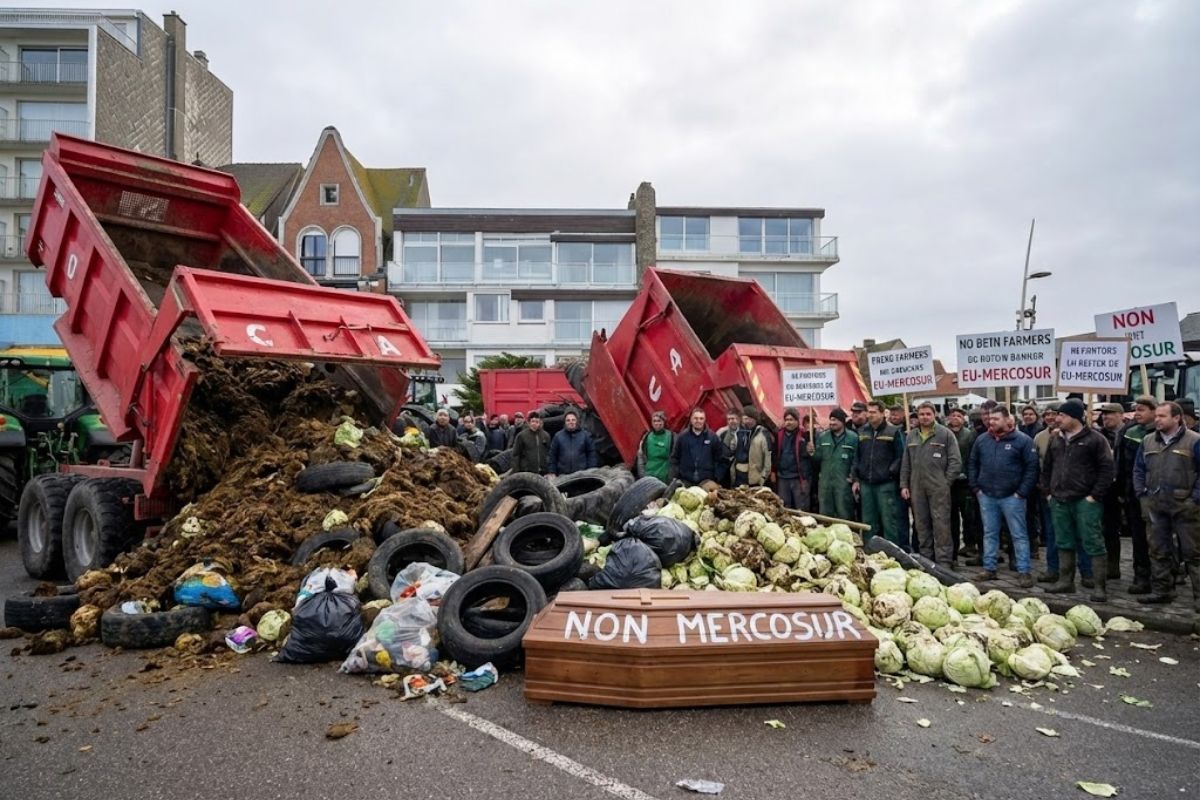
Brussels' concern deepened during the approval process for the Mercosur trade agreement, signed in January 2026 in Asunción but whose ratification is currently suspended after the European Parliament referred it to the EU Court of Justice. In that context, Commission services detected campaigns designed to discredit the European Union among rural populations. As early as 2024, President Ursula von der Leyen tasked Agriculture Commissioner Christophe Hansen with combating “the selective spread of disinformation in rural areas” as a priority for this legislative term.
Ramón Salaverría, professor of journalism at the University of Navarra and coordinator of Iberifier, identified two main currents in Western countries. The first is linked to the climate crisis: denialist narratives have evolved into a broader questioning of the measures proposed by international organizations to curb climate change. The second, less frequent, links immigration to rural areas. Salaverría cited the case of the Spanish town of Torre Pacheco, where hate speech against migrants flooded social media last summer and led to violent incidents, fueled by the notion that the arrival of foreigners “disrupts the peace and harmony of these places.”
In the agri-food sphere, the expert identified three types of actors behind disinformation: major powers with geostrategic interests, political organizations or activists “from the right and the far left” in a polarized environment, and what he called “pure fraud,” linked to corporate interests seeking to discredit the products of competing countries.
Election periods are especially critical. Iberifier pointed to wildfires during Portugal's legislative elections and flooding in Spain's Valencia province in 2024 as examples of how natural disasters, given their emotional intensity, become fertile ground for disinformation.
Spain's Rural Development Network (REDR) confirmed that Brussels has requested its collaboration in fighting hoaxes. Its director, María José Murciano, said the Commission is seeking territorial partners to counter the campaigns. Salaverría, for his part, warned that considering rural inhabitants more vulnerable requires a “careful and non-presumptuous” analysis, though he acknowledged that rural areas are underserved when it comes to information backed by scientific evidence.


Top Comments
Disclaimer & comment rulesCommenting for this story is now closed.
If you have a Facebook account, become a fan and comment on our Facebook Page!