MercoPress. South Atlantic News Agency


Brazil coffee exports fall 21% in Q1 despite record crop forecast
 March figures continued the downward trend: shipments declined 8% year-on-year to three million bags and revenues dropped 15.1%, to US$1.125 billion
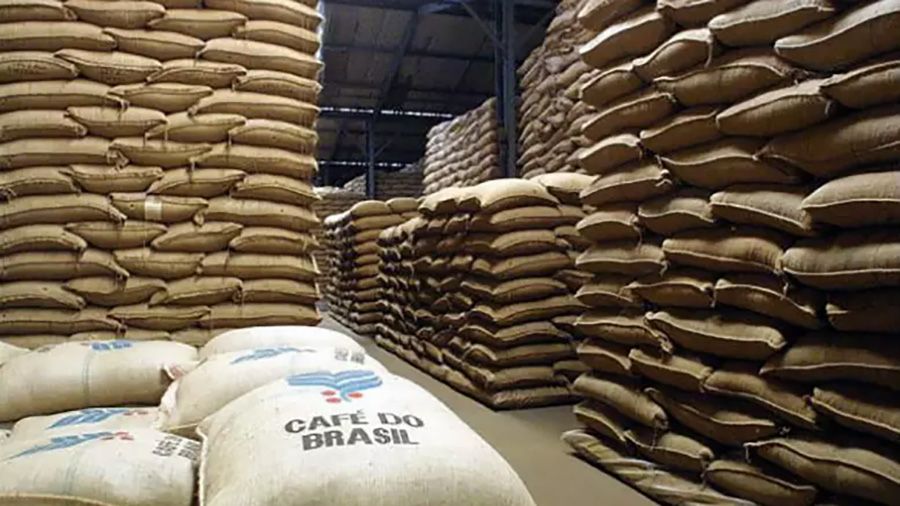
 Brazil, the world's largest coffee producer and exporter, shipped 8.4 million 60-kilogram bags between January and March 2026, a volume 21.2% below the same period in 2025, the Brazilian Coffee Exporters Council (Cecafé) reported on Monday. Export revenues also fell 13.6%, to US$3.371 billion.
March figures continued the downward trend: shipments declined 8% year-on-year to three million bags and revenues dropped 15.1%, to US$1.125 billion. In January and February, the declines had been steeper, at 30.8% and 23.5% in volume respectively, according to Cecafé's previous monthly reports.
Cecafé president Márcio Ferreira attributed the contraction to the wait for new harvests, port logistics problems and the international environment. The expectation of a record 2026 crop — estimated by government agency Conab at 66.2 million bags, 17.1% above 2025 — discouraged international purchases by signaling a larger future supply. This was compounded by tight arabica availability between harvests, which has pushed the domestic market toward robusta and conilon substitutes.
The destination mix also shifted. Germany consolidated its position as the top buyer with 1.19 million bags (14.1% of total exports), displacing the United States to second place with 936,617 bags (11.1%). Italy, Belgium and Japan rounded out the top five destinations. The decline in US purchases is partly explained by the lingering impact of the 50% tariff the Trump administration imposed on Brazilian coffee in August 2025, retroactively lifted in November of that year. Arabica accounted for 79.3% of quarterly exports at 6.7 million bags, followed by soluble coffee at 11.4%.
Despite the drop in volume, the sector posted record revenues of US$15.586 billion in 2025, up 24.1% from 2024, driven by elevated international prices. Shipped volumes, however, had already retreated 20.8% to 40 million bags that year.
Cecafé expects conilon and robusta shipments to recover starting in May, and arabica in July, as the new harvest begins. The Brazilian government projects this year's crop will be the largest on record, aided by improved weather conditions and expanded cultivation area.


Top Comments
Disclaimer & comment rulesCommenting for this story is now closed.
If you have a Facebook account, become a fan and comment on our Facebook Page!