MercoPress. South Atlantic News Agency
Bolivia runoff consolidates fragmentation: ruling party keeps two regions, opposition governs the rest
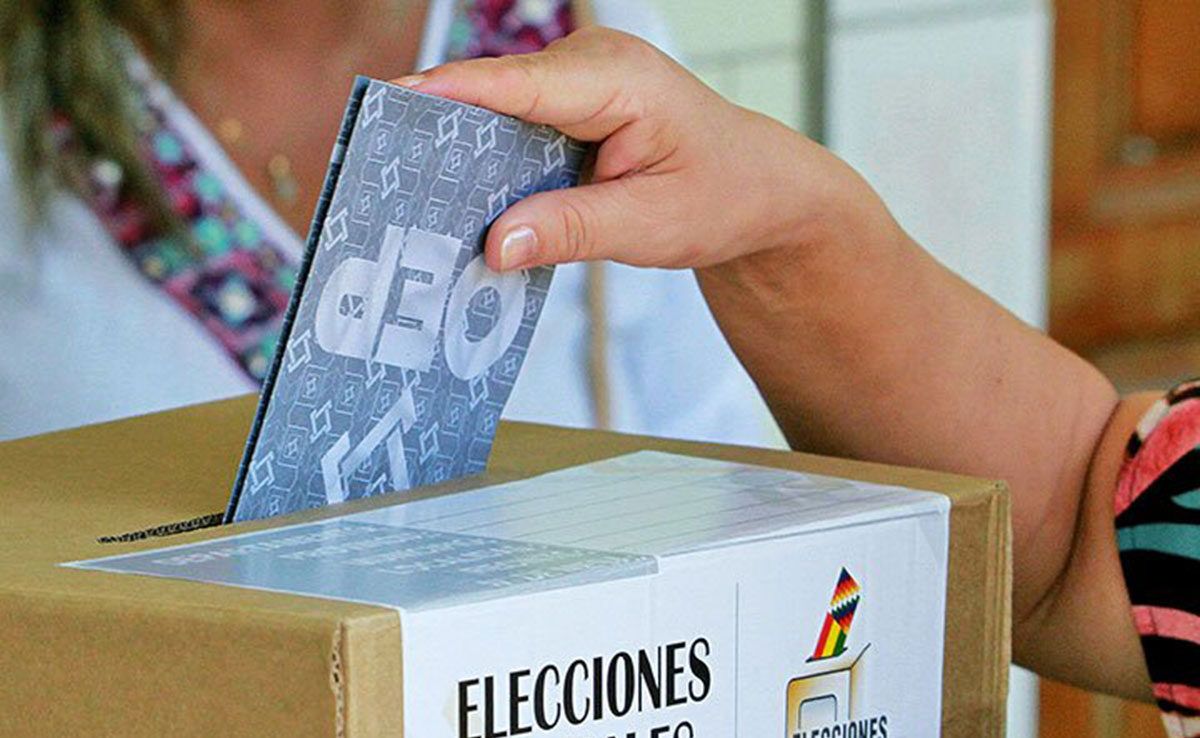
Voters in five Bolivian departments went to the polls on Sunday to complete the regional elections that began on March 22, in a runoff that consolidated a fragmented political map: President Rodrigo Paz's Patria coalition retained just two of nine governorships, while seven went to different opposition forces.
“Today Bolivia closes a political cycle and opens a new stage. A stage of renewal, new winds and different representations,” Paz wrote on social media. “The era of the single party is left behind. Today a Bolivia with new leaderships, new projects and a clear commitment begins: working together to move forward.”
Preliminary data from the electoral authority show the ruling party won in Beni, while different opposition groupings prevailed in Santa Cruz, Chuquisaca, Oruro and Tarija. The ruling coalition also governs in La Paz, where no runoff was held after the Nueva Generación Patriótica (NGP) party withdrew in late March, allowing the direct proclamation of ruling-party candidate Luis Revilla.
In the first round on March 22, governors were elected in Potosí, Cochabamba and Pando, all from the opposition. In Cochabamba, the Unidos por los Pueblos alliance — linked to former President Evo Morales — secured the governorship with Leonardo Loza. In Santa Cruz, incumbent governor Luis Fernando Camacho, backed by Paz, had been relegated to third place in the first round.
The outcome marks a sharp contrast with the dominance once held by the Movement Toward Socialism (MAS) in previous elections: in 2010 and 2015, the then-ruling party won six governorships; in 2021, it retained three. In these elections, MAS ran under the Unidos por los Pueblos alliance and secured only the Cochabamba governorship.
Bolivia also set a milestone: for the first time, two women were elected governors at the ballot box. In the first round, Gabriela de Paiva of the opposition Libre alliance won in the Amazonian region of Pando. On Sunday, María René Soruco of Camino Democrático para el Cambio (CDC) won the runoff in the southern department of Tarija.
The president, who has been in office for just over five months, pledged to work with the new regional authorities to “give the homeland a better future.” The government's expectation is that once the new departmental administrations are established, progress can be made on reforms such as the “50/50” campaign promise — a new distribution of state resources between the central government and the regions.
Election day proceeded without significant incidents and completed a cycle of local elections that included the selection of 335 mayors and other municipal representatives in March.


Top Comments
Disclaimer & comment rulesCommenting for this story is now closed.
If you have a Facebook account, become a fan and comment on our Facebook Page!