MercoPress. South Atlantic News Agency


Peru's electoral authority chief resigns as runoff still undecided ten days after first round
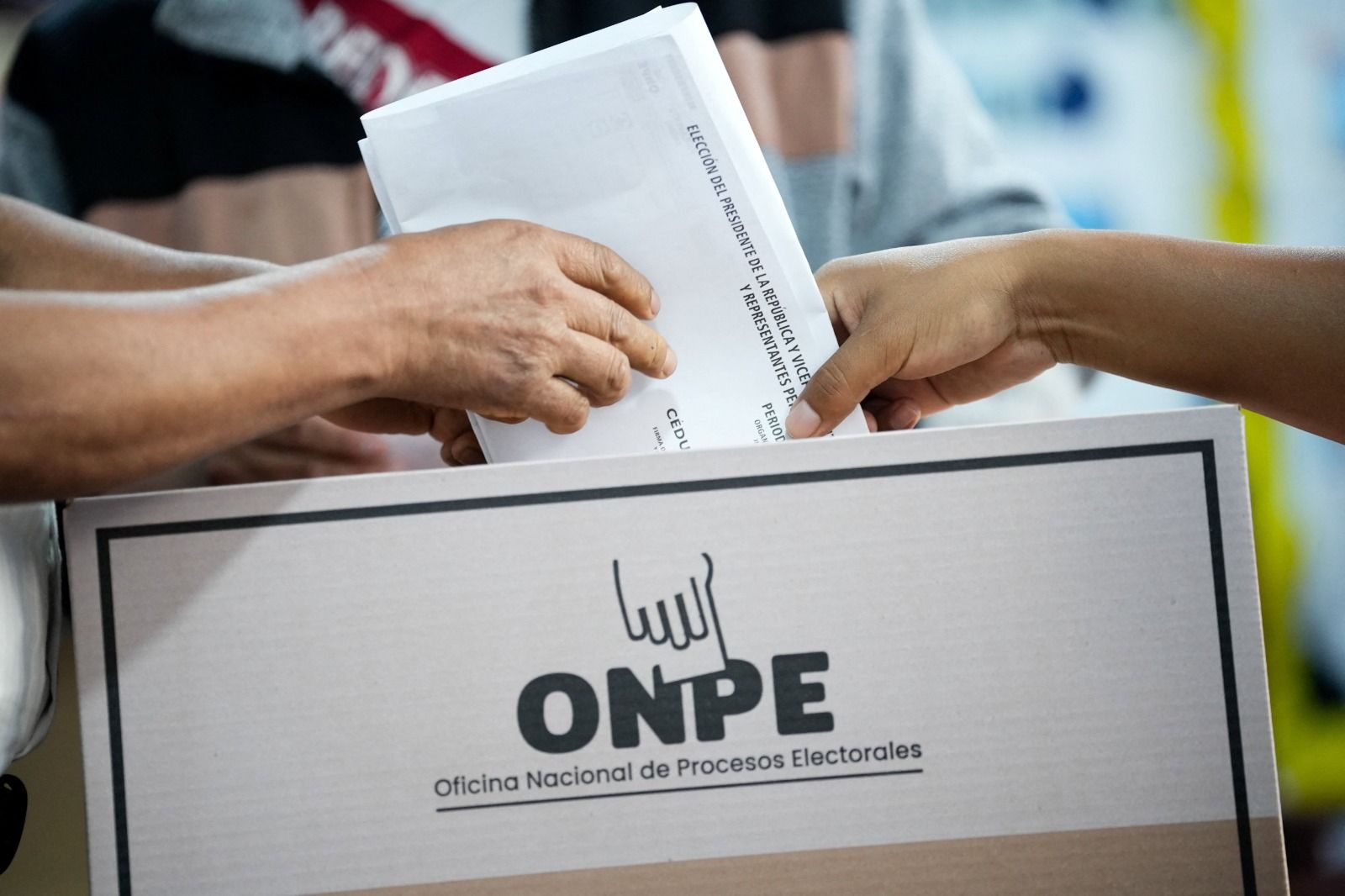 The failures that triggered the crisis included delays of up to five hours in the opening of polling stations in the capital and the postponement of voting to the following day at thirteen locations
 Piero Corvetto resigned as head of Peru's National Office of Electoral Processes (ONPE) on Tuesday, ten days after the April 12 first-round presidential vote, amid judicial investigations and an institutional credibility crisis deepened by the logistical failures recorded during the election. The National Justice Board (JNJ) accepted the resignation unanimously.
In his resignation letter, Corvetto acknowledged the “operational technical problems” that occurred during the distribution of electoral materials in Lima and stated that his departure was “necessary and cannot be postponed” in order for the runoff, scheduled for June 7, to take place in a climate of greater public trust. “As a public servant, acting in accordance with the law is not enough,” he wrote. “In this situation, I am not in a position to offer that to my country.”
The failures that triggered the crisis included delays of up to five hours in the opening of polling stations in the capital and the postponement of voting to the following day at thirteen locations, a situation that affected at least 52,000 voters. The misplacement of boxes containing electoral materials during their transfer to storage facilities, images of which were broadcast widely, compounded the damage and fuelled allegations of irregularities. Corvetto and three other ONPE officials face a preliminary investigation for alleged collusion against the state.
The political landscape is further complicated by ongoing uncertainty over who will face right-wing candidate Keiko Fujimori in the runoff. With 93.9% of ballots processed by the ONPE, Fujimori leads with 17.05% of the vote, followed by left-wing candidate Roberto Sánchez (Juntos por el Perú) with 12.01% and far-right candidate Rafael López Aliaga (Renovación Popular) with 11.92%. The gap between second and third place stands at roughly 15,000 votes out of more than 18 million ballots cast.
In parallel, the National Elections Jury (JNE) is conducting an unprecedented recount of disputed ballots, a mechanism being applied for the first time in Peruvian electoral history, with results expected by mid-May. López Aliaga has repeated fraud allegations without presenting evidence, a position the European Union Electoral Observation Mission dismissed in its preliminary statement, noting that the election day unfolded in general peacefully and with respect for fundamental freedoms.
Sánchez, meanwhile, resumed his campaign on Tuesday in southern Lima, describing his far-right rival as a “sore loser” and rejecting as legally and constitutionally unfounded López Aliaga's demand for supplementary elections at the polling stations that opened late in the capital.


Top Comments
Disclaimer & comment rulesCommenting for this story is now closed.
If you have a Facebook account, become a fan and comment on our Facebook Page!