MercoPress. South Atlantic News Agency


European airlines cut flights and raise fares as Iran conflict fuels jet fuel crisis
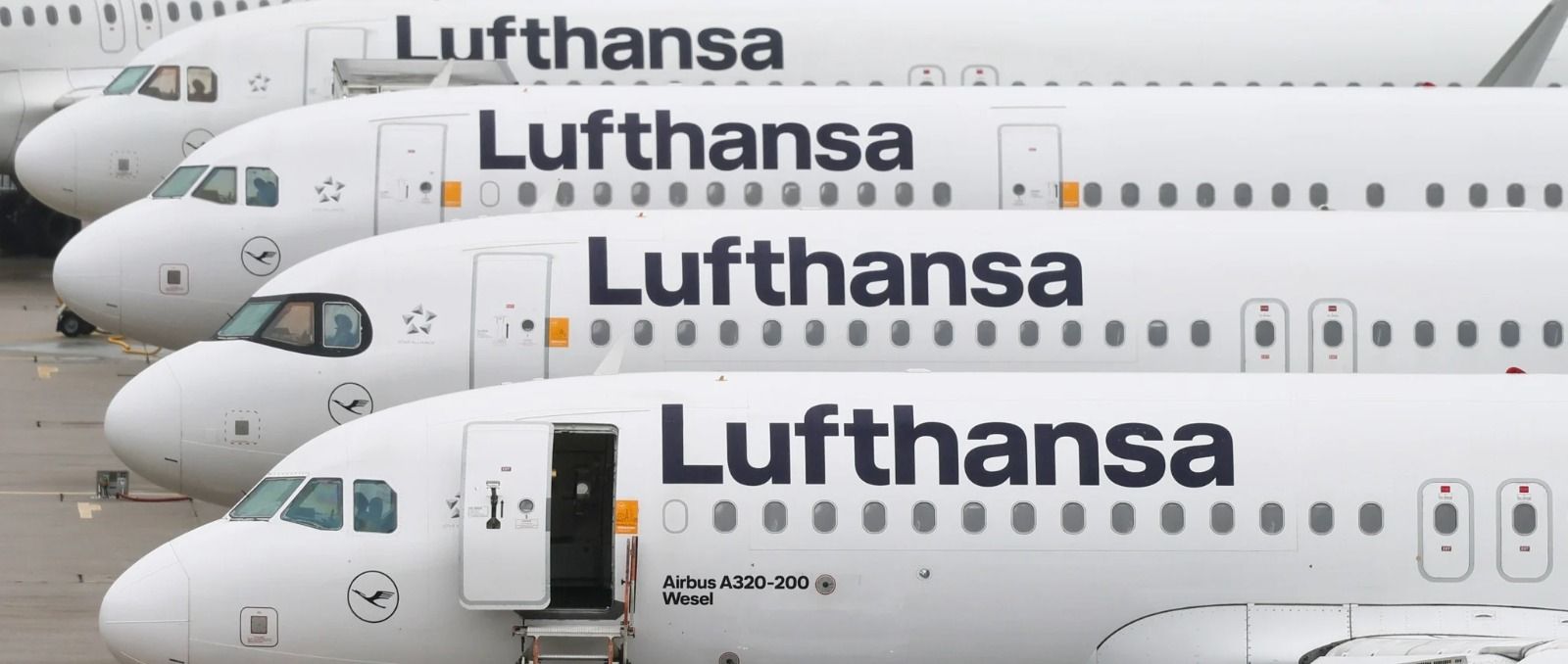 Lufthansa said the cuts would save approximately 40,000 metric tons of fuel. Reductions target routes operated from Frankfurt and Munich
 Lufthansa Group announced on Tuesday the cancellation of 20,000 short-haul flights from its summer schedule through October, the most significant measure taken so far by a European airline in response to soaring jet fuel prices driven by the conflict in Iran. The decision is part of a broader trend reshaping European aviation ahead of the peak travel season.
Jet fuel prices have doubled since hostilities began on February 28, following Iran's effective closure of the Strait of Hormuz in response to US and Israeli strikes, which have curtailed energy production and transportation across the Persian Gulf. The region supplies roughly 50% of Europe's jet fuel imports. By early April, prices had reached a record $1,840 per metric ton.
Lufthansa said the cuts would save approximately 40,000 metric tons of fuel. Reductions target routes operated from Frankfurt and Munich, while capacity is being expanded at Zurich, Vienna, and Brussels. Ten destinations — including Cork, Gdańsk, Ljubljana, Stuttgart, and Trondheim — will be absorbed by other airlines within the group: SWISS, Austrian Airlines, Brussels Airlines, and ITA Airways. The company said some cuts could become permanent and that a broader review of its European network would be published in late April or early May. The move follows last week's permanent closure of regional subsidiary Lufthansa CityLine and the grounding of 27 aircraft.
Other carriers have taken similar steps. KLM cut 80 return flights from Amsterdam to reduce costs; Norse Atlantic cancelled its Los Angeles routes; and Aer Lingus removed up to 500 flights from its summer schedule. Ryanair warned that its suppliers can only guarantee fuel through the end of May. EasyJet, meanwhile, spent an additional £25 million in March purchasing fuel at spot market prices, having previously hedged only 70% of its projected summer needs.
The European Union announced on Wednesday the creation of a fuel observatory to track production, imports, exports, and stock levels across the transport sector, aimed at identifying potential shortages. The International Energy Agency had warned last week that Europe could run out of jet fuel within weeks, though governments and airlines say they are not yet seeing supply disruptions.
For passengers, the impact is already tangible. According to research by consultancy Teneo, average economy ticket prices have risen 24% compared to last year, the steepest increase recorded in five years. Analysts have warned that fare hikes and cancellations could intensify if the conflict continues.


Top Comments
Disclaimer & comment rulesCommenting for this story is now closed.
If you have a Facebook account, become a fan and comment on our Facebook Page!