MercoPress. South Atlantic News Agency


Bolivian prosecutors confirm they will seek 20 years in prison for Evo Morales on trafficking charges
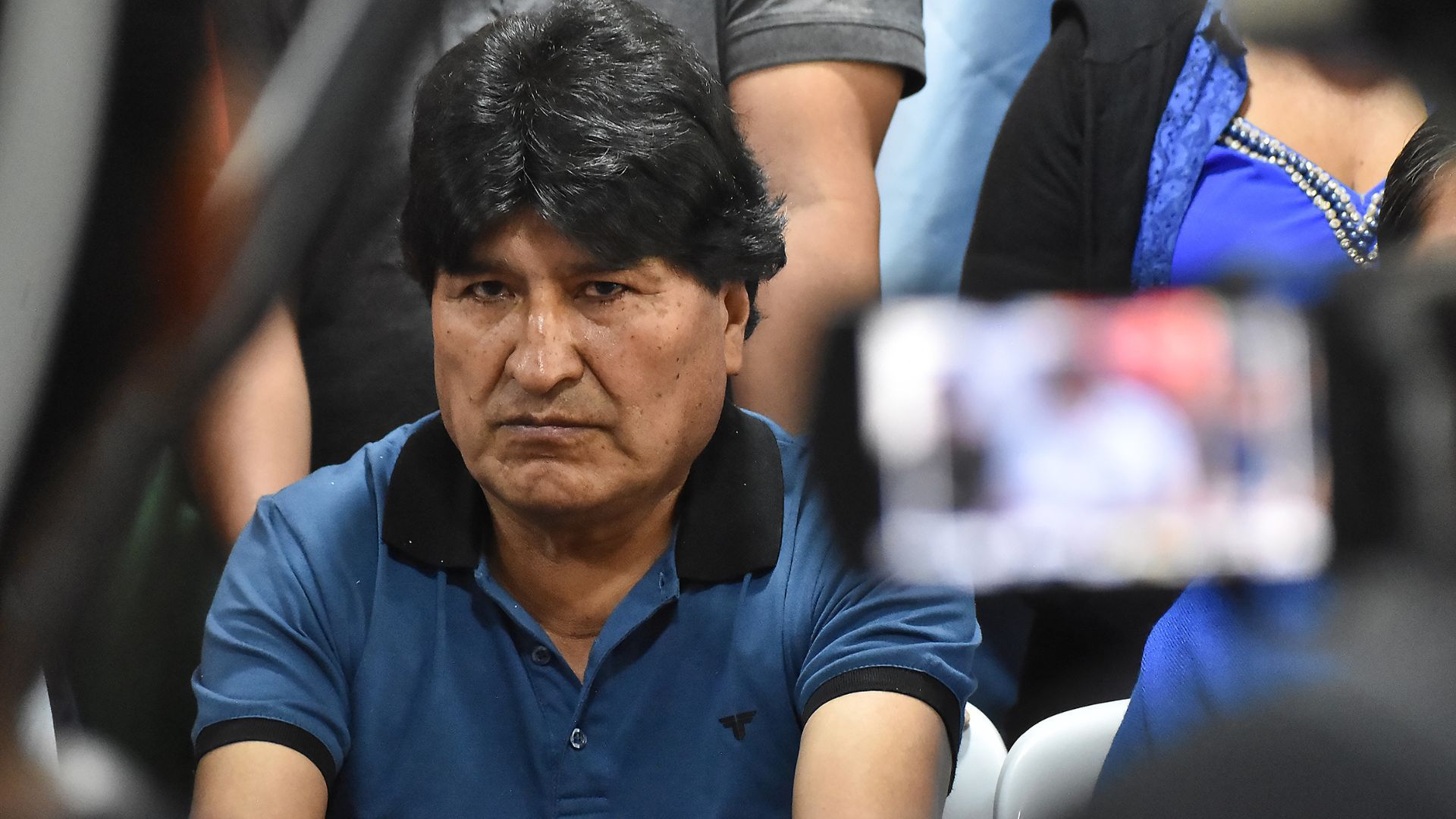 Morales's followers plan to join the demonstrations called by the Bolivian Workers' Central toward La Paz
 Bolivia's Public Prosecutor's Office on Tuesday confirmed it will maintain its request for a 20-year prison sentence against former president Evo Morales (2006-2019) for aggravated human trafficking, in proceedings that are moving forward despite the former leader's absence and a fresh arrest warrant issued against him after his failure to appear at Monday's hearing. Prosecutors argue that Morales had a relationship during his second term with a 15-year-old girl, with whom he allegedly fathered a daughter, and that the minor's parents are said to have consented to the relationship in exchange for political favors and economic improvements.
The former president has been in hiding for the past 18 months in the Trópico de Cochabamba, his historic stronghold, from where the first search-and-arrest order was issued against him. His refusal to appear before the First Criminal Sentencing Court of Tarija triggered the judicial reactivation of the case and confirmation of the sentence requested by the departmental prosecutor's office. “I am not seeking impunity; I am only demanding an impartial, legal process that complies with the Constitution and procedural law. No citizen can be condemned judicially or by the media,” the former president said on his social media.
The defense of the coca leaders' chief is centered on a statement from the alleged victim claiming that the former president is not among the supposed traffickers, a memorial previously filed with the Court for Violence Against Women requesting that the case be annulled. Morales retains the backing of a radicalized core of supporters in the Chapare and of the current governor of Cochabamba, one of his most visible political allies following the internal rupture of the Movement Toward Socialism.
The new judicial chapter coincides with a period of intense political pressure on the government of President Rodrigo Paz, in office since November, whose opponents have blocked roads leading into La Paz to provoke food shortages and force his downfall despite his having taken office only six months ago. “Where does this come from? It comes from the Trópico [of Cochabamba], they are moving people with money. They are using these kinds of resources and practices to harm the country after the state in which they left it,” said Interior Minister Marco Antonio Oviedo, in a direct reference to the former president's circle.
Morales's followers plan to join the demonstrations called by the Bolivian Workers' Central toward La Paz, in a setting that combines the judicial dispute over the former head of state's past with the immediate political dispute over the governability of the Paz administration. The case file contains more than 170 pieces of evidence. The identity of the alleged victim, a minor at the time of the events under investigation, has been partially disseminated by Bolivian media and withheld by international outlets that apply protection standards for victims of sexual exploitation.


Top Comments
Disclaimer & comment rulesCommenting for this story is now closed.
If you have a Facebook account, become a fan and comment on our Facebook Page!