MercoPress. South Atlantic News Agency



Uruguay and Argentina seek to stop the green hydrogen plant repeating the pulp mill conflict
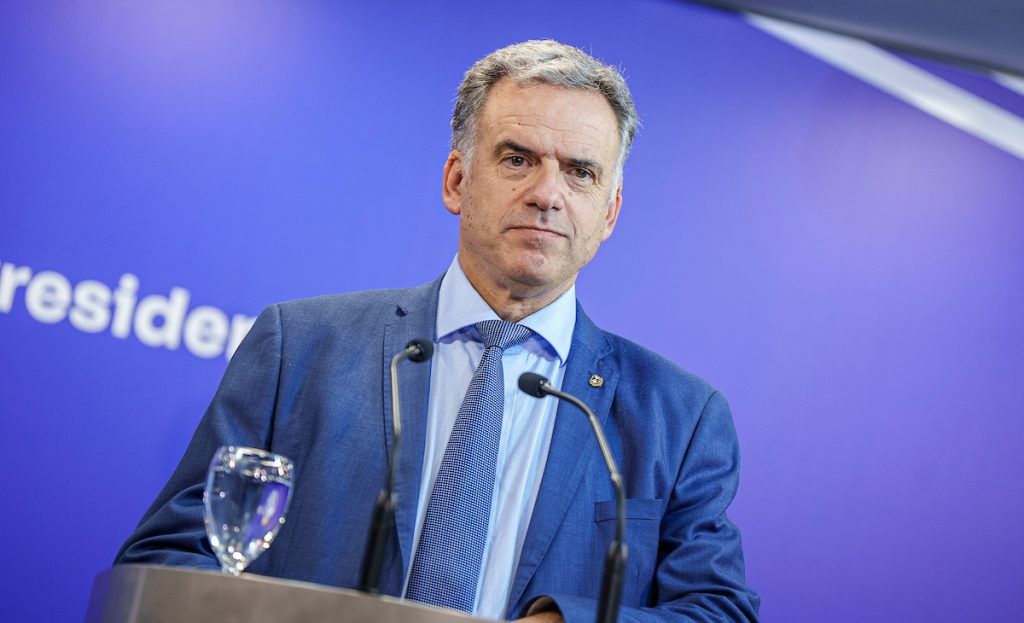 Orsi said on Friday in Paysandú that Argentina had withdrawn “the criminal complaint” filed against the project
 The governments of Uruguay and Argentina are trying to contain tensions surrounding the green hydrogen and synthetic fuels plant that HIF Global plans to build in the Uruguayan department of Paysandú, on the Uruguay river, after a statement by President Yamandú Orsi drew three consecutive denials from the Argentine side.
The project, valued at some 5.4 billion dollars and presented as the largest foreign investment in Uruguay's history, would produce e-fuels from green hydrogen generated with renewable energy and carbon dioxide sourced from biomass chains. It envisages around 3,000 direct jobs and a first phase of about 1 billion dollars.
The original location, some three kilometres from the Entre Ríos city of Colón and facing its shoreline, drew objections in Argentina, led by Entre Ríos governor Rogelio Frigerio, over the potential visual impact on tourism and pollution of the waterway. After bilateral negotiations that included two meetings at Uruguay's foreign ministry, in November and April, the parties agreed to relocate the plant to a site belonging to the state oil company Ancap.
Orsi said on Friday in Paysandú that Argentina had withdrawn “the criminal complaint” filed against the project, describing it as good diplomatic news. Argentine federal prosecutor Josefina Minatta replied that she had not withdrawn hers and would maintain it while Uruguay fails to answer her requests for information on possible contamination. Deputy Guillermo Michel said his preventive civil action also remains under way. Uruguay's presidency secretary, Alejandro Sánchez, attributed the episode to a mix-up and said what had been dropped was a submission by Colón's deputy mayor to the support committee of the Escazú Agreement, the regional treaty on access to environmental information. The Colón municipality then countered that it had never filed any complaint and had only requested access to the Uruguayan case file, information it obtained before withdrawing from further consultation on August 25.
Sánchez argued that a bilateral treaty governs use of the Uruguay river, but that decisions on national territory are sovereign: “There is no Argentine judge who can impose sanctions on Uruguay or set the rules of the game for it.”
Both governments are seeking to avoid a repeat of the conflict over the Fray Bentos pulp mill, which between 2005 and 2010 led to prolonged blockades of the international bridges by Argentine residents and to a case brought by Argentina against Uruguay before the International Court of Justice.
The commercial agreement remains open. Still to be settled are ownership of the infrastructure, the division of investment and the price of the electricity to be supplied by the state utility UTE.


Top Comments
Disclaimer & comment rulesCommenting for this story is now closed.
If you have a Facebook account, become a fan and comment on our Facebook Page!