MercoPress. South Atlantic News Agency


Brent climbs back above US$100 to its highest level since late July
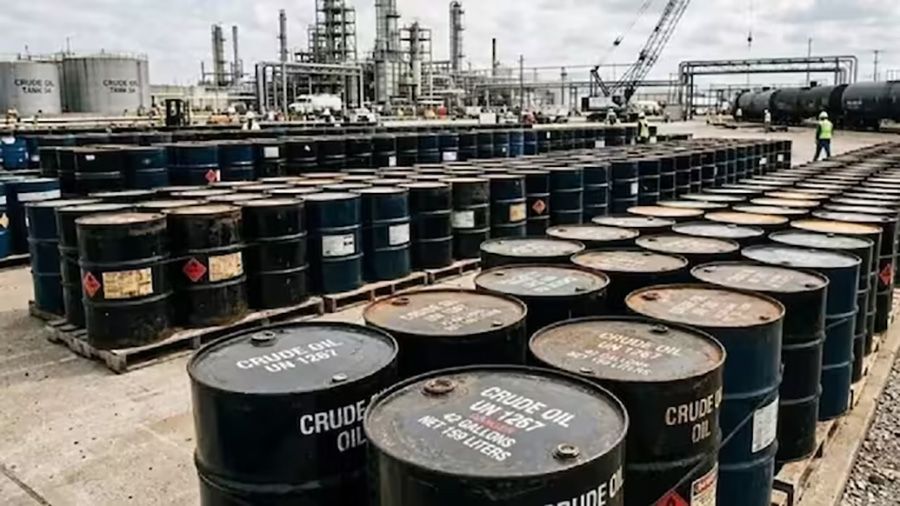 The market is also operating on thin margins
 Brent crude for November delivery rose above US$100 a barrel on Wednesday for the first time since late July, in a session shaped by escalating attacks between the United States and Iran and by fears of further supply disruptions in the Middle East.
At 07:29 GMT, the European benchmark was trading at US$100.19 a barrel on the London futures market, up 2.20%. It was the fourth consecutive session of gains.
Iran's Revolutionary Guard said it had attacked two US warships overnight, along with Washington's bases in Jordan and around ten vessels attempting to cross the Strait of Hormuz, in retaliation for earlier strikes on Iranian tankers. US Central Command, for its part, said it had destroyed five vessels it links to the Revolutionary Guard Corps, in response to attacks on one of its warships. Neither account has been independently verified; other coverage described those five vessels as oil tankers.
The rally is not driven solely by the Washington-Tehran exchange. Earlier this week, Houthi militias struck energy facilities in Saudi Arabia, including the Jazan area, wounding more than 70 people and halting operations at some sites, according to the Saudi energy ministry. Pulling the other way, Iran has said it is close to an agreement with Oman to manage vessel transit through Hormuz, a de-escalation track that eased prices last week.
Current levels remain below the highs reached earlier this year during the sharpest phase of the conflict. In March, Brent passed US$102, and weeks later futures topped US$109, with dated Brent above US$140, its highest since 2008.
The market is also operating on thin margins. The US strategic petroleum reserve fell below 290 million barrels, its lowest since 1982, after major economies drew on stockpiles and following a release coordinated by the International Energy Agency. Goldman Sachs this week raised its December 2026 forecasts by five dollars, to US$85 for Brent and US$80 for WTI, and warned that the barrel could exceed US$120 in 2027 if Gulf output remains four million barrels per day below prewar levels, a scenario the bank does not treat as its base case.
US President Donald Trump said on Monday that crude prices would fall sharply.
Before the conflict, around 20% of the world's oil passed through the Strait of Hormuz.


Top Comments
Disclaimer & comment rulesNo comments for this story
Please log in or register (it’s free!) to comment. Login with Facebook