MercoPress. South Atlantic News Agency
Brazil
-
Tuesday, October 6th 2020 - 08:19 UTC
China's Didi and WhatsApp team up in Brazil to compete with Uber

Brazilian ride-hailing service 99, controlled by China's Didi Chuxing Technology Co Ltd, has partnered with WhatsApp to accept orders on the chat platform owned by Facebook in a move that would allow users to summon cars without using another app.
-
Monday, October 5th 2020 - 09:39 UTC
Brazilian business sector confidence almost at pre pandemic levels

Brazilian business-sector confidence in the economy rose 3 points in September to pre-pandemic levels, according to a report released by na outstanding foundation..
-
Saturday, October 3rd 2020 - 08:54 UTC
Bolsonaro nominates liberal judge to the Supreme Court triggering reaction from evangelical supporters

Brazilian President Jair Bolsonaro on Friday nominated a judge with a record of flexible rulings to the country’s Supreme Court, frustrating evangelical members of his conservative base who had been promised one of their own for the opening.
-
Friday, October 2nd 2020 - 09:01 UTC
China suspends beef imports from a Brazilian meatpacker Minerva plant

China said it would temporarily suspend imports from a beef plant owned by Brazilian meatpacker Minerva SA for a week, in the latest suspension amid concerns over coronavirus contamination in Brazilian meat plants.
-
Thursday, October 1st 2020 - 09:25 UTC
Bolsonaro blasts Biden for “disastrous and unnecessary” comments on the Amazon rainforest
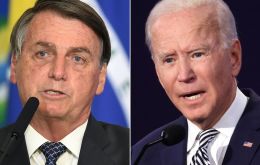
Brazilian President Jair Bolsonaro lashed out Wednesday at Joe Biden for the US Democratic presidential candidate's “disastrous and unnecessary” comments on the destruction of the Amazon rainforest in his first debate with Donald Trump.
-
Thursday, October 1st 2020 - 09:01 UTC
Bolsonaro government announces new minimum income program, to replace Lula's Bolsa Familia

Brazil's government detailed how it would pay for a new minimum income program called Renda Cidada, with President Jair Bolsonaro and Economy Minister Paulo Guedes still pledging to honor the country's spending cap and fiscal rules.
-
Thursday, October 1st 2020 - 09:01 UTC
Brazil's IPOs on the rocks: concern with fiscal discipline, US election and second Covid-19 wave

What was shaping up as Brazil’s best year for initial public offerings in more than a decade is now on the rocks, as many companies shelve their plans amid concerns on the country’s fiscal discipline and a surfeit of new equity supply.
-
Wednesday, September 30th 2020 - 09:46 UTC
Brazil post a primary budget deficit of US$ 17bn in August; 9% of GDP in eight months

Brazil's government posted a primary budget deficit of 96.1 billion reais (US$ 17 billion) in August, the Treasury said on Monday, as the coronavirus crisis continued to necessitate huge emergency spending.
-
Wednesday, September 30th 2020 - 09:40 UTC
Bolsonaro hits back at accusations his government is breaking the spending cap with accounting gimmicks

Brazil’s President Jair Bolsonaro hit back on Tuesday at accusations his government is using accounting gimmicks to fund a new minimum income program without breaking its spending cap, its most important fiscal rule.
-
Wednesday, September 30th 2020 - 09:12 UTC
Brazilian court blocks Bolsonaro attempt to repeal regulations protecting mangroves and coastal ecosystems

Brazilian court blocked President Jair Bolsonaro's government on Tuesday from repealing regulations protecting mangroves and other fragile coastal ecosystems, after an outcry from environmentalists.