MercoPress. South Atlantic News Agency
Economy
-
Wednesday, November 26th 2008 - 20:00 UTC
Russia reopens meat market to Argentina, closes Australia
Russia has re-opened its market for meat products from an Argentine and a Paraguayan company and banned such imports from five Australian companies, the veterinary watchdog Rosselkhoznadzor said in a statement.
-
Wednesday, November 26th 2008 - 20:00 UTC
Argentina admits global crisis, unveils stimulus plan
Argentina announced on Tuesday a package of measures to soften the impact of the global crisis by boosting investments and protecting jobs. The plan includes tax breaks to encourage companies to retain workers and incentives for savers and companies to bring back funds deposited overseas.
-
Wednesday, November 26th 2008 - 20:00 UTC
OECD ratifies pledge to aid, open trade and investment markets

OECD countries have reaffirmed their commitments on aid to developing countries and undertaken to abstain from trade protectionism, as part of a concerted drive to shore up the world economy and combat recession.
-
Wednesday, November 26th 2008 - 20:00 UTC
Argentine October trade surplus healthy but ceases to grow

Argentina's trade surplus was 1.13 billion dollars in October, unchanged from a year earlier, the government announced this week. Earlier in the month the government had anticipated that the trade surplus totalled 11.37 billion US dollars in the January-October period.
-
Wednesday, November 26th 2008 - 20:00 UTC
Argentina insists in can meet 2009 debt obligations

Argentina can meet its debt obligations despite the global financial crisis and a slowing economy, said Economy Minister Carlos Fernández. “The state has the necessary resources to meet its 2009 debt obligations, even taking into account the difficult conditions in the international financial markets,” he said.
-
Tuesday, November 25th 2008 - 20:00 UTC
Markets world-wide soar on Citicorp rescue plan effect

The Citicorp rescue effect which had markets soaring in Europe and United States also impacted in Latinamerica. Brazil's Bovespa was up 9.8% on Monday recovering most last week's losses and the Mexican IPC rose 7%.
-
Tuesday, November 25th 2008 - 20:00 UTC
Fed to inject another 800 b. to unfreeze credit market
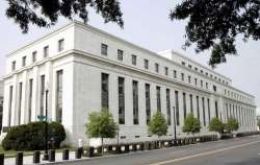
The US Federal Reserve is to inject another 800 billion US dollars into the US economy in a further effort to stabilise the financial system. US Treasury Secretary Henry Paulson said the stimulus package aimed to make more lending available to consumers.
-
Tuesday, November 25th 2008 - 20:00 UTC
Obama readies stimulus plan and budget reform
President-elect Barack Obama has outlined more details of his plans to stimulate the ailing US economy, at the same time as making cuts to the budget. He said budget reform was “imperative” and that the nation could not “sustain a system that bleeds billions of taxpayer dollars” on unneeded projects.
-
Tuesday, November 25th 2008 - 20:00 UTC
China GDP growth in 2009 “around 7.5%” says World Bank
The World Bank forecasts that China's GDP growth rate will be around 7.5% in 2009, down from 9.4% in 2008 and 11.9% in 2007.China's export growth is likely to be low in 2009 – around 3.5% (in real terms) compared to 11% in 2008.
-
Tuesday, November 25th 2008 - 20:00 UTC
OECD forecasts unemployment peaks in next two years

The number of unemployed in OECD countries is expected to increase by about 8 million people over the next two years as the most serious recession since the early 1980s takes its toll on economic activity, according to the latest OECD Economic Outlook released on Tuesday.