MercoPress. South Atlantic News Agency
Economy
-
Wednesday, December 2nd 2020 - 08:53 UTC
Argentine agro-export industry workers on strike freezing shipments
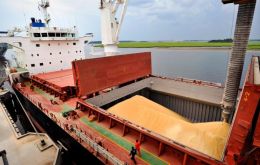
Two major unions in Argentina's agro-export industry, one of the world's top grains exporters, said that they would launch an indefinite strike starting Tuesday morning, ramping up a standoff that has been simmering for months.
-
Wednesday, December 2nd 2020 - 08:30 UTC
UK historic retailers go down, putting 25,000 jobs at risk

The UK retail industry suffered one of the harshest blows yet after two of the country's best-known retailers collapsed, putting 25,000 jobs at risk in less than 24 hours. Debenhams said on Tuesday morning it's preparing to close its doors for good after failing to find a buyer
-
Tuesday, December 1st 2020 - 09:30 UTC
Falklands' seafood industry concerned with Brexit outcome and likely imposition of EU tariffs

The Executive Secretary of the Falklands Islands Fishing Companies Association FIFCA, James Bates would like to issue the following press statement.
-
Tuesday, December 1st 2020 - 08:58 UTC
US sanctions Chinese company supporting Venezuela's Nicolas Maduro
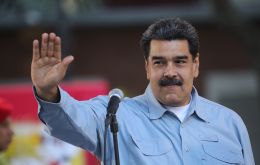
The United States imposed sanctions on Monday on Chinese firm China National Electronics Import & Export Corporation (CEIEC), accusing it of supporting Venezuelan president Nicolas Maduro efforts to undermine democracy.
-
Tuesday, December 1st 2020 - 08:22 UTC
Strong recovery in Asian factories during November spurred by China
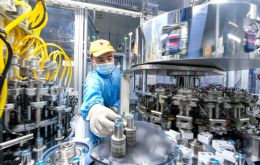
Asian factories continued to recover steadily in November thanks to a boom in economic powerhouse China, private surveys showed on Tuesday, offering hope the region was shaking off the drag from the COVID-19 crisis.
-
Monday, November 30th 2020 - 09:55 UTC
Argentina in no rush to sign an agreement with IMF, says minister Guzmán

Argentine Economy Minister Martin Guzman played down the chances of an early agreement with the International Monetary Fund to repay a US$ 44 billion loan, the Financial Times reported.
-
Monday, November 30th 2020 - 09:27 UTC
Britain and EU on the “last leg of negotiations” for a post Brexit trade deal
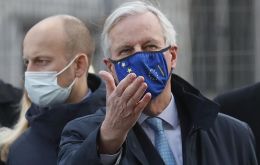
The UK is in the “last leg of negotiations” with the EU over a post-Brexit trade deal, the foreign secretary has said. Dominic Raab told the BBC it was likely the talks were entering the “last real major week”, and an agreement remained possible if the EU showed “pragmatism”.
-
Saturday, November 28th 2020 - 09:05 UTC
Record unemployment in Brazil, 14,4% and underemployment, 30,3%
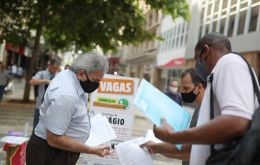
The number of registered Brazilians out of work and the national unemployment rate rose to the highest on record, official figures showed on Friday, as the easing of COVID-19 lockdown measures encouraged people to look for work again.
-
Saturday, November 28th 2020 - 09:04 UTC
British Overseas Territories and the Joint Ministerial Council

This week Penguin News gave up its editorial space to allow for the publication of a last-minute Op-ed from Wendy Morton MP, Minister responsible for the Falkland Islands in the Foreign, Commonwealth and Development Office, on the Joint Ministerial Council 2020
-
Saturday, November 28th 2020 - 08:52 UTC
Producer inflation in Brazil rose 3,4% in October and 19,1% in twelve months
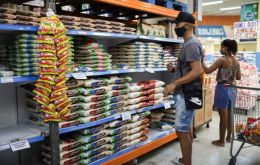
Producer price inflation in Brazil jumped to its highest on record in October, figures showed on Thursday, led by another month of rising food prices, which will likely stir the debate further on the wider outlook for inflation and interest rates.

