MercoPress. South Atlantic News Agency
Economy
-
Friday, September 27th 2019 - 09:58 UTC
Falklands' Chamber of Commerce Board elects Mike Summers as Chair
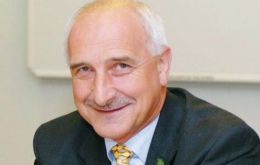
Ex-member of the Legislative Assembly Mike Summers was elected as Chair of the Falkland Islands Chamber of Commerce Board following the 2019 Annual General Meeting last week.
-
Friday, September 27th 2019 - 09:02 UTC
Delta Air Lines buys a 20% stake in LATAM Group for US$ 1.9bn

Delta Air Lines said on Thursday it would buy a 20% stake in LATAM Airlines Group for US$1.9 billion, creating a major new airline partnership and ending the Chilean carrier's ties with American Airlines.
-
Friday, September 27th 2019 - 08:53 UTC
Falklands' port facilities reopen following incident with trawler
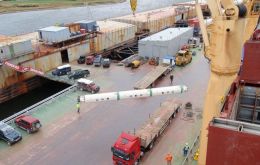
Falkland Islands main sea terminal, FIPASS, (Falklands Interim Port and Storage System) this week resumed normal activity after the incident in which the trawler Pesca Vaqueiro collided with the dock on September 5.
-
Friday, September 27th 2019 - 08:46 UTC
PM Johnson collects a seventh setback in Parliament, but insists with his Brexit strategy
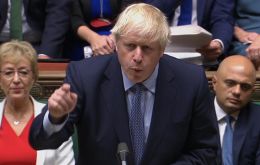
British Prime Minister Boris Johnson suffered yet another setback on Thursday after MPs rejected a request to briefly suspend business for his party's conference, highlighting the hostility he faces in parliament just weeks before Brexit. In his seventh successive defeat in parliament, MPs voted to reject his call for three days off next week to hold his Conservative party's annual conference in Manchester.
-
Friday, September 27th 2019 - 08:32 UTC
“Tourism and Jobs: a better future for all”
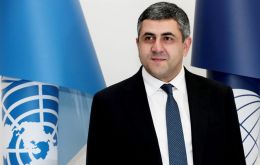
Official Message by UNWTO Secretary-General Zurab Pololikashvili. Tourism can help us build a better future for everyone. Around the world, the tourism sector is leading source of employment, supporting many millions of jobs and driving economies forward, both at the local and the national level.
-
Friday, September 27th 2019 - 07:50 UTC
International tourism generates US$ 5 billion every day to the global economy
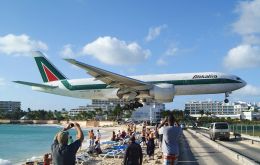
Some figures from the UNWTO International tourism highlights will help to underscore the significance of this industry for the global economy. International tourist arrivals grew 5% in 2018, to reach the 1.4 billion mark, two years ahead of the World Tourism Organization’s long-term forecasts, according to the Highlights, 2019 Edition.
-
Friday, September 27th 2019 - 07:42 UTC
World Tourism Day, September 27, this year is celebrated in New Delhi

The following is the message from Prahlad Singh Patel, Minister of State (IC) for Tourism & Culture, Government of India. India is pleased to host the official celebrations of United Nations World Tourism Organization (UNWTO) World Tourism Day in New Delhi.
-
Thursday, September 26th 2019 - 13:35 UTC
What is the economic fallout from the Saudi Arabia oil facility attack?
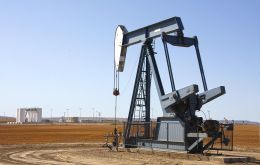
A violent attack on Saudi Arabia’s oil infrastructure was carried out earlier this month. Some 18 drones and seven cruise missiles were reportedly fired in the direction of several oil facilities in the region. The Abqaiq facility was the primary location of attack, while cruise missiles struck an oilfield in Khurais, just east of the city of Riyadh.
-
Thursday, September 26th 2019 - 09:56 UTC
Resumption of Argentina's financial program with IMF frozen... and “will have to wait”
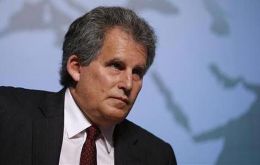
Argentina’s financial program with the International Monetary Fund (IMF) will be on hold for some time as the nation grapples with severe political and economic uncertainty, the Fund’s Acting Managing Director David Lipton said an interview.
-
Thursday, September 26th 2019 - 09:45 UTC
Lagarde defends IMF decision to support Argentina with a record credit
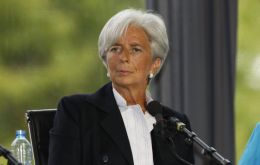
Christine Lagarde has defended the IMF decision to give Argentina a record credit line last year, even after the US$56-billion program fell short of stabilizing the nation’s troubled economy.

