MercoPress. South Atlantic News Agency
Economy
-
Monday, September 9th 2019 - 09:45 UTC
OPEC+ wants to further cut output to support oil price, but admits it no longer controls the market
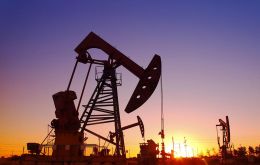
Top oil producers will consider fresh output cuts at a meeting this week, but analysts are doubtful they will succeed in bolstering crude prices dented by the US-China trade war.
-
Monday, September 9th 2019 - 09:25 UTC
London losing ground in shipping services, says PwC report for Maritime London pointing to Brexit and taxes

Britain's position as a top hub for maritime services is being eroded by competition, a loss of shipping finance business and the removal of tycoon-friendly tax breaks, a report said, deepening uncertainty for its financial sector as Brexit nears.
-
Monday, September 9th 2019 - 09:16 UTC
China beginning to feel the pinch of the trade war with US
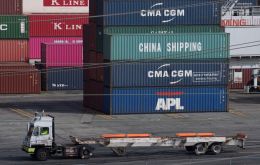
China's exports fell by 1.0 per cent on-year in August, official data showed Sunday amid a bruising trade war with the US that has roiled markets in the world's top two economies. The drop comes after a surprise 3.3% rebound in July despite the yearlong battle with Washington and weakening global demand.
-
Saturday, September 7th 2019 - 09:42 UTC
Argentine markets end the week appeased but storm clouds persist
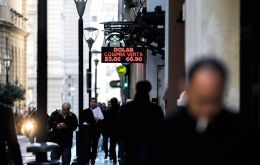
Argentine markets ended the week on a high after capital controls helped arrest a sharp plunge in the peso currency and local bond prices, but investors said the outlook remained shaky amid swirling political and financial uncertainty.
-
Saturday, September 7th 2019 - 09:25 UTC
Argentina and Brazil sign auto industry increased integration agreement
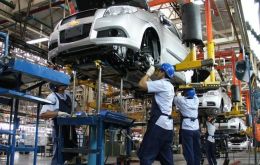
Brazil and Argentina renewed their auto trade agreement on Friday, allowing increased Brazilian exports to its neighbor through 2029 but postponing free trade in motor vehicles between the countries for the next decade.
-
Saturday, September 7th 2019 - 08:38 UTC
Brazilian minister prepared to sell all “dysfunctional” state owned companies
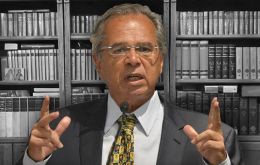
Brazil’s Economy Minister Paulo Guedes said he will propose selling all the country’s state-owned companies because they are “dysfunctional” and should be privatized to improve the government’s finances.
-
Friday, September 6th 2019 - 09:58 UTC
Alberto Fernandez pledges to honor debts as long as it doesn't harm Argentines
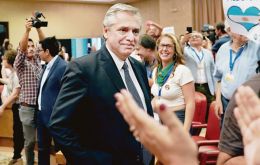
Argentina's likely next president, opposition front-runner Alberto Fernandez, laid out his populist credentials during a visit to Madrid on Thursday, saying local Argentine interests would trump those of creditors and energy investors.
-
Friday, September 6th 2019 - 09:55 UTC
Uruguay farmers gathered in Montevideo to protest against the government: clashes with the police

Horses, tractors and hundreds of rural producers from all over the country gathered in front of the Uruguay Parliament on Thursday to denounce the problems that the agricultural sector is experiencing and criticize the government for not listening to the proposals of the Un Solo Uruguay (One Uruguay) movement. The political, non-partisan movement brings together producers and actors of the rural environment and the interior of the country.
-
Friday, September 6th 2019 - 09:50 UTC
Fed estimates US/China trade war could cost US$ 850bn in lost global trade
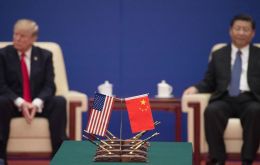
Trade policy uncertainty driven by the Trump administration's escalating dispute with China means hundreds of billions of dollars in lost U.S. output and as much as US$850 billion lost globally through early next year, research published this week by the Federal Reserve suggests.
-
Friday, September 6th 2019 - 08:56 UTC
During Ivanka Trump's visit to Argentina, US announces US$ 400 million investment

The United States has approved a US$400 million highway investment in Argentina as President Donald Trump's eldest daughter Ivanka Trump visits the country on a wider tour of the region.

