MercoPress. South Atlantic News Agency
International
-
Wednesday, June 10th 2026 - 13:52 UTC
US launches strikes against Iran in retaliation for the downing of an Apache helicopter
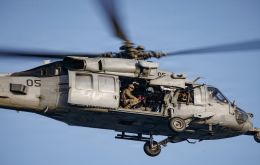
The United States launched a series of strikes against Iran on Tuesday in retaliation for the downing of a US Apache helicopter over the Strait of Hormuz, Central Command (Centcom) said. The action marks a sharp escalation that deepens doubts over the ceasefire in place since April 8 and over the peace negotiations that President Donald Trump says are within reach.
-
Wednesday, June 10th 2026 - 10:37 UTC
Is It Possible for Gold's Value to Rise By 24% in 2026?

Even though any kind of forecast should be treated with some degree of caution, analysts and investors are optimistic about the price of gold. Major financial institutions have increased their price targets, citing global demand.
-
Tuesday, June 9th 2026 - 10:54 UTC
The Canadian Online Gaming Industry: Economic Impact and Regulation

The Canadian online gaming industry generates billions of dollars every year, supports thousands of jobs, and operates under a regulatory system that varies from province to province. Most people have no idea. Here is what the economic picture actually looks like, and how the rules really work.
-
Tuesday, June 9th 2026 - 00:53 UTC
What Is Dressly? User Reviews, Features, and 3 Problems It Solves

A great style should be effortless, like you wake up one morning, open the closet, and there is a perfect combination of outfits awaiting you inside. But alas, for most people, choosing a proper outfit requires quite an effort, ranging from figuring out why the size of your dress doesn't match the one at the fitting room to finding out that you will never wear any of the clothing items you've purchased.
-
Monday, June 8th 2026 - 23:22 UTC
Falklands: how important it is for UK electorate to have the Islands remaining British
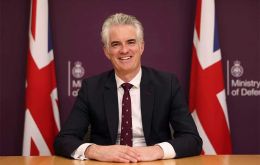
This is a special week for the Falkland Islands and its people, Sunday is 14th June, the 44th anniversary of the Liberation of the Islands from the invading Argentine troops, which on that day definitively signed their surrender to the British Task Force sent to the South Atlantic to liberate the forcibly submitted Falklands people after 74 days.
-
Monday, June 8th 2026 - 23:01 UTC
Trump interested in buying Chagos Islands with the strategic Diego Garcia air base
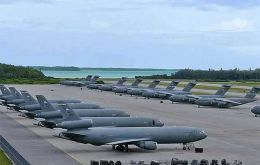
The US president Donald Trump is considering a plan to buy the Chagos Islands from Mauritius amid stalled plans from the UK to cede sovereignty of the territory, the Telegraph reported over the weekend.
-
Monday, June 8th 2026 - 21:13 UTC
The Single Number That Separates Online Roulette Variants
Online roulette looks like one game, but it is really a family of close cousins that pay the same odds while offering very different value. The gap between them comes down to how many zeros sit on the wheel.
-
Sunday, June 7th 2026 - 23:52 UTC
Argentina seeks a trade pact that would link it with the UK for the first time since 1982
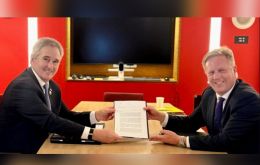
Argentina has applied to join the Comprehensive and Progressive Agreement for Trans-Pacific Partnership (CPTPP), a step that, if completed, would place it for the first time since the 1982 Falklands War in a trade agreement that also includes the United Kingdom. Foreign Minister Pablo Quirno announced the decision during a tour of Europe and handed the formal letter of intent to New Zealand, the treaty's depositary.
-
Sunday, June 7th 2026 - 21:24 UTC
Trump says he will urge Netanyahu not to retaliate after Iran's missile attack on Israel
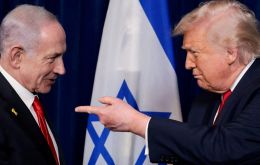
US President Donald Trump said he would call Israeli Prime Minister Benjamin Netanyahu to ask him not to respond to the missiles Iran fired at Israel on Sunday, in an effort to prevent a new escalation and salvage a deal with Tehran that he considers “very close.” It was Iran's first direct attack since the ceasefire reached on April 8.
-
Sunday, June 7th 2026 - 21:22 UTC
Pope Leo XIV expected to visit Peru in November, including his former diocese of Chiclayo
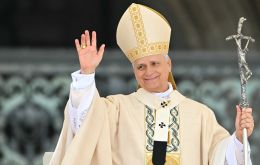
Pope Leo XIV is expected to visit Peru in November, returning to the country where he was bishop of Chiclayo, carried out much of his pastoral life and obtained citizenship. Interim President José María Balcázar said on Sunday that the trip is “programmed from November 10,” in brief remarks after voting in the presidential runoff.

