MercoPress. South Atlantic News Agency
Latin America
-
Saturday, June 22nd 2013 - 05:51 UTC
Pacific Alliance in a “marketing success” and no concern for Mercosur, says Brazil
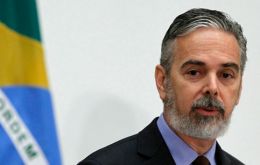
The Pacific Alliance is a ‘marketing success’ and does not represent a concern for Mercosur since it does not have the potential for physical integration as other blocks from the region, said Brazilian Foreign minister Antonio Patriota during a congressional hearing this week in Brasilia.
-
Saturday, June 22nd 2013 - 05:33 UTC
Mercosur ‘good offices’ delegation in Paraguay to talk with president-elect Cartes
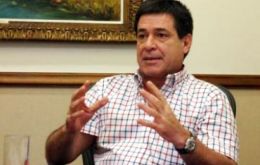
Paraguayan president elect Horacio Cartes held a meeting on Friday at his home with former Chilean president Ricardo Lagos and the Ibero-American secretary general Enrique Iglesias to talk “about Mercosur issues and Paraguay’s suspension from the block”, according to sources close to the meeting.
-
Thursday, June 20th 2013 - 05:48 UTC
Cristina Fernandez admits defeat to the Supreme Court but promises to fight on
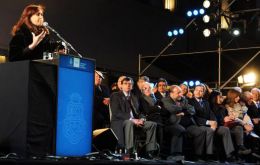
Argentine President Cristina Fernández targeted the Supreme Court on Thursday after its recent ruling against the Council of Magistrates reform and warned that “Argentines will be able to democratically vote for all political branches sooner rather than later.”
-
Thursday, June 20th 2013 - 01:56 UTC
Unasur top-marks for Paraguay presidential election; recommends lifting suspension
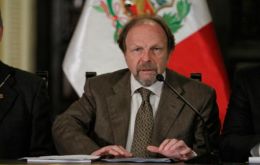
The Union of South American Nations, Unasur expects Paraguayan president-elect Horacio Cartes to attend the next summit of the block in August in Suriname, said Salomon Lerner head of the Unasur electoral observers’ mission, who previously delivered a very positive report on last April’s presidential election.
-
Wednesday, June 19th 2013 - 06:12 UTC
Blow for CFK: Supreme Court rules unconstitutional Counsel of Magistrates reform
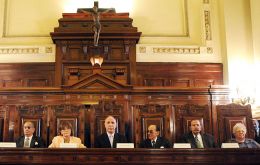
Argentina’s Supreme Court has ruled that the controversial Counsel of Magistrates reform, drafted by the Cristina Fernández (CFK) administration, is unconstitutional and suspended the election of the twelve members up for the popular vote in the next election. The result was six votes in favour and one against.
-
Wednesday, June 19th 2013 - 06:07 UTC
Rousseff admits protestors grievances, praises democracy and meets Lula da Silva

As the threat of massive protests in Brazil’s major cities continues, President Dilma Rousseff early Tuesday tried to defuse the situation by acknowledging the need for better public services, more responsive governance and at the same time praising Brazilians commitment to a strong democracy.
-
Wednesday, June 19th 2013 - 05:58 UTC
Bolivia’s Morales third presidential bid triggers strong controversy, involving OAS
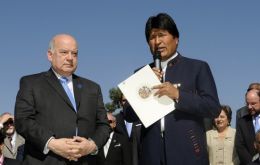
Organization of American States, OAS, Secretary General Jose Miguel Insulza apologized to Bolivian president Evo Morales for the disclosure of a letter in which the indigenous leader back in 2008 when the discussion of a new constitution pledged he would not run for a third consecutive mandate.
-
Tuesday, June 18th 2013 - 07:20 UTC
Thousands camp in the Peruvian Andes to protect a lake from major gold mining project
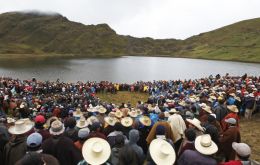
Thousands of opponents of a 5 billion dollars gold project of Newmont Mining circled a lake high in the Andes, in Cajamarca province vowing to stop the company from eventually draining it to make way for Peru's most expensive mine.
-
Tuesday, June 18th 2013 - 02:25 UTC
To silence rationing rumours, Venezuela announces 760.000 tons of imported food is on the way
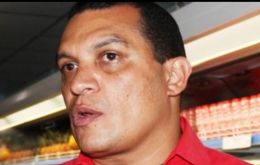
Venezuela is awaiting the arrival of 760.000 tons of food from different associated countries and which are destined to build a national reserve of food, according to Food Minister Felix Osorio. The announcement follows strong suggestions that rationing of certain food and toiletry items was in the pipeline.
-
Monday, June 17th 2013 - 21:30 UTC
Latinamerica and Mercosur, priorities of Brazil foreign policy ratifies Rousseff
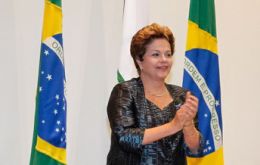
President Dilma Rousseff ratified Latinamerica and Mercosur as Brazil’s foreign policy priorities, but at the same time emphasizing the ‘excellent relations’ with the United States and the European Union.