MercoPress. South Atlantic News Agency
Latin America
-
Sunday, August 9th 2026 - 20:05 UTC
Machado congratulates De la Espriella and says Venezuela will soon follow suit
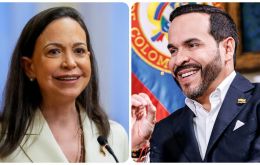
Venezuelan opposition leader and 2025 Nobel Peace Prize laureate María Corina Machado congratulated Colombia's new president, Abelardo de la Espriella, and said Venezuela would “very soon” undertake a process of institutional and democratic strengthening similar to the one she said is beginning in the neighboring country. The Colombian president replied on Sunday thanking her for the support.
-
Saturday, August 8th 2026 - 07:52 UTC
De la Espriella sworn in before Congress in Cali, delivers first speech to the military
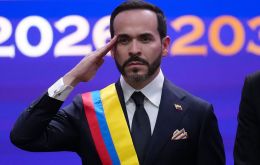
Abelardo de la Espriella took office as president of Colombia in Cali on Friday, the first time a Colombian leader has been sworn in outside Bogotá, and delivered his first speech at an Army battalion rather than before Congress, breaking with the country's institutional tradition.
-
Friday, August 7th 2026 - 21:17 UTC
Venezuelan government and opposition open US-backed talks
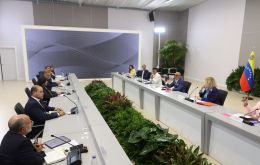
Delegations from the Venezuelan government and one sector of the opposition met on Thursday in Caracas to open negotiations backed by the United States, in the first face-to-face encounter since Nicolás Maduro's detention by US forces on January 3.
-
Friday, August 7th 2026 - 10:43 UTC
Milei promotes a summit of right-wing presidents outside existing regional bodies
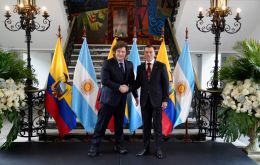
Argentine President Javier Milei is working to convene a summit of right-wing leaders from across the Americas outside existing multilateral organizations, though no date has been set. The initiative comes amid a series of trips that took him this week to Ecuador and Colombia.
-
Friday, August 7th 2026 - 10:40 UTC
Colombia: De la Espriella takes office in Cali without Petro present
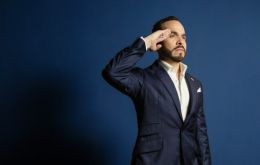
Abelardo de la Espriella takes office as president of Colombia on Friday at a ceremony held at the Santiago de Cali University, outside Bogotá and without the attendance of his predecessor, Gustavo Petro, in a handover marked by confrontation between the two men.
-
Thursday, August 6th 2026 - 09:37 UTC
Uruguay to open Pope Leo XIV's first South American tour
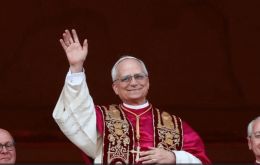
Uruguay will be the first stop on Pope Leo XIV's apostolic journey to South America between November 6 and 17, the director of the Holy See Press Office, Matteo Bruni, confirmed on Wednesday.
-
Tuesday, August 4th 2026 - 06:00 UTC
Toledo seeks release on health grounds, saying he does not want to die in prison
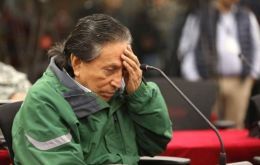
Former Peruvian president Alejandro Toledo, 81, has asked President Keiko Fujimori to expedite the presidential pardon he requested on humanitarian grounds, in an interview given on Sunday from Barbadillo prison to the program Sin Rodeos on Panamericana Televisión.
-
Monday, August 3rd 2026 - 18:48 UTC
Traditional right-wing technocrats and Christian voices will share Colombia's new cabinet
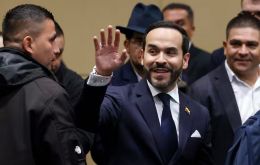
Colombia's president-elect, Abelardo de la Espriella, has completed all eighteen posts in his cabinet four days before taking office, with a team that will combine technical profiles drawn from the traditional right with figures close to Christian movements and to positions aligned with Trumpism.
-
Friday, July 31st 2026 - 22:43 UTC
Nicaragua advances reform that would extend the presidential term to seven renewable years
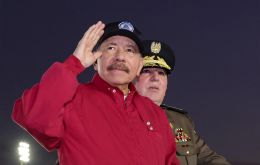
Nicaragua's National Assembly this week opened consultations on a constitutional reform bill that would extend the presidential term from six to seven years on a renewable basis and impose restrictions on the participation of the government's opponents. The text is due to be voted in early September.
-
Friday, July 31st 2026 - 22:05 UTC
Three confederations reject selling part of the World Cup to private funds; Conmebol asks for explanations

The South American Football Confederation asked FIFA on Friday for additional information and clarification on the FIFA Forward Enterprise project, without coming out for or against it, a day after the confederations of Europe and of North and Central America and the Caribbean rejected the plan.