MercoPress. South Atlantic News Agency
Tag: oil
-
Thursday, December 9th 2021 - 09:30 UTC
Brazil working to create a price stabilization fund for gasoline, diesel and LNG
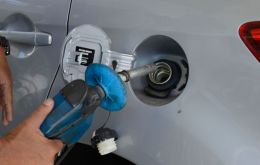
The Brazilian government in coordination with Congress are working on the creation of a price stabilization fund for fuels in an attempt to isolate the country from the volatility of international prices of oil and refined products. The fund is to be financed mainly with a tax on oil exports, helping with stability to domestic prices of gasoline, diesel and liquid gas.
-
Monday, December 6th 2021 - 09:00 UTC
OPEC+ Expects Large Oil Glut In Early 2022
By Tsvetana Paraskova for Oilprice.com – OPEC+ anticipates the global oil market to show a worse-than-previously expected surplus in the first quarter of 2022, according to an internal report seen by Reuters, which could give the group another reason to pause monthly supply additions.
-
Tuesday, November 30th 2021 - 09:00 UTC
OPEC+ meets Thursday to decide January cuts; pre-pandemic oil output level expected to be reached in May

By Tsvetana Paraskova for Oilprice.com – All Russian oil companies have confirmed they can raise production to the levels before the pandemic if the alliance chooses to proceed with monthly increases in output, Russian Deputy Prime Minister Alexander Novak said on Monday.
-
Monday, October 18th 2021 - 08:49 UTC
Puerto Rosales to invest in monobuoys to allow for more Argentine crude exports
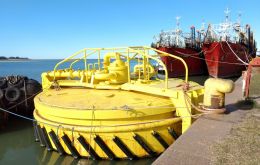
Puerto Rosales in the Argentine city of Punta Alta continues to consolidate itself as the main point of exit of crude oil from Vaca Muerta, having dispatched so far 900,000 tons in 2021.
-
Thursday, September 30th 2021 - 09:00 UTC
Can Argentina Finally Realize Its Oil Potential?
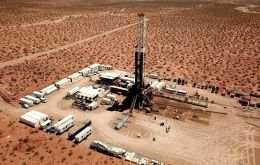
By Matthew Smith for Oilprice.com – For a decade, successive Argentine governments in Buenos Aires have enacted a range of policies aimed at reducing energy imports and exploiting the Latin American country’s vast hydrocarbon potential.
-
Thursday, March 18th 2021 - 08:53 UTC
YPF hikes fuel prices 7% to help finance an ambitious investment plan to boost crude production

YPF, the biggest oil producer in Argentina, said on March 16 that it hiked diesel and gasoline pump prices by 7%, helping to finance a US$2.7 billion investment plan to boost crude output.
-
Tuesday, December 1st 2020 - 08:53 UTC
Is Brazil’s Oil Boom in danger?
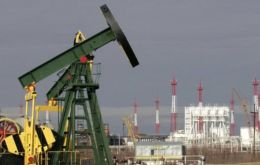
By Matthew Smith for Oilprice.com – Brazil’s massive offshore oil boom, notably in the deepwater offshore pre-salt oilfields, is continuing to grow despite weaker oil prices and the sharp impact of the COVID-19 pandemic. Strong demand from Asian refiners, especially those in China, for lighter sweeter crude oils saw demand for Brazilian crude oil soar since the end of 2019.
-
Tuesday, December 1st 2020 - 08:44 UTC
OPEC and allies postpone talks amid disagreements on how much oil to pump
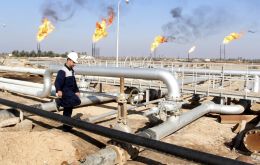
OPEC and allies led by Russia postponed talks on oil output policy for 2021 to Thursday, sources said on Monday as key players still disagreed on how much oil they should pump amid weak demand due to the coronavirus pandemic.
-
Wednesday, October 28th 2020 - 09:25 UTC
Brazil third largest supplier of crude oil to China during September; Russia leads
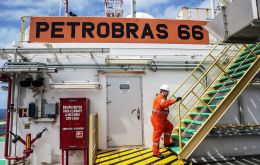
Data from the Chinese Customs Administration indicates that in September, Brazil advanced to the position of third-largest supplier of crude oil to the Asian country, as independent Chinese refiners obtain cheap and a relatively high-quality supply from the South American exporter.
-
Wednesday, October 7th 2020 - 09:45 UTC
Premier Oil absorbed by Chrysaor, becomes the largest independent oil and gas group on London Stock Exchange

Shares in Premier Oil, with interests in the Falkland Islands, soared more than 14% on Tuesday, after the oil explorer agreed with a reverse takeover that will create the largest London-listed independent oil-and-gas group, producing more than 250,000 barrels of oil a day.

