MercoPress. South Atlantic News Agency
Tag: wildfires
-
Sunday, August 2nd 2026 - 20:43 UTC
Two crew killed as firefighting helicopters collide in midair in Greece
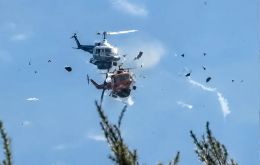
Two crew members were killed on Sunday when two helicopters battling a wildfire collided in midair in the Psatha area, on the boundary between Attica and Boeotia northwest of Athens, the Hellenic Fire Service said.
-
Wednesday, July 29th 2026 - 07:46 UTC
Wildfires in Spain and France hit the world's two largest wine-growing nations
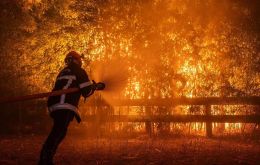
The wildfires affecting Spain and France since mid-July have reached an unprecedented scale in both countries, which together account for nearly a quarter of the world's vineyard area. Spain declared a national wildfire emergency for the first time, while French President Emmanuel Macron described the situation as the most severe recorded in his country since the Second World War.
-
Thursday, January 22nd 2026 - 21:58 UTC
Argentina’s Patagonia wildfires: flare-ups in Chubut spur evacuations as crews face “highly complex” blazes
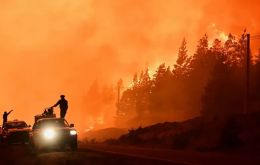
Wildfires in Argentina’s Patagonia continued to pressure communities in Chubut province, with active fronts and repeated flare-ups reported around Epuyén, El Hoyo and Puerto Patriada, as heat, strong winds and very low humidity complicated containment efforts. Local coverage described preventive self-evacuations and round-the-clock watch shifts by firefighters, specialist brigades and residents trying to shield homes, livestock and productive areas.
-
Wednesday, January 21st 2026 - 09:11 UTC
Chile wildfires: death toll rises to 20 as authorities report widespread destruction and arrest a suspect
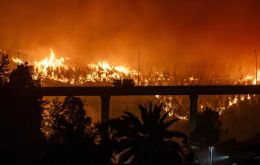
Wildfires burning across south-central Chile have pushed the confirmed death toll to 20, with authorities keeping red alerts, a state of catastrophe, and a night-time curfew in parts of the Biobío and Ñuble regions as crews continue to battle multiple active blazes.
-
Wednesday, January 21st 2026 - 08:06 UTC
Uruguay to send 40 firefighters to Chile as Biobío and Ñuble wildfires leave at least 20 dead
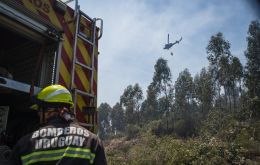
Uruguay will deploy a contingent of around 40 firefighters to Chile to help battle the wildfires ravaging the country’s south-central regions—particularly Biobío and Ñuble—where Chilean authorities have reported at least 20 deaths and thousands of people affected.
-
Monday, January 19th 2026 - 04:05 UTC
Chile wildfires kill at least 18; Boric orders curfew and declares state of catastrophe
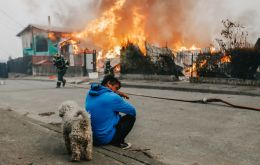
Wildfires sweeping through south-central Chile have killed at least 18 people—later updated by government reports to 19—and forced the evacuation of more than 50,000 residents in the Ñuble and Biobío regions amid extreme heat and strong winds.
-
Friday, January 16th 2026 - 18:54 UTC
Wildfires continue in Argentine Patagonia; ten provinces on alert
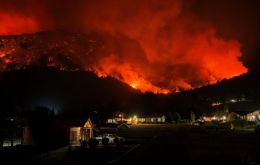
Ten Argentine provinces are under alert for wildfire risk, as several fire fronts in Chubut and wider Patagonia have already burned more than 20,000 hectares.
-
Thursday, October 2nd 2025 - 09:18 UTC
La Niña forecast to hit Uruguay's agriculture
Weather forecasters announced a high probability that the La Niña climate phenomenon will affect Uruguay during the 2025-2026 season, bringing significant challenges to the agricultural sector.
-
Monday, August 11th 2025 - 10:03 UTC
Falklands: Public Consultation on the Draft Islands Wildfire Strategy
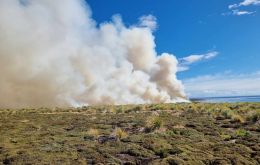
The Falkland Islands Government (FIG) would like to remind the public that views are still sought in the consultation on the Draft Falkland Islands Wildfire Strategy.
-
Wednesday, February 5th 2025 - 07:57 UTC
Argentine Patagonia wildfires man-caused
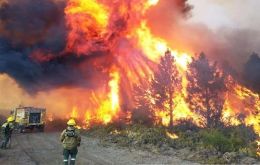
Argentine authorities determined that the fires currently ravaging through the Patagonian enclaves of El Bolsón (Río Negro) and Epuyén (Chubut) were arson. The announcements were made after the sites of the initial outbreaks were found and accelerants were detected. Governors Ignacio Torres (Chubut) and Alberto Weretilneck (Río Negro) pledged to investigate the matter and hold those responsible accountable.

