MercoPress. South Atlantic News Agency
Tourism
-
Friday, December 18th 2009 - 03:40 UTC
Air Italy takes over air bridge UK/Falklands for the next few weeks
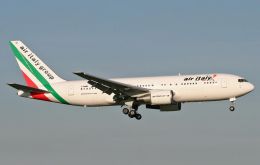
British military personnel were assured Thursday that they would not be stranded in the Falkland Islands despite the collapse of the only airline that flies direct to the Islands from the UK.
-
Thursday, December 17th 2009 - 13:42 UTC
Falklands/UK air bridge goes bust and all flights are cancelled
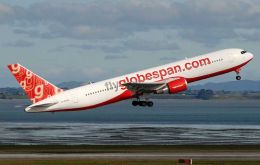
Scotland's biggest airline, Edinburgh-based Flyglobespan and also responsible for the UK Ministry of Defence air link with the Falkland Islands was placed Wednesday in administration with all scheduled flights cancelled.
-
Tuesday, December 15th 2009 - 07:57 UTC
Indigenous “medicinal plant” tourism a few miles from Punta Arenas
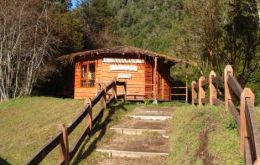
When most of us need digestive, analgesic, anti-inflammatory or antibiotic medicinal treatments, we walk down the street to the nearest pharmacy. When the indigenous Huilliche in the south of Chile need medicine, they stroll into the forest.
-
Thursday, December 10th 2009 - 12:08 UTC
World experts discuss in NZ safety rules for Antarctic tourism cruises
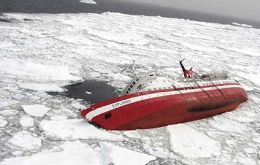
There are fears that a shipping tragedy in the Antarctic is a disaster waiting to happen if the tourism industry is not regulated. A major international meeting of Antarctic Treaty Experts is taking place in New Zealand to discuss the issues.
-
Wednesday, December 9th 2009 - 08:42 UTC
Cruise visitors in Uruguay this season close to 400.000
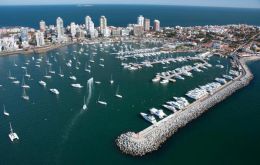
Uruguay’s Ministry of Tourism forecasts some 400.000 tourists and crew members will be visiting the country during this summer cruise season, which represents a slight increase over the previous year.
-
Friday, December 4th 2009 - 05:01 UTC
Promotion of Sustainable Tourism on Chile’s Easter Island
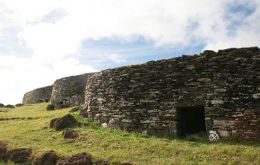
The US World Monuments Fund, together with Chile’s forestry agency CONAF, has designed a visitors’ centre on Easter Island to enhance sustainable tourism. The project, valued at more than 460.000 USD, will be built at the entrance to the ceremonial village of Orongo.
-
Wednesday, December 2nd 2009 - 05:36 UTC
Chile promotes domestic travel to help depressed tourism industry
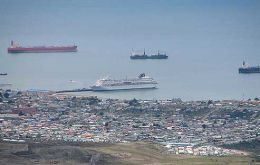
In an attempt to survive the economic crisis and the depreciating US dollar, Chile’s tourism industry has amplified national travel promotions targeting local and foreign vacationers.
-
Monday, November 23rd 2009 - 13:24 UTC
Russian cruise icebreaker is back in Ushuaia
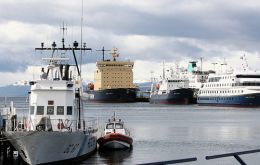
The Russian ice-breaker cruise ship carrying 105 passengers, mostly British tourists, and 88 crew members and which broke free of Antarctic ice last Friday arrived Sunday to Ushuaia, Argentine Tierra del Fuego, announced the ship's operator.
-
Wednesday, November 18th 2009 - 13:57 UTC
Russian cruise vessel breaks free of the ice and heads for Ushuaia
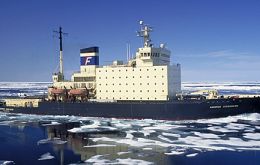
An expedition vessel with 184 passengers and crew onboard -- including 51 British guests and a BBC film crew-- is on the move again after being wedged in the ice of Antarctica's Weddell Sea since Friday.
-
Wednesday, November 18th 2009 - 13:53 UTC
Falklands’ cruise season with 33 different vessels and 215 calls
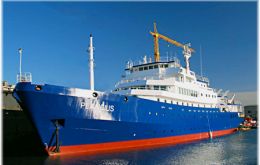
Thirty-three different cruise vessels are scheduled to visit a total of around 215 Falkland Islands destinations in the coming season.