MercoPress. South Atlantic News Agency
United States
-
Wednesday, February 24th 2010 - 02:32 UTC
Hillary Clinton at Uruguayan President Mujica’s inauguration
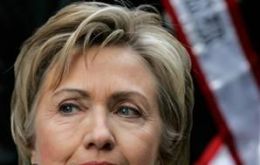
US Secretary of State Hillary Clinton will be visiting five Latinamerican countries next week beginning in Uruguay, representing President Barack Obama at the inauguration ceremony of president elect Jose Mujica on March first, according to Washington diplomatic sources.
-
Wednesday, February 24th 2010 - 02:22 UTC
US not interested in military outposts in Latinamerica, for the moment
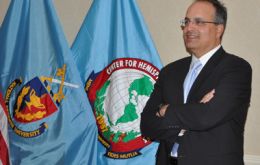
United States currently has no interest in having US troops stationed and with access to military bases belonging to other Latinamerican countries, such is the case with Colombia said a top Pentagon official during a visit to Nicaragua.
-
Monday, February 22nd 2010 - 23:51 UTC
Goldman Sachs defends 2001 swap-deal to mask debts of Greece
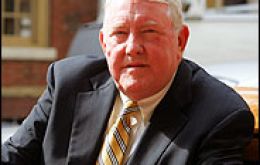
Goldman Sachs defended the 2001 debt-swap deal with Greece that may have allowed the country to mask the extent of its debt woes. Gerald Corrigan, chairman of Goldman Sachs Bank USA, the bank's holding company, said it was “consistent” with the regulations of the time.
-
Saturday, February 20th 2010 - 21:20 UTC
US Fed members insists borrowing costs will remain low
The US Federal Reserve poured cold water on speculation that a surprise hike to its emergency lending rate signalled a change in monetary policy, saying borrowing costs in the economy would remain low.
-
Saturday, February 20th 2010 - 15:11 UTC
General Haig, US mediator of Falklands War dies
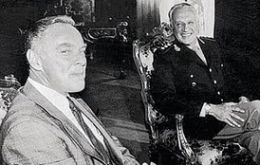
Alexander Haig, the decorated four- star general and assertive aide to U.S. presidents who declared himself “in control” at the White House after Ronald Reagan was shot, has died. He was 85.
-
Friday, February 19th 2010 - 21:00 UTC
Obama names bipartisan taskforce to tackle US budget deficit
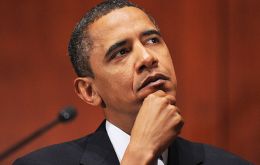
President Barack Obama has set up a taskforce to tackle the growing US budget deficit.
The body will report back by the end of the year on what steps need to be taken to get the deficit down to 3% of GDP. -
Friday, February 19th 2010 - 05:20 UTC
Federal Reserve tightens policy raises discount rate to commercial banks

The United State Federal Reserve tightened monetary policy Thursday for the first time in more than a year, raising by 0.25 percentage points the discount interest rate at which the US central bank lends directly to commercial banks.
-
Friday, February 19th 2010 - 03:08 UTC
US and Cuba resume immigration talks in Havana

The US government confirmed that one of its top diplomats for Latin America will participate this week in Havana in a new round of talks on immigration issues with Cuba.
-
Friday, February 12th 2010 - 04:03 UTC
Hopeful news for US employment: jobless benefits applications down
The number of US workers filing new applications for jobless benefits tumbled last week, a government report showed Thursday, reversing a recent spike that had raised concerns about renewed labour market weakness.
-
Thursday, February 11th 2010 - 03:16 UTC
Bernanke announces Fed ready to remove liquidity and prepare for rate hikes
The Federal Reserve could begin pulling back its unprecedented stimulus for the US economy by first removing some cash from the financial system and then raising interest rates, Fed Chairman Ben Bernanke said.