MercoPress. South Atlantic News Agency

Oil tops US$100 a barrel as Middle East war and Hormuz disruption rattle markets
 Tokyo also warned that strategic reserves can soften the shock in the short term but cannot replace a sustained reopening of Hormuz if the crisis drags on
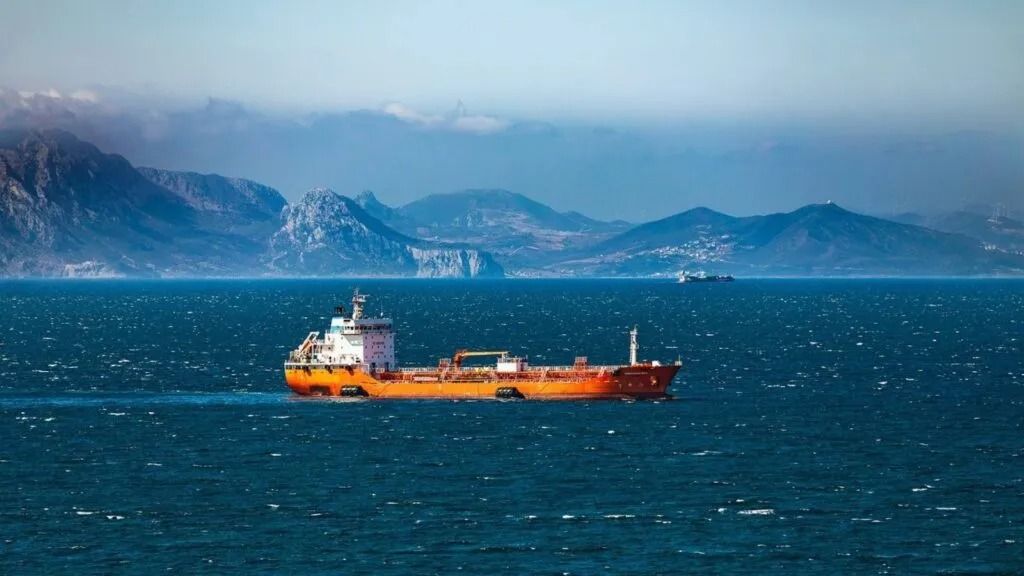
 Oil prices moved back above US$100 a barrel on Monday as the conflict involving the United States, Israel and Iran intensified and shipping disruption in the Strait of Hormuz hit one of the world’s most critical energy chokepoints. Brent crude rose to US$105.15 a barrel and U.S. West Texas Intermediate climbed to US$100.32 in early Asian trading, according to market data.
The move extends a sharp rally that has already pushed both benchmarks up by more than 40% so far in March, to their highest levels since 2022. Market pressure deepened as the war entered its third week, with exports under threat and the Strait of Hormuz — which normally carries about a fifth of global oil supply — facing severe disruption.
Tensions also rose after U.S. strikes on military targets on Iran’s Kharg Island, the country’s main oil export hub. Kharg handles about 90% of Iran’s oil exports. Shortly afterwards, Iranian drones struck a key oil terminal in Fujairah in the United Arab Emirates, although loading operations later resumed and it remained unclear whether they had fully returned to normal.
As supply conditions worsened, the International Energy Agency said more than 400 million barrels of emergency reserves would begin flowing into the market in the largest coordinated release in its history. Reuters said the updated total is nearly 412 million barrels, with immediate releases from Asia and Oceania and supplies from Europe and the Americas becoming available from the end of March.
Japan said it will begin releasing oil from its stockpiles on Monday and plans to make a record 80 million barrels available, equivalent to about 45 days of supply. Tokyo also warned that strategic reserves can soften the shock in the short term but cannot replace a sustained reopening of Hormuz if the crisis drags on.
At the same time, Washington is pushing for a naval coalition to help secure shipping through the area. Donald Trump called on other countries to help patrol the strait, although governments approached so far have responded cautiously. With regional exports under threat, emergency barrels starting to move and no clear sign of de-escalation, the market is still trading on expectations of continued energy volatility in the near term.


Top Comments
Disclaimer & comment rulesCommenting for this story is now closed.
If you have a Facebook account, become a fan and comment on our Facebook Page!