MercoPress. South Atlantic News Agency



Iran rejects Trump's 15-point proposal and asserts sovereignty over the Strait of Hormuz
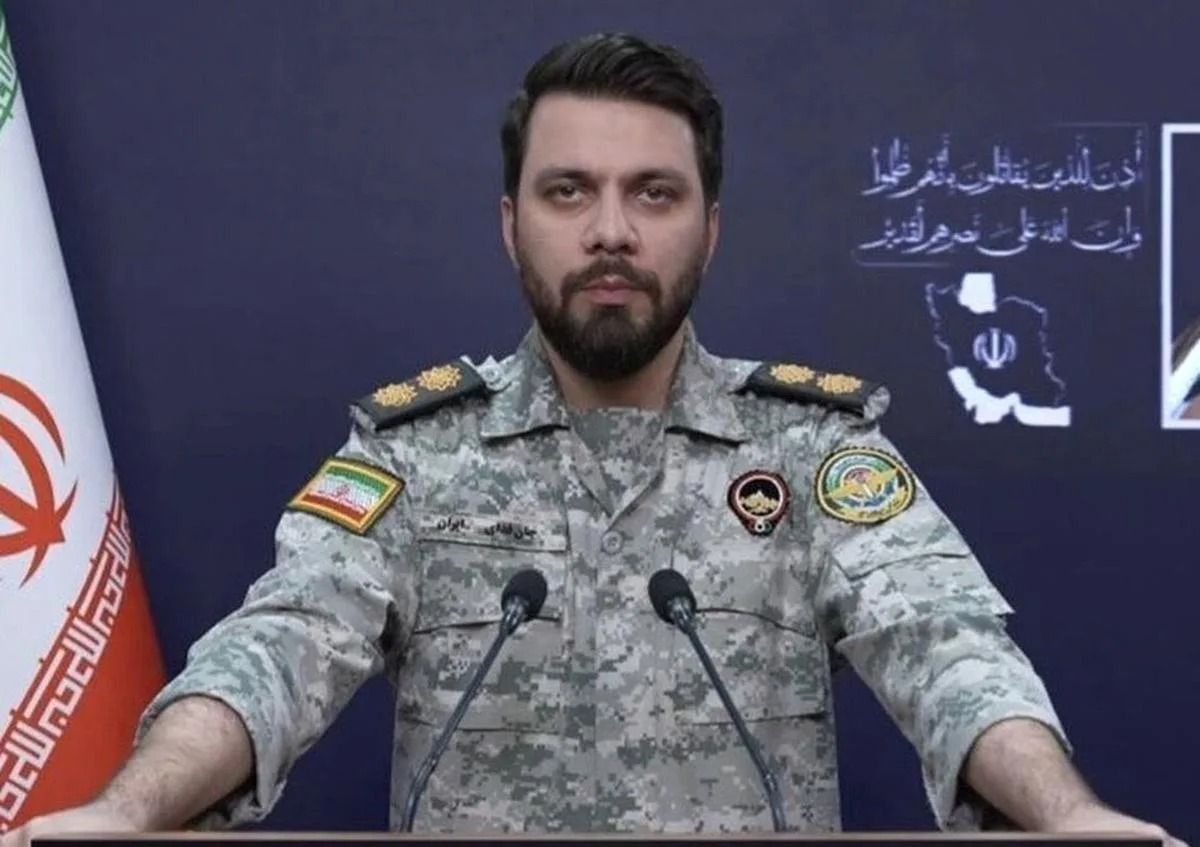 Iranian military spokesman Ebrahim Zolfaghari stated that the situation in the strait “will not go back to the way it was” and that the authority to allow maritime passage belongs exclusively to Iran
 Iran rejected on Wednesday the 15-point proposal put forward by the Trump administration to end the war, calling its terms “excessive and detached from reality,” while international mediators scramble to arrange a direct meeting between representatives of both countries that could be, they warn, the last chance to prevent a broader escalation.
The rejection was conveyed by a senior Iranian official to Press TV, who described the plan as “deceptive” and accused Washington of following a pattern of negotiating while attacking. Tehran recalls that during pre-war talks, the United States backed Israeli strikes on Iranian territory and ultimately joined the offensive, which included damage to nuclear facilities and the killing of much of the command structure, including Supreme Leader Ali Khamenei, who was replaced by his son Mojtaba.
The U.S. proposal demands an end to uranium enrichment, the dismantling of nuclear facilities, the elimination of Iran's missile program, the cessation of sponsorship of armed groups in the Middle East, and the reopening of the Strait of Hormuz, effectively closed since the start of the Israeli-American offensive on February 28. In return, Washington offers the lifting of sanctions.
Tehran is holding firm to maximalist demands: a complete halt to aggression against Iran and its allies, a mechanism guaranteeing against future attacks, war reparations, and recognition of its sovereignty over Hormuz. Iranian military spokesman Ebrahim Zolfaghari stated that the situation in the strait “will not go back to the way it was” and that the authority to allow maritime passage belongs exclusively to Iran.
Ebrahim Zolfaghari, spokesperson for Iran's Khatam al-Anbiya Central Headquarters said wars are decided on the battlefield, not on social media, in response to comments by US President Trump.
— Al Jazeera Breaking News (@AJENews) March 17, 2026
He also derided the US campaign name “Epic Fury” as better described as “Epic Fear”. pic.twitter.com/OAbQApfe4C
White House spokesperson Karoline Leavitt warned that Trump “is not joking” and that if Tehran does not accept its military defeat, it will be hit “harder than they have ever been hit.” A group of three amphibious assault ships carrying approximately 2,500 marines is expected to arrive by Friday, while the Pentagon has mobilized 3,000 additional paratroopers, joining the 50,000 troops already deployed in the region.
Israel, which is participating in the military campaign alongside the United States, estimates the talks have very little chance of success, according to Israeli public television. Nevertheless, Israeli forces have stepped up strikes on military installations, ballistic missile production sites, and Revolutionary Guard targets in an effort to complete as many objectives as possible ahead of a potential ceasefire.
Former Iranian military intelligence analyst Danny Citrinowicz warned that the campaign was built “on flawed assumptions, particularly regarding Iranian resilience,” and that Trump faces limited options: accept a ceasefire without an agreement, a deal shaped around Iranian demands, or an escalation with drastic consequences for the global economy.
Egypt offered to host any meeting between the parties. Egyptian Foreign Minister Badr Abelati said a direct encounter could be the “last chance” to prevent the conflict from worsening.


Top Comments
Disclaimer & comment rulesCommenting for this story is now closed.
If you have a Facebook account, become a fan and comment on our Facebook Page!