MercoPress. South Atlantic News Agency



Uruguay considers relocating HIF Global's green hydrogen megaplant to ease tensions with Argentina
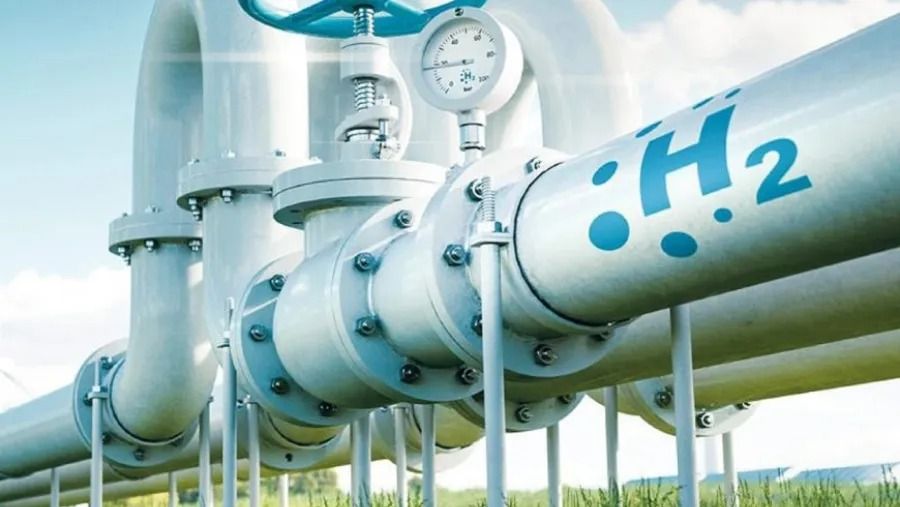 Government sources within the Orsi administration expressed confidence that a deal will be reached but rejected any suggestion of “giving away” energy or subsidizing the company's business model
 Uruguay's government is considering relocating within the department of Paysandú the synthetic fuels plant planned by multinational HIF Global, in an effort to simultaneously defuse diplomatic tensions with Argentina and advance what would be the largest private investment in the country's history, estimated at $5.385 billion in its final phase.
Paysandú Mayor Nicolás Olivera presented the proposal on Wednesday to President Yamandú Orsi at Torre Ejecutiva, the seat of the executive branch in Montevideo. According to Olivera, the possibility is “well advanced” and the government “views it favorably.” The new site — which could be located on land owned by state oil company Ancap — would need to offer logistical advantages equal to or better than the original location in Constancia, just a few kilometers from the Argentine shore. “The relocation is about finding a site that offers the same or better conditions, and if that eases the situation with Argentina, all the better,” Olivera told Subrayado.
The reaction from across the Uruguay River was positive. Entre Ríos Governor Rogelio Frigerio told El País that “if the relocation request is fulfilled, we will be satisfied and grateful.” Frigerio, who in March had threatened to take the case to The Hague if the project proceeded opposite the city of Colón, said a meeting between the two countries' foreign ministers is pending. The Argentine governor maintained that it is possible to “reconcile industry with tourism as long as we do it in an orderly and planned manner and don't put industrial plants in front of the province's most popular beaches.”
However, relocation does not resolve the project's main obstacle: the price of energy to be supplied by state utility UTE. Electricity costs represent approximately 70% of the plant's operating expenses, and the parties have been unable to bridge the gap between the $40 per megawatt-hour demanded by HIF and the higher figures proposed by the state. The deadline to sign the investment contract, originally set for March 31, was extended to the end of June.
HIF's CEO in Uruguay, Martín Bremermann, has warned that the energy pricing decision should come between April and May to meet the timeline for financial closing planned by the end of 2026. Bremermann also noted that other countries in the region offer more competitive rates: Paraguay at $25 per MWh, Chile at $32 and Brazil at $36, and that if Uruguay does not meet deadlines, production could be redirected to another plant.
Government sources within the Orsi administration expressed confidence that a deal will be reached but rejected any suggestion of “giving away” energy or subsidizing the company's business model. The project envisions production of approximately 880,000 metric tons per year of synthetic fuels from green hydrogen, with first shipments expected by late 2029. In Paysandú — Uruguay's department hardest hit by deindustrialization, with an unemployment rate that reached 14.8% in 2024 — expectations for the investment run high.


Top Comments
Disclaimer & comment rulesCommenting for this story is now closed.
If you have a Facebook account, become a fan and comment on our Facebook Page!