MercoPress. South Atlantic News Agency


Argentina sees new university protest as government pledges post-march dialogue
 The National Interuniversity Council estimates that transfers to national universities fell by 45.6% in real terms between 2023 and 2026, while sector salaries rose 158% against accumulated inflation
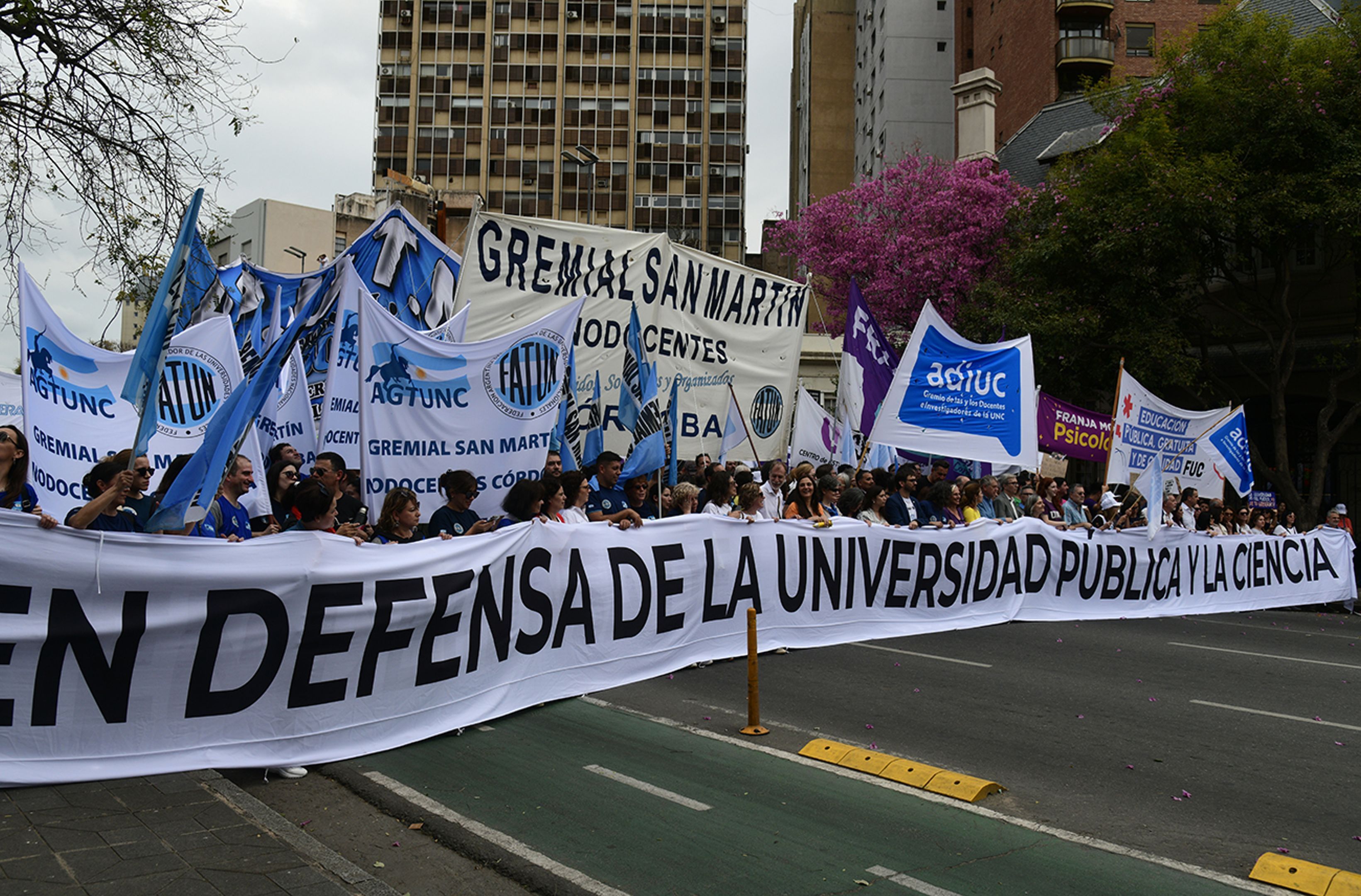
 Argentina's public universities are staging the fourth Federal University March on Tuesday against the budget adjustment imposed by Javier Milei's government, with the main rally in Plaza de Mayo and simultaneous mobilizations in the country's major cities, while the national administration announced it will meet with rectors after the protest to discuss the allocation of funds for university hospitals. The day combines a strike with suspended classes, a broad opposition turnout, and an official discursive shift aimed at opening a dialogue channel without yielding on the substance of the dispute.
The mobilization, called by the National Interuniversity Council (CIN), the Argentine University Federation, and the teaching and non-teaching unions, demands the implementation of the University Financing Law, approved by Congress in October 2025 and currently suspended by the Federal Administrative Appeals Chamber pending a Supreme Court ruling. The CIN argues that 200 days have passed without enforcement of the law. The column led by Buenos Aires province Governor Axel Kicillof's Movimiento Derecho al Futuro will set off at 3:30 p.m. from Perú and Diagonal Sur; La Cámpora will gather at Avenida de Mayo and Tacuarí, and the Radical Civic Union, left-wing parties, and the Renewal Front have also confirmed participation. The CGT labor federation and the two CTA confederations will join the protest from 3 p.m.
In parallel, the Ministry of Human Capital, headed by Sandra Pettovello, defended its call for greater transparency in university spending and reaffirmed that the financing law cannot be applied as voted. “It cannot be enforced because it is abstract; it was repealed when the Budget was approved,” said Undersecretary for University Policies Alejandro Álvarez at a press briefing attended by Infobae. According to the official, the two core articles under judicial review would require a 50% salary increase and an outlay that “the State is not economically able to undertake at present.” Pettovello said the government holds no “animosity toward the public university” and that the goal is “efficient, intelligent spending.”
The Executive itself announced the creation of a commission made up of the rectors of universities with hospitals to define, under objective criteria, the distribution of a budget reinforcement that until now had been transferred at the government's discretion. The measure targets the six hospitals run by the University of Buenos Aires —Clínicas, Roffo, Lanari, Vaccarezza, Odontológico, and Veterinaria— whose directors warned they have funds for 45 days and that equipment failures at the Roffo Institute threaten the continuity of cancer treatments. The government says it transferred in April the 150 million pesos earmarked for routine operations but withheld more than 79 billion pesos from the historical reinforcement fund.
The figures behind the conflict continue to drive the public debate. The CIN estimates that transfers to national universities fell by 45.6% in real terms between 2023 and 2026, while sector salaries rose 158% against accumulated inflation of 280%, translating into a 32% loss of purchasing power. Teaching unions also report no collective bargaining round since October 2024. Tuesday's mobilization will be the fourth major university protest of the Milei administration and, according to organizers, will replicate the federal format of previous editions with rallies in every provincial capital.


Top Comments
Disclaimer & comment rulesCommenting for this story is now closed.
If you have a Facebook account, become a fan and comment on our Facebook Page!