MercoPress. South Atlantic News Agency
Cuba accepts USD 100 million in US humanitarian aid amid energy collapse
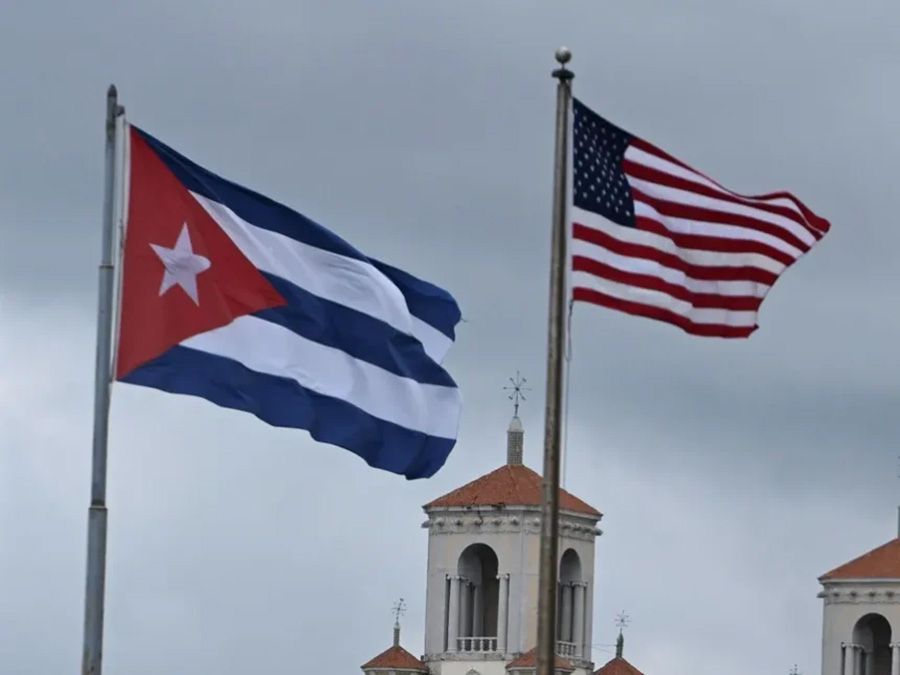 The US energy blockade has aggravated the structural crisis the island has been dragging since the capture of Nicolás Maduro and the resulting interruption of the Venezuelan supply
 The Cuban government on Thursday accepted the United States' offer of USD 100 million in humanitarian aid for food, fuel, and medicines, in a significant political shift after weeks of public rejection and hours after authorities on the island acknowledged the complete exhaustion of their fuel reserves. The aid will be channeled through the Catholic Church, according to the official statement issued by President Miguel Díaz-Canel, who only the day before had described the US offer as “inconsequential and paradoxical.”
“If there is genuine willingness on the part of the US government to provide aid in the amounts it announces and in full conformity with universally recognized humanitarian aid practices, it will encounter neither obstacles nor ingratitude on Cuba's part,” the Cuban president wrote on the X social media platform. The offer had been announced by Secretary of State Marco Rubio during a recent diplomatic trip to Rome. Cuban Foreign Minister Bruno Rodríguez Parrilla initially dismissed the proposal as a “fable” and called instead for the lifting of the energy blockade imposed by Washington on the island since January.
The acceptance comes during one of the most critical weeks for the Cuban system. Mining and Energy Minister Vicente de la O Levy stated on national television that the country has “absolutely no fuel oil and absolutely no diesel” left. In parallel, a communiqué attributed to the National General Staff of Civil Defense is circulating among the population — accessed by the newspaper El País, with its official authenticity not yet confirmed — warning that the island stands “on the threshold of Option Zero,” a contingency plan inherited from the Special Period of the 1990s that envisages extreme rationing. The population is enduring blackouts of between 18 and 30 continuous hours, and in neighborhoods of Havana residents have begun banging pots and lighting fires on street corners.
The US energy blockade, in force since January, has aggravated the structural crisis the island has been dragging since the capture of Nicolás Maduro and the resulting interruption of the Venezuelan supply. Rubio differentiated this week between the Cuban and Venezuelan situations in remarks reported by the AP news agency. “In Cuba there is no economy. If there is any wealth, it certainly does not reach the people. Not even the government. The wealth is controlled by a private company, owned by military generals,” the official said, in reference to the GAESA military conglomerate.
US President Donald Trump had foreshadowed the outcome on his Truth Social platform: “Cuba is asking for help, and we are going to talk!” Rubio, however, conditioned the prospects for change: “We will give them an opportunity. But I don't think it is going to happen. I don't think we can change Cuba's trajectory as long as this regime remains in power.”


Top Comments
Disclaimer & comment rulesCommenting for this story is now closed.
If you have a Facebook account, become a fan and comment on our Facebook Page!