MercoPress. South Atlantic News Agency
Agriculture
-
Wednesday, September 28th 2022 - 17:30 UTC
Argentine beef exports grow but demand from China takes downward path

Argentine beef exports have grown interannually but demand from China is 20% lower than in July and decreasing, with a marked downward trend in prices, according to a report from the Argentine Beef Exporters (ABC) Consortium in Buenos Aires.
-
Tuesday, September 27th 2022 - 09:51 UTC
Brazil expects record harvest of wheat and moves closer to self sufficiency
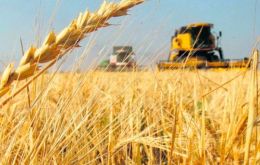
The Brazilian wheat crop should reach 10.935 million tons as 2022 yields in four states are likely to increase output in what will be a record harvest for local farmers.
-
Tuesday, September 20th 2022 - 09:58 UTC
Chinese sanctions on Uruguay's Frigorífico Rosario lifted

Uruguay's Frigorífico Rosario has been allowed to resume exports to China following a sanction on Sept. 30, 2021, that banned the meat processing plant from sending shipments to the Asian giant, Minister of Livestock, Agriculture and Fisheries Fernando Mattos announced.
-
Monday, September 19th 2022 - 09:05 UTC
Plenty of fertilizer for Brazilian farmers ahead of 2022/23 soybean-sowing season
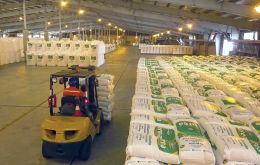
Brazilian farmers are preparing for another soybean planting season, the 2022/2023 harvest with the critical component of fertilizers to ensure high productivity and yields, on the tracks.
-
Friday, September 16th 2022 - 08:07 UTC
The September “soy dollar” convinces Argentine farmers to sell their crops
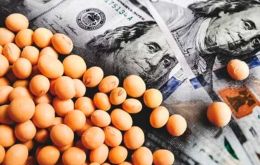
Argentine farmers have sold 15.2% of the country’s 44 million-ton 2021/22 soy crop in seven days since the government implemented a more favorable exchange rate for cash crop exports, Rosario grains exchange reported.
-
Thursday, September 15th 2022 - 10:35 UTC
UN concerned shortage of fertilizers might affect global food supply
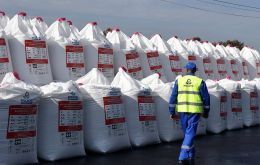
United Nations Secretary-General Antonio Guterres Wednesday discussed the issue of fertilizers and food exports with Russian President Vladimir Putin, it was reported.
-
Tuesday, September 13th 2022 - 10:00 UTC
Deep changes in China's beef market expected for 2023, USDA report

Economic hardships, combined with the government’s determination to keep its zero-tolerance policy for Covid-19, are likely to bring Chinese beef imports down by 19.4% in 2023, according to the latest report by USDA
-
Monday, September 12th 2022 - 09:19 UTC
FAO food commodity prices index declines for fifth month running in August
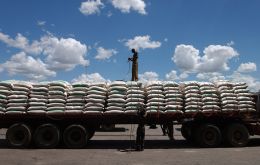
The barometer for world food commodity prices declined for the fifth consecutive month in August, as quotations for most benchmark items dropped, according to the latest report released by the United Nations Food and Agriculture Organization.
-
Monday, September 5th 2022 - 10:20 UTC
Argentina creates “soybean dollar” to boost Central Bank reserves

Argentina's Superminister of Economy Sergio Massa Sunday announced the creation of the so-called “soybean dollar” at a special parity of AR$ 200 / US$ 1 on the condition that exports be liquidated at the earliest.
-
Friday, September 2nd 2022 - 18:26 UTC
Uruguayan exports keep blooming
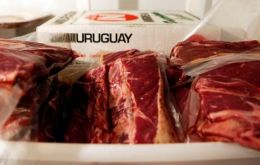
According to an Uruguayan Exporters Union (UEU) report released Thursday, orders from abroad have increased by 28% interannually, reaching a total of US$ 1.076 billion.
