MercoPress. South Atlantic News Agency
Agriculture
-
Monday, January 13th 2020 - 09:44 UTC
Uruguay becoming a premium olive oil production and exporting country

Olive oil producers in Uruguay enjoyed a record-setting harvest in 2019, according to a new report compiled by Uruguay’s Ministry of Livestock, Agriculture and Fisheries. In effect Uruguay produced 2,775 tons of extra virgin olive oil, according to the report, an increase of more than 360% over the rolling five-year average.
-
Monday, January 13th 2020 - 09:37 UTC
Argentine farmers increased forward selling of soybeans to avoid higher export taxes
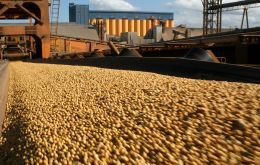
Argentina farmers increased the forward selling of soybeans in the last four months of 2019 in an effort to avoid higher export taxes that are now in effect, according to a Global Agricultural Information Network report from the U.S. Department of Agriculture.
-
Saturday, January 11th 2020 - 08:56 UTC
FAO Price Index climbs 2.5% in December, the highest level in five years

World food prices rose for the third consecutive month in December, as a strong rally in vegetable oil prices drove the FAO Food Price Index to its highest level in five years. The FAO Food Price Index averaged 181.7 points during the month, a 2.5 percent increase from November and the highest level since December 2014.
-
Friday, January 10th 2020 - 12:10 UTC
Electric fences between Poland and Germany to avoid spread of African swine fever
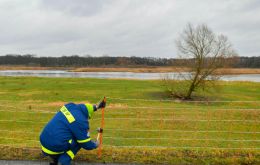
Poland recorded 55 outbreaks of African swine fever in wild boar near the German border last month, the world animal health body said on Thursday, in a sign the deadly virus is spreading near one of the European Union's biggest pork exporters.
-
Thursday, January 9th 2020 - 08:52 UTC
Brazil anticipates record 2019/20 oilseed and grains crop: some 250 million tons
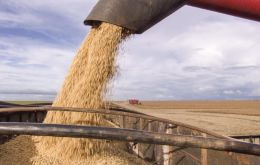
Brazil's 2019-20 crop of grains and oilseeds is expected to reach a record of nearly 250 million metric tons, mainly driven by a sharp recovery in soybean production, even as inclement weather in southern regions of the country is raising concerns about the corn crop.
-
Monday, January 6th 2020 - 09:24 UTC
Bushfires in Australia threaten the dairy industry; “thousands of cattle have been lost”

Bushfires across Australia's east coast are set to pile on more pain for the country's dairy industry, already hurt by a prolonged drought, as processors in one of the world's largest exporters face tightening milk supplies.
-
Monday, January 6th 2020 - 08:50 UTC
African swine fever outbreak in Bulgaria: 24.000 pigs to be culled
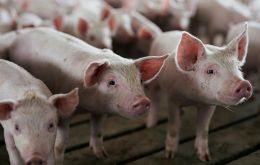
Bulgarian veterinary authorities said on Friday they would cull 24,000 pigs after detecting an outbreak of African swine fever at a pig farm in the northeast of the country.
-
Monday, January 6th 2020 - 07:04 UTC
Uruguayan rustlers butcher the hindquarters of a dairy cow and leave her alive

Rustling is common in cattle and sheep farming countries, and farmers in Uruguay which is a leading exporter of beef, wool and dairy produce have persistently suffered this sort of crime. Farmers have repeatedly complained to local authorities and police about the lack of protection of herds and flocks, and on occasions even slaughtering in the same fields where the animals grass feed.
-
Monday, December 30th 2019 - 09:56 UTC
Argentine president manages an all encompassing Social Pact, but farmers did not show up

Argentine president Alberto Fernandez together with business people, union leaders and representatives from social groupings launched the social pact, called “Argentine commitment for development and solidarity”, with the purpose of achieving long term consensus that goes beyond a presidential mandate (four years), and includes “shared goals which can be crystallized in different chapters”
-
Saturday, December 28th 2019 - 09:53 UTC
Argentine farmers back on the roads protesting export duties

Argentine farmers from the central provinces of Cordoba and Santa Fé are back on the roads to protest the latest raft of export duties on agriculture produce and overall increase in taxes established by the recently sworn in administration of President Alberto Fernandez.
