MercoPress. South Atlantic News Agency
Brazil
-
Saturday, June 22nd 2013 - 05:51 UTC
Pacific Alliance in a “marketing success” and no concern for Mercosur, says Brazil
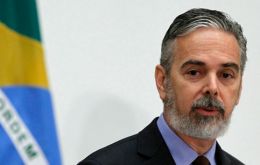
The Pacific Alliance is a ‘marketing success’ and does not represent a concern for Mercosur since it does not have the potential for physical integration as other blocks from the region, said Brazilian Foreign minister Antonio Patriota during a congressional hearing this week in Brasilia.
-
Friday, June 21st 2013 - 17:02 UTC
FIFA and the Confederation Cup in Brazil: “the show must go on”
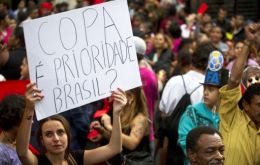
FIFA at no stage has discussed the possibility of canceling the Confederations Cup, which has been overshadowed by protests sweeping Brazil, according to a brief statement on Friday from soccer’s main organization following on reports from the Brazilian media.
-
Friday, June 21st 2013 - 06:37 UTC
Mercosur summit in Montevideo will consider lifting Paraguay’s suspension
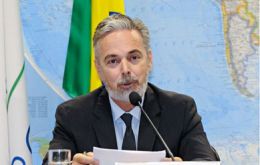
Brazilian Foreign minister Antonio Patriota confirmed on Thursday that Paraguay’s suspension from Mercosur will be in the agenda of the coming presidential summit, next 12 July in Montevideo.
-
Friday, June 21st 2013 - 06:19 UTC
Rousseff calls emergency cabinet meeting; a million people took to the streets in capital cites
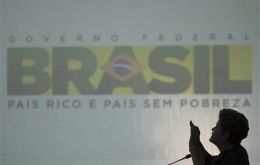
Brazilian president Dilma Rousseff has called for an urgent meeting of her main ministers Friday morning to address the effects of the current demonstrations through out Brazil which on Thursday evening convened over a million people in eighty cities.
-
Friday, June 21st 2013 - 06:16 UTC
Brazilian political system from surprise to shock as there seems no end to protests
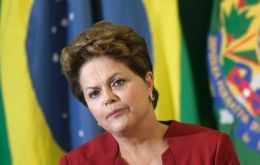
Brazil's biggest protests in two decades intensified on Thursday despite government concessions meant to quell the demonstrations, as over 300,000 people took to the streets of Sao Paulo, Rio de Janeiro, Brasilia and tens of thousands more flooded an estimated one hundred cities.
-
Friday, June 21st 2013 - 06:10 UTC
Rousseff envoy to Argentina to try and mend trade and investment difficulties
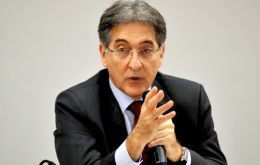
Brazilian Industry and Foreign Trade minister Fernando Pimentel met this week in Buenos Aires with President Cristina Fernandez and members of her cabinet to address several bilateral trade issues that growingly concern President Dilma Rousseff because of Argentina’s increasingly market protection policies.
-
Friday, June 21st 2013 - 06:03 UTC
Main Mercosur obstacle is Argentina, say Brazilian farmers promoting an EU/Brazil trade accord
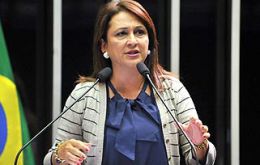
One of Mercosur ‘main obstacles’ is political and has its origin in Argentina, a country that is ‘extremely protectionist’, said the president of Brazil’s National Agriculture Confederation, CAN, Senator Katia Abreu currently in Brussels promoting the idea of a bilateral Brazil/EU free trade agreement.
-
Thursday, June 20th 2013 - 02:16 UTC
Sao Paulo and Rio roll back bus fares but protests keep spreading to other cities
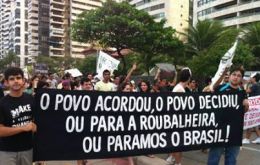
Brazil's two biggest cities agreed to revoke an increase in public transportation fares that set off demonstrations that have grown into nationwide protests against poor public services, inflation, corruption and lavish spending in stadiums to host global events.
-
Wednesday, June 19th 2013 - 06:07 UTC
Rousseff admits protestors grievances, praises democracy and meets Lula da Silva

As the threat of massive protests in Brazil’s major cities continues, President Dilma Rousseff early Tuesday tried to defuse the situation by acknowledging the need for better public services, more responsive governance and at the same time praising Brazilians commitment to a strong democracy.
-
Tuesday, June 18th 2013 - 15:12 UTC
UN human rights commissioner calls on Brazil to react with moderation to social protests
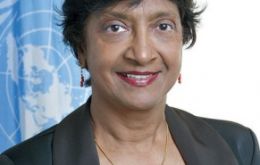
United Nations Human Rights Commissioner Navi Pillay has asked Brazilian authorities to react with moderation to the social protests that have spread through out the country and at the same time has called on demonstrators to avoid using violence to get their message heard.