MercoPress. South Atlantic News Agency
Economy
-
Friday, August 10th 2012 - 07:03 UTC
Falklands, an “excellent investment destination” for the oil industry

The Falkland Islands Government has welcomed the news of a farm-in agreement between Falkland Oil and Gas Ltd and US based Noble Energy which was announced on Monday and confirms the Falklands as an “excellent investment destination”.
-
Thursday, August 9th 2012 - 06:47 UTC
For Argentine unions, food basket inflation is 52% higher than the official index

Argentine organized labour CGT, announced that based on their own analysis of the products that make up the basic food basket, on average they are 52% more expensive than those analyzed by the official statistics office, Indec
-
Thursday, August 9th 2012 - 06:38 UTC
Chilean inflation flat in July; accumulates 2.5% in the last 12 months

The Chilean consumer price index showed no variation in July in contrast to the surprise 0.3% drop in June, as increases in food and non-alcoholic drinks offset falls in clothing, footwear and utilities, according to the national statistics agency INE.
-
Thursday, August 9th 2012 - 06:33 UTC
Venezuela inflation slows down for seventh month running: 19.4% in last 12 months

Venezuela's annual inflation slowed for a seventh straight month in July, coming in below 20% for the first time in years. Finance Minister Jorge Giordani said annual inflation to July was 19.4% percent, below the 20 to 22% estimated in the government's budget for this year.
-
Thursday, August 9th 2012 - 06:29 UTC
Venezuelan currency overvalued by 83% according to the Big Mac index
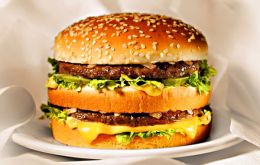
The Big Mac index computed by The Economist showed that the Venezuelan Bolivar is the most overvalued currency worldwide with respect to the US dollar, reflecting the imbalance of the Venezuelan economy.
-
Thursday, August 9th 2012 - 06:08 UTC
New Zealand launches program for high quality marbled beef off grass
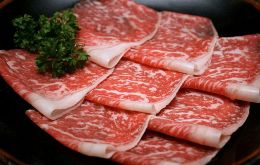
The New Zealand government announced last week it will be supporting a program to produce high-quality marbled beef off grass, by combining specific high-marbling genetics with the country’s strengths in pastoral agriculture, according to Joe Burke from the Meat Division of Bord Bia-Irish Food Board.
-
Wednesday, August 8th 2012 - 19:41 UTC
In carefully worded statement British bank rejects money laundering claims by US regulator

As British bank denies accusations it hid 250 billion dollars in transactions with Iranian banks, its share price falls sharply. Standard Chartered has rejected a US regulator's claim that it hid 250 billion dollars in transactions with Iranian banks in violation of US sanctions.
-
Wednesday, August 8th 2012 - 18:46 UTC
Organized pickets in Andalusia raid supermarkets for food to distribute among the needy

Pickets of unemployed and union members in the south of Spain took over supermarkets and took food produce which they then delivered to social organizations and needy families to protest and warn of the consequences of the tough measures implemented by the government.
-
Wednesday, August 8th 2012 - 18:28 UTC
Continental animal virus reached UK and spreads throughout the country
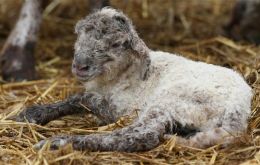
The Schmallenberg virus reached the UK this summer and could spread throughout the country, scientists say. Staff from the Royal Veterinary College (RVC) and Institute for Animal Health (IAH) found the virus in animals on the RVC farm in Hertfordshire in June.
-
Wednesday, August 8th 2012 - 18:16 UTC
Panama Canal unveils new tolls structure and increases some categories

Following the recommendation from the Board of Directors of the Panama Canal Authority (ACP), the Panamanian government approved this week the proposal to restructure the Panama Canal's pricing system.