MercoPress. South Atlantic News Agency
Economy
-
Wednesday, May 20th 2009 - 14:39 UTC
Business climate in Latinamerica undergoes slight improvement

The business climate in Latinamerica experienced a slight improvement in the last three months having jumped from 2.9 points in January to 3.6 in April, although it is still one of the worst levels in seven years, reported the Brazilian Foundation Getulio Vargas
-
Wednesday, May 20th 2009 - 14:37 UTC
Worst of global crisis over, but early recovery unlikely, says Krugman

Nobel Prize laureate Paul Krugman said Tuesday in Korea the worst phase of the global economic crisis is over but massive lingering debts make any early recovery unlikely.
“I share the optimism that the worst is maybe over” said Krugman in a speech to an international finance forum in Seoul. -
Wednesday, May 20th 2009 - 02:42 UTC
UK annual consumer inflation down to 2.3% in April

The British annual consumer prices inflation was 2.3% in the year to April, down from 2.9% in the year to March, falling closer to the 2% target set by the government which most commentators had been expecting as utility bills were cut to reflect falling oil prices.
-
Tuesday, May 19th 2009 - 14:42 UTC
IMF anticipates Latinamerica will recover before developed countries

Although Latinamerica is well prepared to confront the international economic crisis, the economies of the region will suffer on average a contraction of 1.5% this year, said the International Monetary Fund main advisor for the hemisphere Miguela Sabastano.
-
Tuesday, May 19th 2009 - 14:02 UTC
British economist blames financial sector for current optimistic forecasts

Behind the idea that the current economic crisis will be over by 2010 are the interests of the financial sector that are trying their most to avoid a greater regulation of markets claims British Professor Robert Wade.
-
Tuesday, May 19th 2009 - 13:57 UTC
Trade and oil cooperation, high in the Lula da Silva agenda in China
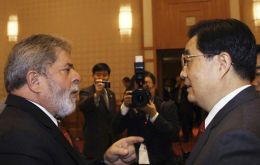
Brazilian president Lula da Silva arrived Monday in Beijing with a delegation of 240 businessmen for a three-day visit aimed at strengthening the country’s strategic partnership with China.
-
Sunday, May 17th 2009 - 13:12 UTC
Private sector economists say Argentina is in recession

Argentina's industrial production in April plunged 9.1% on the year, economic think tank Orlando J Ferreres & Asociados reported this week. The April drop follows a 9% decline during the first quarter of 2009 and a 5.6% drop during the fourth quarter of 2008, according to the report.
-
Saturday, May 16th 2009 - 13:26 UTC
US consumer prices in April remained unchanged

US consumer prices were unchanged in April, but recorded their largest year-on-year drop for more than 50 years, official data showed. Meanwhile producer prices jumped more than expected pushed by the biggest rise in food costs in more than a year.
-
Saturday, May 16th 2009 - 13:19 UTC
Chilean Patagonia provides few bright spots of economic activity
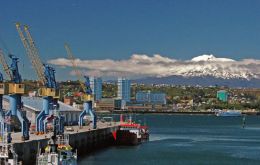
The southern tip of the Chilean Patagonia provided most of the few bright spots in the Chilean government’s latest Index of Regional Economic Activity (INACER), published this week by the National Statistical Institute.
-
Saturday, May 16th 2009 - 13:15 UTC
Euro zone first quarter contraction of 2.5% surprises economists

The economies of the 16 countries of the Euro zone experienced its worst quarterly drop in GDP in the first three months of the year, shedding 2.5% according to a release from the EU statistics agency Eurostat.

