MercoPress. South Atlantic News Agency
Economy
-
Monday, September 14th 2020 - 11:19 UTC
China's impact on poor Brazilians: prices of staples skyrocket, black beans 30%, rice 20%
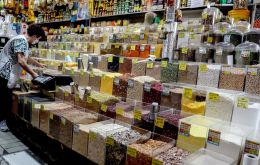
Black beans are up nearly 30%, beef about 40% – Brazilians are facing a skyrocketing rise in food prices, caused by record exports to China and strong domestic demand. This rebound, amid the economic and social crisis caused by the new coronavirus pandemic, has led the president, Jair Bolsonaro, to ask the owners of supermarkets to show “patriotism” and “keep their profit margin as low as possible”.
-
Saturday, September 12th 2020 - 10:29 UTC
Brazil's services activity in July rises but still 11,9% down from a year ago
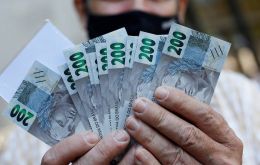
Services activity in Brazil rose in July for a second straight month, figures showed on Friday, but the pace of growth was slower than forecast, suggesting the economy's rebound from the worst of the COVID-19 may not be quite so entrenched.
-
Saturday, September 12th 2020 - 09:56 UTC
Falklands presents “State of Environment 2020” report

The Falkland Islands Government has released of the ‘State of Environment 2020’ report. The publication combines environmental facts and figures to provide a summary of the overall state of the Falkland Islands' natural environment towards the end of 2019.
-
Saturday, September 12th 2020 - 09:03 UTC
UK/Japan trade deal, first of post-Brexit, hailed as “a historic moment”
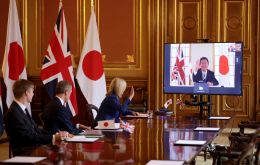
The United Kingdom and Japan on Friday agreed in principle to a trade deal, in a move that sees the U.K. strike its first major agreement post-Brexit. The announcement, which the U.K. hailed as a “historic moment,” comes as Britain struggles to secure an agreement with its closest trading partners in the European Union.
-
Friday, September 11th 2020 - 09:40 UTC
Brazilian prosecution investigating Petrobras forex transactions between 2008 and 2011
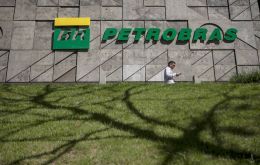
Brazil’s federal police were serving 25 search warrants as part of an investigation regarding foreign-exchange transactions done by oil company Petrobras between 2008 and 2011, according to a statement from federal prosecutors on Thursday.
-
Friday, September 11th 2020 - 09:30 UTC
Falklands fishing industry disappointed with Islands' management of Brexit issues

Falklands' fisheries company Fortuna Ltd’s Stuart Wallace said at a meeting of Fisheries Committee last week that he was “disappointed” with the level of engagement about Brexit between FIG and the fishing industry.
-
Friday, September 11th 2020 - 08:38 UTC
Brazil opens to tariff free rice, following price complaints from consumers
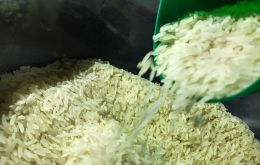
Brazil’s Executive Secretary of the Foreign Trade Board, “CAMEX,” voted on Wednesday to provide duty-free access for up to 400,000 tons of paddy and milled rice from all origins, effective this week through December 31, 2020. The measure was officially published in Brazil’s Official Gazette of the Federal Government and responds to growing consumer complaints about the retail price of rice, which with beans are staple for a majority of Brazilians.
-
Friday, September 11th 2020 - 08:33 UTC
Peruvian opposition want to sack the economy minister in the midst of the country's worst plunge
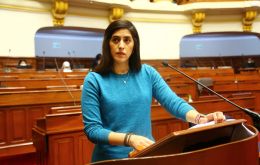
Peruvian opposition lawmakers filed a censure motion to oust the government’s economy minister, underscoring political tensions as the country rides out its deepest economic plunge in decades due to the coronavirus pandemic.
-
Friday, September 11th 2020 - 08:24 UTC
Trump's candidate will be the next president of the Inter-American Development bank
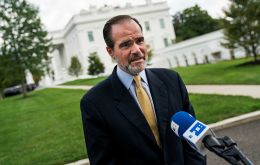
U.S. President Donald Trump’s pick to run Latin America’s main financing institution appears poised to win the top job in this weekend’s election amid faltering regional opposition to having a U.S. citizen run the bank for the first time in 61 years.
-
Thursday, September 10th 2020 - 08:30 UTC
Johnson prepared to breach orderly EU exit treaty: Northern Ireland and Scotland pledge to fight the bill
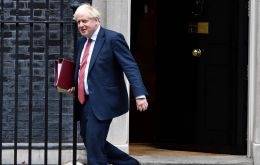
Britain on Wednesday readied to intentionally breach its EU divorce treaty with new legislation that critics warned would undermine its global standing and any hopes for an orderly exit out of the world's biggest single market.