MercoPress. South Atlantic News Agency
Economy
-
Thursday, April 2nd 2020 - 07:42 UTC
Falklands with normal stocks of items and supply shipping services confirmed
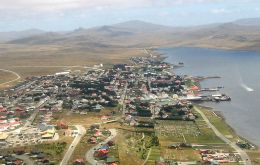
The Falkland Islands Government, FIG, confirmed on Wednesday that the normal shipping services supplying goods to the Islands remain in place and understand that major suppliers are expecting new stock to arrive in April as planned.
-
Thursday, April 2nd 2020 - 07:36 UTC
Mitigating impacts of Covid-19 on food trade and markets
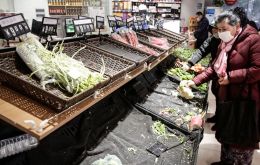
The following is the statement by FAO's chief Qu Donguy, WHO's Tedros Adhanom Ghebreyseus and WTO's director-general Roberto Azevedo.
-
Wednesday, April 1st 2020 - 07:50 UTC
Largest ever shipment of cattle loaded at Rio Grande port in South Brazil
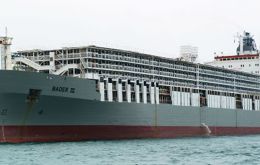
The Bahamas flagged vessel named Bader III, which specializes in transporting live cattle, docked last weekend at Estaleiro Rio Grande Pier, Brazil, to handle the largest ever shipment of such cargo at the port.
-
Wednesday, April 1st 2020 - 07:45 UTC
Brazilian meat exports to China on hold because of coronavirus social distancing measures
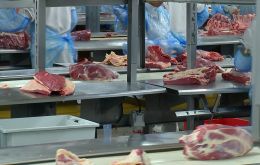
China has not approved any new Brazilian meat plants for export this year because of the coronavirus pandemic, an official at Brazil’s Agriculture Ministry said, adding that all approvals were on hold until the crisis eases.
-
Wednesday, April 1st 2020 - 07:45 UTC
Wall Street markets tumbled on Tuesday: Dow with its biggest quarterly decline since 1987

Wall Street’s three major indexes tumbled on Tuesday, with the Dow registering its biggest quarterly decline since 1987 and the S&P 500 suffering its deepest quarterly drop since the financial crisis on growing evidence of massive economic damage from the coronavirus pandemic.
-
Wednesday, April 1st 2020 - 07:35 UTC
Crude oil benchmarks open April overshadowed by fears of global oversupply

Crude oil benchmarks opened the month mixed on Wednesday, following their biggest-ever quarterly and monthly losses, overshadowed by fears of global oversupply as data showed a bigger-than-expected rise in inventories in the United States.
-
Wednesday, April 1st 2020 - 06:55 UTC
Brazilian supermarkets in Sao Paulo to hire 5.000 temporary workers

Brazilian supermarkets are planning to hire 5,000 temporary workers in Sao Paulo’s metropolitan region, the most severely affected by the coronavirus outbreak, to meet higher demand from consumers and replace employees under quarantine, according to the local association that represents the sector, Apas.
-
Tuesday, March 31st 2020 - 12:58 UTC
Foreign debt must wait: “the pandemic and Argentines' health are priorities”

Honoring foreign debt will have to wait because given the coronavirus pandemic priority is now the health of the Argentines, said president Alberto Fernandez on Monday, adding he would not let local companies fire o declare workers redundant.
-
Tuesday, March 31st 2020 - 12:45 UTC
Argentina expected to make a symbolic US$ 225 million interest payment

Argentina will layout “guideposts” this week for a restructuring of its nearly US$70 billion in foreign debt, but the country is not yet ready to make a formal proposal to creditors, according to political sources in Buenos Aires.
-
Tuesday, March 31st 2020 - 12:24 UTC
Argentine jigger fleet begins operating north of parallel 44o. as of April first

Argentine jiggers will begin operating north of parallel 44o on April first, following on a decision from the Fisheries Under Secretariat chief, Carlos Liberman. The Fisheries Federal Council is impeded of meeting because of the coronavirus pandemic rules imposed in Argentina. Anyhow the decision was taken based on a report from the Inidep research institute.