MercoPress. South Atlantic News Agency
Tag: European Union
-
Wednesday, August 14th 2013 - 20:16 UTC
EU climbs out of 18-month recession led by Germany and France, but still fragile
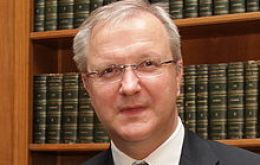
European stock markets mostly rose on Wednesday after official data showed that the Euro zone had finally escaped from a record 18-month recession. The Euro-zone climbed out of recession with surprisingly strong growth of 0.3 percent in the second quarter led by Germany and France, announced the European Union.
-
Monday, August 12th 2013 - 18:06 UTC
EU confirms no block-to-individual Mercosur member trade negotiation has been requested
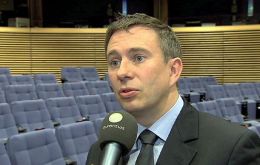
The 28-country European Union underscored the potential benefits of a free trade agreement with Mercosur and revealed that so far no country member of the group has requested to a bilateral negotiation.
-
Monday, August 12th 2013 - 18:03 UTC
Brazil urged for agreement with EU, since next year it will lose trade preferences
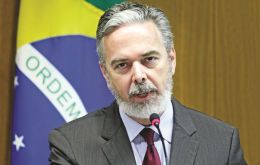
Brazil, Latin America‘s biggest economy, is planning to try to negotiate a separate trade deal with the European Union, Foreign Minister Antonio Patriota said in remarks published Monday.
-
Saturday, August 3rd 2013 - 01:41 UTC
EU FTA agreements with Colombia and Central America became effective August first

Free trade agreements, FTA, signed by the European Union with Colombia, and with Central American countries Honduras, Nicaragua and Panama became effective August first as part of the EU strategy to eliminate tariffs on trade with Central American and the Andean region.
-
Friday, August 2nd 2013 - 03:55 UTC
Brazil supports IMF aid to Greece and summons delegate back home to explain
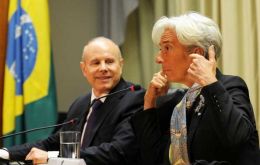
Brazil on Thursday expressed support for the IMF latest aid package for Greece, disavowing its IMF delegate who abstained in a vote on the issue. Finance Minister Guido Mantega spoke with IMF chief Christine Lagarde and backed the Fund's decision to release 1.7 billion Euros in rescue loans to ailing Greece Monday, his spokesman said.
-
Friday, August 2nd 2013 - 02:42 UTC
Euro rates to remain unchanged for extended period of time, says ECB
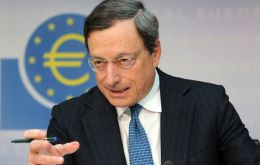
The European Central Bank left interest rates at a record low 0.5% on Thursday and said that they will remain there for some while to come and could yet fall further. ECB President Mario Draghi hinted that policy would not be tightened until well into next year at the earliest, although the central bank will give no time horizon for when rates might move.
-
Friday, August 2nd 2013 - 02:33 UTC
France’s Council of State lifts ban on growing GM corn from Monsanto

The battle over growing genetically modified crops in France flared anew on Thursday as the country's top administrative court overturned a government ban on growing GM corn sold by the US giant Monsanto.
-
Wednesday, July 31st 2013 - 16:54 UTC
Slightly encouraging signs from the EU in employment and manufacturing
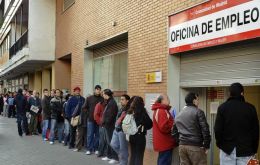
The number of unemployed in the Euro-zone has fallen, slightly, for the first time since April 2011. The fall in June came amid brightening economic prospects, suggesting an end to the bloc’s stubborn recession.
-
Tuesday, July 23rd 2013 - 07:29 UTC
EU puts Hezbollah in terrorism blacklist; Lebanon fears impact in local politics

The European Union agreed on Monday to put the armed wing of Hezbollah on its terrorism blacklist, a move driven by concerns over the Lebanese militant group's roles in a bus bombing in Bulgaria and the Syrian war.
-
Monday, July 1st 2013 - 21:29 UTC
Croatia joins the European Union
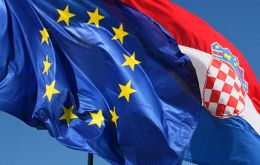
On the 1 July 2013, Croatia became the 28th member of the EU after a decade of carrying out all the reforms needed to bring it into line with EU laws and standards.

