MercoPress. South Atlantic News Agency
Tag: Federal Reserve
-
Wednesday, July 16th 2014 - 01:06 UTC
US economy recovering but “too many Americans remain unemployed”
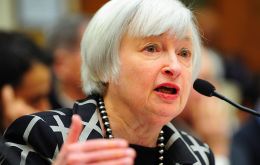
The US economic recovery remains incomplete, with a still-ailing job market and stagnant wages justifying loose monetary policy for the foreseeable future, Federal Reserve Chair Janet Yellen told a Senate committee on Tuesday.
-
Thursday, July 10th 2014 - 21:48 UTC
Fed will end asset purchases in October, but no decision yet on interest rates
The Federal Reserve has begun detailing how it plans to ease the US economy out of an era of loose monetary policy, indicating it will end its asset purchases in October and appearing near agreement on a plan to manage interest rates in the future, according to minutes of the last Fed policy meeting.
-
Monday, July 7th 2014 - 07:10 UTC
Lagarde cautious about growth momentum; infrastructure investment needed

Global economic activity should strengthen in the second half of the year and accelerate in 2015, although momentum could be weaker than expected, IMF chief Christine Lagarde said, hinting at a slight cut in the Fund's growth forecasts.
-
Friday, July 4th 2014 - 06:34 UTC
US unemployment down to 6.1% and the Dow Jones at 17.000 for first time

US economy added 288,000 jobs in June, latest figures from the Bureau of Labor Statistics have shown. The unemployment rate dropped to 6.1%, its lowest level since September 2008.
-
Thursday, June 19th 2014 - 06:09 UTC
Fed cuts US growth forecast, but will also further trim stimulus program
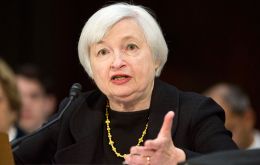
The US Federal Reserve has cut its growth forecast for 2014 because of the harsh winter weather. The central bank is now predicting growth of between 2.1% and 2.3% for this year, down from its March forecast of 2.8% to 3%.
-
Tuesday, June 17th 2014 - 06:27 UTC
IMF cuts US growth forecast and recommends 'continued policy support'
The International Monetary Fund cut its growth forecast for the United States and said the economy would not reach full employment until the end of 2017, allowing the Federal Reserve to take its time before raising interest rates.
-
Friday, June 13th 2014 - 07:32 UTC
Easy-monetary policy advocates join the Federal Reserve; Fischer confirmed vice-chairman
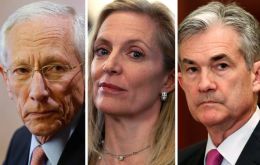
The US Senate confirmed on Thursday Stanley Fischer to be vice chairman of the Federal Reserve and approved Jerome Powell and Lael Brainard as members of the central bank's board, bolstering the Fed as it prepares to wind down its extraordinary stimulus.
-
Thursday, May 22nd 2014 - 00:31 UTC
Fed minutes confirm a retreat from easy monetary policy; concerns regarding job creation
Federal Reserve policymakers last month began laying groundwork for an eventual retreat from easy monetary policy with a discussion of how to best control interest rates as they remove trillions of dollars from the financial system.
-
Thursday, May 1st 2014 - 06:58 UTC
Fed optimistic about US economy; pares securities purchases by another 10bn dollars
The Federal Reserve looked past a dismal reading on first quarter US growth and gave a mostly upbeat assessment of the economy's prospects as it announced another cut in its massive bond-buying stimulus. Latest information indicates that economic activity has picked up after having slowed sharply during the winter in part because of adverse weather conditions, the central bank said on Wednesday.
-
Friday, March 28th 2014 - 06:31 UTC
US Fed rejects Citigroup plans to boost dividends for shareholders

US Federal Reserve has rejected plans by Citigroup to buy back shares and boost dividends for shareholders. It cited deficiencies in the bank's ability to plan for how stressful situations would hurt its business. The decision is a setback for Citigroup boss Michael Corbat who was brought in to bolster internal controls after the bank failed stress tests two years ago.