MercoPress. South Atlantic News Agency
Tag: Federal Reserve
-
Thursday, July 28th 2011 - 11:27 UTC
US economic recovery slowed down in June says Fed’s Beige Book

The pace of United States economic growth slowed last month in eight of the 12 Federal Reserve Districts, the central bank said Wednesday in the latest edition of its Beige Book report.
-
Thursday, July 14th 2011 - 18:27 UTC
Bernanke warns Congress of “calamitous outcome” if the US defaults on its debt
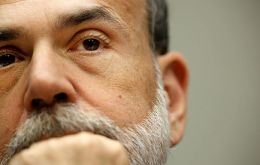
Federal Reserve Chairman Ben Bernanke warned the United States Congress that overzealous cuts to government spending could derail an already fragile recovery and said a US debt default could wreak financial havoc.
-
Wednesday, July 13th 2011 - 16:30 UTC
Fed ready to inject new stimulus if US economy remains persistently weak

Federal Reserve Chairman Ben Bernanke said the central bank is ready to ease monetary policy further if the economy weakens and inflation moves lower, suggesting policymakers are actively mulling further stimulus.
-
Thursday, June 30th 2011 - 06:58 UTC
IMF urges a political agreement on the US federal debt ceiling

Failure by US lawmakers to agree soon on a deal to raise the government's borrowing limit could deliver a “severe shock” to a still fragile recovery and global markets, the International Monetary Fund warned.
-
Monday, June 27th 2011 - 18:48 UTC
Federal Reserve will remain biggest buyer of US Treasury bills
The Federal Reserve will remain the biggest buyer of Treasuries, even after the second round of quantitative easing ends this week, as the central bank uses its 2.86 trillion US dollars balance sheet to keep interest rates low.
-
Friday, June 24th 2011 - 22:44 UTC
US economy expanded at a 1.9% annual pace in the first quarter
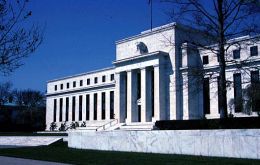
The United States economy grew at a 1.9% pace in the first quarter marking the start of what Federal Reserve policy makers anticipate is a temporary slowdown in growth.
-
Wednesday, June 22nd 2011 - 23:36 UTC
Fed admits it does not have a “precise read” of why US economy is slowing
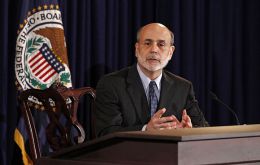
The Federal Reserve has cut its growth forecast for the US economy in the face of the impact of higher energy prices. It now estimates that the US economy will expand between 2.7% and 2.9% this year, down from its April forecast of 3.1% to 3.3%.
-
Friday, June 10th 2011 - 03:56 UTC
Record exports in April helped to lower US trade deficit by 6.7%
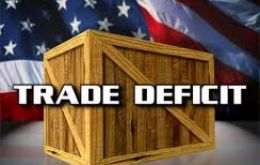
Exports of US goods and services rose to a record 175.6bn in April, helping to shrink its trade deficit. Data from the Commerce Department showed the gap between imports and exports fell by 6.7% to 43.7bn as manufacturers shipped more items such as computers.
-
Thursday, June 9th 2011 - 22:26 UTC
IMF says US does not need additional monetary stimulus

The Federal Reserve does not need to consider additional monetary policy stimulus as the world's largest economy is likely to pick up in coming quarters due to growth in exports and disposable incomes, IMF acting chief John Lipsky said.
-
Thursday, June 9th 2011 - 00:54 UTC
Bernanke argues strong demand for commodities is depressing US dollar value
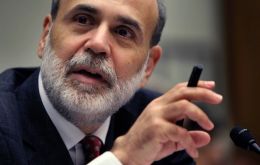
US Federal Reserve rejected criticism that its actions (‘accommodative monetary policy’) have pushed down the foreign exchange value of the US dollar and thereby boosted the price of commodities, adding that the Fed is “fully committed” to maintaining the dollar’s purchasing power and to keeping inflation in check.