MercoPress. South Atlantic News Agency
Tag: Guyana
-
Monday, October 5th 2020 - 09:58 UTC
Guyana's big profits dreams crushed by the pandemic and the “resource curse”
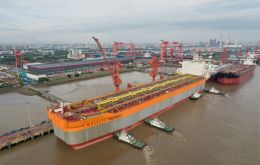
By Amy Myers Jaffe (*) – This year was supposed to bring great things for Guyana. ExxonMobil discovered massive oil deposits off the South American country’s Caribbean coast in 2015, and Guyana sold its first cargo of crude oil this February. As production ramps up, its first stage offshore wells were projected to produce 750,000 barrels a day by 2025, tripling the size of Guyana's economy, from US$ 3,4 billion to US$ 13 Billion.
-
Tuesday, September 22nd 2020 - 08:29 UTC
Chinese embassies in Suriname and Guyana accuse Pompeo of smearing Beijing
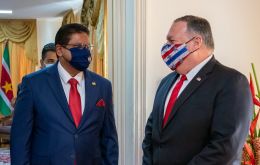
China's embassies to Suriname and Guyana accused US Secretary of State Mike Pompeo of “spreading rumors” and “smearing” Beijing, after Washington's top diplomat criticized Chinese companies during a four-stop South America tour.
-
Friday, September 18th 2020 - 09:36 UTC
The attraction of oil: first ever US Secretary of State visit to Suriname and Guyana
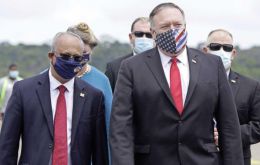
Mike Pompeo on Thursday became the first US secretary of state to visit Guyana and Suriname as the discovery of oil fuels a sudden new interest in the small South American nations.
-
Monday, August 3rd 2020 - 10:36 UTC
Winner of March presidential election takes office in oil-rich Guyana

Guyana's elections commission on Sunday declared opposition presidential candidate Irfaan Ali the winner of a disputed Mar 2 election, paving the way for a change in power in the newly oil-producing South American country.
-
Friday, July 31st 2020 - 10:20 UTC
Lack of political stability in Guyana is delaying expected oil output
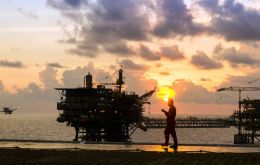
Guyana’s crude production has reached 100,000 b/d, 25% up on June, energy department director Mark Bynoe revealed even as the country continues to see an announcement on the 2 March, 2020 election results pushed further and further into the year.
-
Saturday, July 18th 2020 - 07:27 UTC
UK and US warn Guyana to respect election results and “avoid frustrating the will of the people”

United Kingdom expressed disappointment with the current authorities of Guyana which so far have not recognized the results of elections held four months ago, frustrating the will of the people.
-
Wednesday, July 15th 2020 - 08:55 UTC
Exxon resumes drilling in Guyana; local politics battle over the future oil revenue
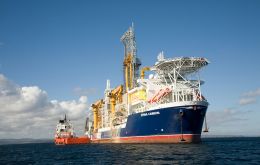
Exxon Mobil resumed drilling in Guyana last month, underscoring its dedication to the offshore hotspot despite the oil price crash and a messy turn in local politics.
-
Thursday, July 2nd 2020 - 08:02 UTC
Guyana Venezuela territorial dispute at the Court of Justice, but Caracas denies The Hague jurisdiction to rule

The United Nations’ top court held its first virtual hearing on Tuesday, taking up a 120-year-old territorial dispute between Guyana and Venezuela. Guyana made its arguments as to why the International Court of Justice has jurisdiction in the border dispute, which calls into question the ownership of more than half of the ex British colony.
-
Wednesday, May 13th 2020 - 07:46 UTC
Guyana's second offshore facility FPSO on schedule for first oil in 2022

Liza Unity, an under-construction FPSO that will be Guyana's second offshore facility in production, remains on schedule for first oil in 2022, Hess Corp. announced. Guyana became an oil-producing nation in December 2019, when Exxon brought online the Liza Destiny FPSO.
-
Saturday, March 14th 2020 - 08:56 UTC
Recount of votes in Guyana election questioned by OAS observer mission

The Organization of American States (OAS) election observer mission on Friday said it would be pulling out of Guyana because tabulation process for Region Four is unlikely to produce overall results that are widely accepted.