MercoPress. South Atlantic News Agency
Tag: Raúl Castro
-
Wednesday, May 11th 2011 - 01:37 UTC
“Shape up or ship out”, Cuban communist party tells unprofitable companies
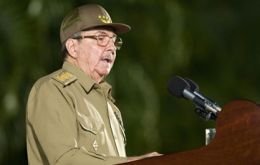
Cuban government companies and cooperatives repeatedly “inefficient” (non profitable) will be handed to the private sector or liquidated, according to the reforms program approved by the island’s VI Communist Party congress and which was officially published Monday.
-
Monday, May 9th 2011 - 18:52 UTC
Cuban government plans to allow residents to travel abroad as tourists
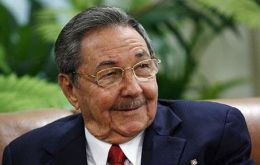
The Cuban government said Monday that it plans to study ways to allow residents of the island to travel abroad as tourists, suggesting it will ease the bureaucratic hurdles and outright restrictions that prevent many residents from leaving.
-
Thursday, April 21st 2011 - 06:59 UTC
Where’s the new blood? Cuban reforms to be implemented by the old guard
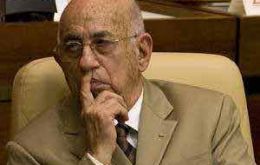
Cuba's Communist Party selected President Raúl Castro and hard-liners from the old guard to steer wide-ranging reforms of the island's crumbling economy. As expected, Raúl Castro, 79, was chosen at a four-day party congress to replace his older brother Fidel Castro as first secretary of the ruling party's Central Committee.
-
Tuesday, April 19th 2011 - 04:57 UTC
Private property returns after 50 years: Cubans allowed to buy and sell their homes
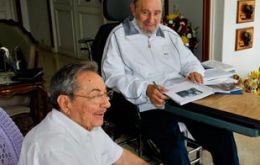
Cuba says it will allow people to buy and sell their homes for the first time since the communist revolution in 1959. For the past 50 years, Cubans have only been allowed to pass on their homes to their children, or to swap them through a complicated and often corrupt system.
-
Monday, April 18th 2011 - 06:38 UTC
Cuba’s geriatric leadership admits it lacks a reserve of well-trained replacement
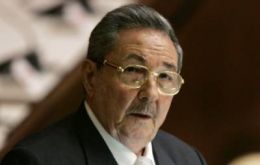
Cuba will consider placing term limits on its leaders to assure new blood in the government, President Raul Castro said in a speech kicking off a Communist Party congress on the island he and his brother have led for more than five decades.
-
Saturday, March 12th 2011 - 23:04 UTC
Cuban regime frees leading dissident who promises to keep protesting
The Cuban government has freed one of the country's leading dissidents, but he says he will keep protesting against the government.
-
Thursday, March 10th 2011 - 22:35 UTC
Petrobras abandons oil exploration in Cuba; all eyes set on Repsol-YPF
Brazilian oil giant Petrobras has withdrawn from an offshore oil exploration block in Cuba's waters that it leased amid great fanfare in 2008, a Brazilian official said on Thursday, citing poor prospects.
-
Wednesday, March 2nd 2011 - 07:00 UTC
Cuban reforms delayed: who and how do you sacks half a million state workers?
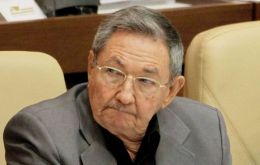
Cuba's plans to lay off half a million state workers by the end of March are behind schedule, President Raul Castro has acknowledged. Castro, quoted by state television, said the timetable for the cuts would be altered to soften their impact.
-
Wednesday, February 2nd 2011 - 14:30 UTC
Castro tells bureaucrats to end waste, improvisation and listen to people’s concerns
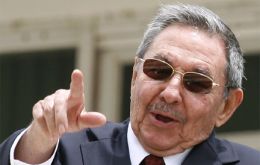
President Raul Castro called on the Cuban government to eliminate waste and provide more efficient and improved quality services while keeping “feet and ears on the ground” to closely listen to Cubans concerns regarding the economic reforms recently put into practice.
-
Thursday, January 6th 2011 - 23:14 UTC
Cuba: Massive cruise liner docks in La Havanna to much fanfare

A salsa band, dancing schoolchildren and showgirls in bikini tops and feather headdresses welcomed some 1,500 tourists on a British cruise liner that officials described as among the biggest ships to visit Cuba in years.