MercoPress. South Atlantic News Agency
Tag: Raúl Castro
-
Thursday, September 29th 2011 - 00:48 UTC
Raul Castro drops 50-year ban: Cubans allowed buying and selling cars
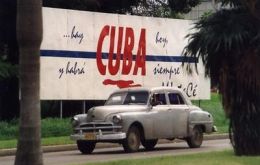
Cuba authorized auto sales among individuals Wednesday, easing a 50-year-old ban that has helped make the Castro brothers-ruled island a living museum of vintage cars.
-
Wednesday, September 21st 2011 - 22:08 UTC
Cuban regime warns “corrupt and corruptors”; close friend of Raul Castro family arrested
Cuba’s official press blasted the “corrupt and corruptors” more specifically “those scoundrels dressed in civil servant responsibilities” because they put at risk the island’s long struggle to make Socialism successful.
-
Wednesday, August 24th 2011 - 07:26 UTC
Impatient Raul Castro calls on Cubans “to clear our heads of ideological rigidity”

Cuban President Raul Castro is increasingly impatient with the slow implementation of his economic reforms, which he publicly blames mostly on bureaucratic sloth and resistance to change.
-
Monday, July 4th 2011 - 04:54 UTC
Government promises Cubans will be allowed to buy and sell their cars and homes
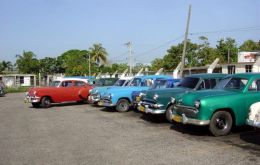
The authorities in Cuba have released more details of their plans to allow people to buy and sell their cars and homes for the first time in 50 years. The new laws will open up a private property market and enable Cubans to buy any car they can afford.
-
Friday, June 24th 2011 - 19:59 UTC
Venezuela’s Chavez health and prolonged recovery turns into political controversy

Two weeks after surgery in Cuba, Venezuela's President Hugo Chavez is “stronger than ever” but will not rush home until he is ready, announced Defence minister General Carlos Mata Figueroa.
-
Saturday, June 4th 2011 - 06:35 UTC
Raul Castro completes the octogenarian club to rejuvenate Cuban leadership
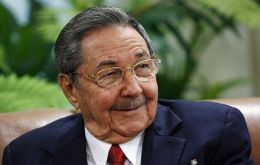
Cuban President Raul Castro turned 80 on Friday, vowing to rejuvenate the country's aging leadership and its sagging economy.
-
Sunday, May 29th 2011 - 20:00 UTC
Cuba “needs more than ever church blessings” to support reforms, says Raul
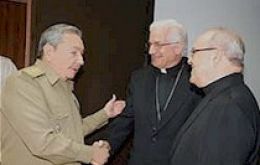
President Raul Castro said that Cuba currently “needs more than ever the blessings from its evangelic churches” to keep advancing with the reforms to update the exhausted economic model of the last fifty years, according to reports in the official Havana media.
-
Monday, May 23rd 2011 - 00:31 UTC
Over 300.000 Cubans have opted to work in the private sector as ‘self-employed’
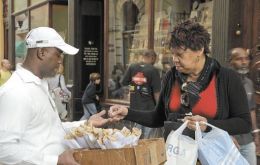
The number of Cubans working in the private sector continues to rise and now includes over 300,000 as a result of President Raul Castro government’s economic reforms that have been implemented since last October.
-
Tuesday, May 17th 2011 - 06:05 UTC
Cuba announces small private businesses can hire and fire labour
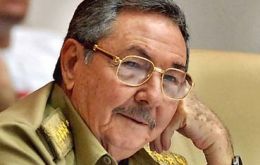
Cuba has given all small businesses the authority to hire (and fire) labour and will loosen other regulations governing private enterprise as part of the broader measures to reform the island’s economy and boost production, the government said in a statement.
-
Thursday, May 12th 2011 - 06:28 UTC
Cuban blacks and mulattos the main victims of Raul Castro’s reforms
Cuban blacks and mulattos will suffer the most with the elimination of a million government jobs, which could easily become a racial problem, consequence of the radical reforms imposed, and ‘must be addressed as a priority’, points out a report from Cuban academic Esteban Morales.