MercoPress. South Atlantic News Agency
United States
-
Wednesday, August 5th 2026 - 08:46 UTC
Brasília accuses Washington of seeking to interfere in the October elections
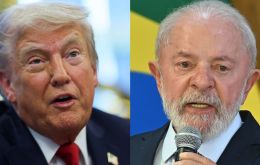
Brazil's government on Tuesday accused the United States of attempting to interfere in the October 4 presidential election, responding to the revocation of the visa of its ambassador in Washington, Maria Luiza Ribeiro Viotti.
-
Wednesday, August 5th 2026 - 08:22 UTC
Trump calls on US companies to lower gasoline prices, “Oil Prices Down, NOW!”
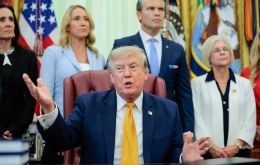
This Monday President Donald Trump demanded that U.S. oil companies immediately lower gasoline prices after crude futures plunged following his decision to suspend another planned military strike on Iran. In a Truth Social post, Trump instructed producers to “get your consumer (retail!) Oil Prices DOWN, NOW!”
-
Tuesday, August 4th 2026 - 23:19 UTC
US revokes Brazilian ambassador's visa over delay in accepting its envoy
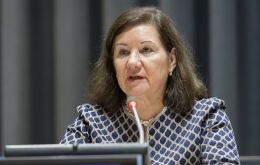
The United States has revoked the visa of Brazil's ambassador in Washington, Maria Luiza Ribeiro Viotti, in response to the Brazilian government's delay in granting diplomatic approval to the US ambassador designated for Brasília and to the denial of visas to several American diplomats, senior State Department officials said on Tuesday.
-
Monday, August 3rd 2026 - 23:14 UTC
Milei: the alliance with Washington is the “key” to sovereignty over the Falklands
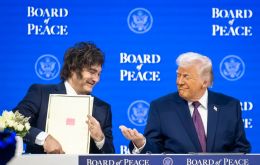
Argentine President Javier Milei said on Monday that his government's alignment with the United States will advance Argentina's sovereignty claim over the Falklands, in remarks to Radio Mitre.
-
Sunday, August 2nd 2026 - 20:00 UTC
Trump halts strikes on Iran as Tehran denies any deal exists
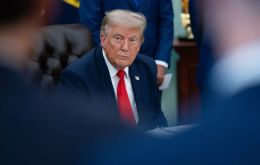
US President Donald Trump announced on Saturday that he was suspending further strikes on Iran, saying the broad terms of an understanding had been agreed, an account Iranian authorities rejected hours later.
-
Wednesday, July 29th 2026 - 22:54 UTC
US seeks Uruguay as destination for deported migrants; Montevideo stops short of confirming deal
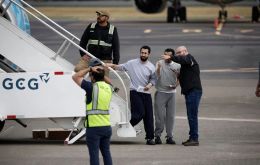
The United States government has been negotiating with Uruguay for months over the possibility that the South American country receive deported migrants, The New York Times reported on Wednesday. Uruguay's foreign ministry confirmed that talks are underway but said nothing has been settled and that the discussions are not limited to Cuban nationals.
-
Wednesday, July 29th 2026 - 20:24 UTC
Fed holds rates for fifth straight meeting as three officials push for a hike
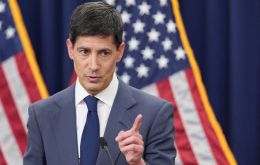
The US Federal Reserve left interest rates unchanged on Wednesday in a range of 3.5% to 3.75%, the fifth consecutive meeting without a move, in a decision that exposed an unusual internal split and left the door open to tightening in September.
-
Tuesday, July 28th 2026 - 20:57 UTC
Trump and Netanyahu meet at the White House as contacts to negotiate with Iran advance
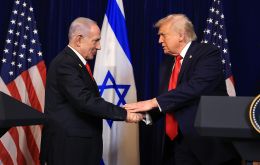
US President Donald Trump and Israeli Prime Minister Benjamin Netanyahu met on Tuesday for about 90 minutes at the White House, in their first encounter since the joint offensive against Iran began in February. The meeting was held behind closed doors, with no appearance before the press, as Washington seeks to revive negotiations with Tehran.
-
Monday, July 27th 2026 - 22:26 UTC
Trump asks the Supreme Court to allow his mail-voting restrictions before the midterms
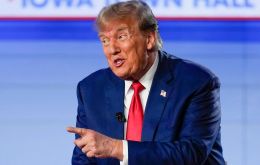
The US government on Monday filed an emergency request with the Supreme Court seeking authorization to implement President Donald Trump's executive order restricting mail-in voting, which lower courts have blocked. The request comes 99 days before November's midterm elections, which will determine control of Congress.
-
Monday, July 27th 2026 - 22:20 UTC
Milei announces Starlink deal to bring satellite internet to 6,000 rural schools

Argentine President Javier Milei announced an agreement between the National Communications Agency (Enacom) and Starlink to provide satellite connectivity to 6,000 rural schools that currently have poor internet access or no connection at all. The announcement was made on Sunday during the main event of the 138th International Livestock, Agriculture and Industry Exhibition in Buenos Aires.