MercoPress. South Atlantic News Agency
Agriculture
-
Saturday, March 2nd 2019 - 05:05 UTC
Falklands' most productive half acre and vegans' organic dream
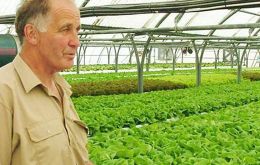
Tucked way under the hill and half hidden by 10,000 young trees it’s easy to forget how vast the area is covered by Stanley Growers Ltd. in the Falkland Islands, to the east of the capital Stanley.
-
Wednesday, February 27th 2019 - 09:17 UTC
Brazil says glyphosate is non-cancerous, but health risks remain for those exposed to the weed-killer
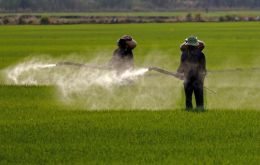
Analysts at Brazilian health agency Anvisa have determined that the weed-killer glyphosate does not cause cancer while recommending exposure limits as international pressure to reduce use of the chemical grows. Companies such as Bayer AG and its unit Monsanto, which produces glyphosate-based weed-killers, have faced legal challenges over allegations that glyphosate causes cancer. A new study published this month also links high exposure to cancer.
-
Tuesday, February 26th 2019 - 09:46 UTC
Re-evaluation of weed-killer glyphosate will be announced in Brazil on Tuesday
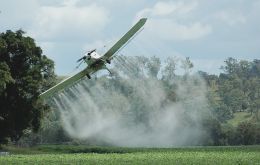
Brazil’s health agency has concluded a re-evaluation of the safety of the weed-killer glyphosate, the most widely-used agriculture chemical in the country, and will present the findings and recommended guidelines for its future use on Tuesday, an official said.
-
Monday, February 18th 2019 - 09:18 UTC
Brazilian soy crop estimate suffers small cut but corn is booming
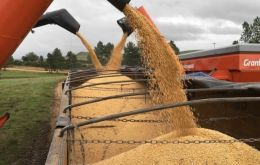
Brazilian agribusiness consultancy Safras & Mercado announced a small cut in its projection for the country’s 2018/2019 soybean crop in a statement on Friday, as weather stopped worsening in key growing regions. Safras cut its projection to 115.402 million tons from a 115.718 million-toe forecast in January, as the effects of a drought that has stressed fields subsided.
-
Friday, February 15th 2019 - 10:24 UTC
Agribusiness lobby in Brazil shows its muscle: US$ 52bn in subsidized farm loans
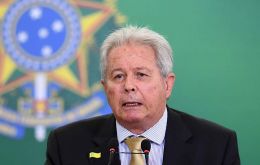
Brazil could double spending on subsidized farm insurance in 2020 and may expand subsidized loans, the country’s agriculture policy secretary said on Thursday; even though the new government’s economic team has pledged to cut spending.
-
Thursday, February 14th 2019 - 10:09 UTC
Brazilian fresh chicken recalled because of salmonella contamination
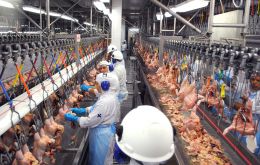
Brazilian food processor BRF SA on Wednesday recalled almost 500 tons of fresh chicken products produced at its Dourados plant citing possible salmonella contamination, a securities filing showed.
-
Wednesday, February 13th 2019 - 07:41 UTC
Hot and dry weather impacts on Brazil's 2018/19 soybean crop
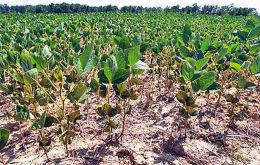
The Brazilian 2018-19 soybean crop will fall to 115.34 million tons, as the effects of hot and dry weather in December and January are gradually taken into account, national crop agency Conab said on Tuesday.
-
Tuesday, February 12th 2019 - 09:43 UTC
Tudder, the livestock Tinder, helps farmers find the perfect breeding for their cattle
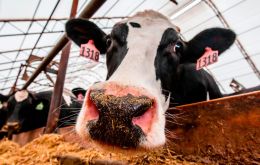
Following the example of dating and matchmaking Tinder, UK farming start-up Hectare has launched its own equivalent for livestock and called it Tudder. The app features data profiles of animals from 42,000 UK farms in an effort to help farmers find the perfect breeding partner for their cattle.
-
Tuesday, February 12th 2019 - 09:36 UTC
UK food industry blasts the “catastrophic impact” of a no-deal Brexit

The UK food industry has threatened to stop co-operating with government policy consultations, saying it is busy trying to stave off the “catastrophic impact” of a no-deal Brexit. The warning came in a letter to Environment Secretary Michael Gove from more than 30 business leaders.
-
Friday, February 8th 2019 - 08:30 UTC
Fears in Australia that hundreds of thousands of cattle could have died in record floods
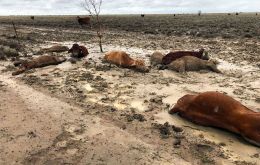
Hundreds of thousands of cattle weakened from a severe drought are feared to have died in record-breaking floods in northeastern Australia, authorities said on Friday, as they stepped up efforts to feed surviving livestock.
