MercoPress. South Atlantic News Agency
Agriculture
-
Monday, November 11th 2013 - 13:21 UTC
Brazil's 2013/14 crop estimated to reach in excess of 192.4 million tons
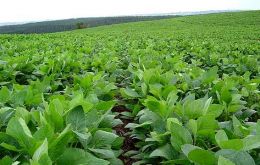
Brazil's coming 2013/14 grains and oilseeds harvest has been estimated between 192.4 and 196.6 million tons with an increase in the range of 3% to 5.3% over the previous crop which reached 186.8 million tons.
-
Saturday, November 9th 2013 - 17:55 UTC
Food commodity markets more balances and less price volatile, says FAO

Food commodity markets are becoming more balanced and less price volatile than in recent years thanks to improved supplies and a recovery in global inventories of cereals, according to FAO's Food Outlook report published on Friday.
-
Friday, November 1st 2013 - 08:48 UTC
Experts dismiss forecasts of soaring wine prices: worldwide production on the rise

In a much-publicized report released Wednesday, US bank Morgan Stanley said that a worldwide fall in production and growing thirst for wine among Chinese and Americans would send prices rocketing. However industry experts say worldwide production actually rose this year.
-
Thursday, October 31st 2013 - 03:49 UTC
Greater ports congestion forecasted in Brazil with record soy crop and delayed sugar shipments

Brazil’s delays loading soybeans for export may worsen in 2014 due to a bigger crop and as some grain facilities are used for sugar shipments, crop analyst Soybean & Corn Advisor Inc. said.
-
Saturday, October 26th 2013 - 00:39 UTC
Cartes pledges motivation and support for those who help create wealth and jobs

President Horacio Cartes said on Friday he wanted “a reliable and serious Paraguay, full of self esteem” taking advantage of the good economic times and pledged motivation and support for all those who help generate wealth and jobs for the country. However he also admitted that Paraguay has serious failings, “but problems are challenges and opportunities”.
-
Wednesday, October 23rd 2013 - 20:51 UTC
Wheat shortage in Argentina has seen bread prices skyrocket; Buenos Aires ton price is double Chicago's
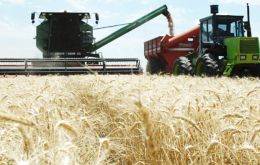
In the last few days the Argentine news media has been focusing on the fact that there does not seem to be enough wheat or corn to go around, which is driving prices higher and causing concern for the users of these grains. This is particularly true for bakeries which have been forced to charge soaring prices for bread.
-
Wednesday, October 23rd 2013 - 16:22 UTC
Monsanto and its glyphosate weed-killer embroiled in controversy in Argentina

Monsanto Co. is calling for more controls on agrochemicals, including its Roundup line of glyphosate-based weed-killers, in response to an Associated Press report about concerns that illegal pesticide applications are harming human health in Argentina.
-
Tuesday, October 22nd 2013 - 22:59 UTC
EU imposes punitive duties on biodiesel from Argentina alleging dumping

European Union member states agreed to impose punitive duties on imports of biodiesel from Argentina and Indonesia, which are accused of selling it into the bloc at unfairly low prices, according to diplomats. Argentina has anticipated it will take the case to the World Trade Organization.
-
Saturday, October 19th 2013 - 15:58 UTC
Argentine bio-diesel exports to EU threatened by new duties: EC votes on Tuesday

Argentina's bio-diesel industry warned it faces collapse if Europe makes good on a threat to impose stiff duties on their product next month. The European Commission earlier this month moved to raise duties on Argentine and Indonesian bio-fuels in response to alleged dumping.
-
Saturday, October 19th 2013 - 15:40 UTC
Fire ravages Brazil’s main sugar terminal paralyzing operations and boosting prices to a year high

A fire in Santos ravaged Copersucar's sugar terminal in Brazil, paralyzing operations of the world's biggest sugar trader and putting 10 million tons of export capacity offline for six months or more.
