MercoPress. South Atlantic News Agency
Brazil
-
Thursday, January 29th 2015 - 07:23 UTC
Petrobras releases long delayed 3Q results but did not include reserves for corruption scandal
Brazil’s embattled Petrobras released its long delayed third quarter results Wednesday but did not include any reserves tied to an ongoing corruption scandal that has already landed three former executives in jail. The company recorded a third quarter 2014 net profit of 1.18 billion dollars, down from 1.32 billion during the same period last year.
-
Thursday, January 29th 2015 - 07:17 UTC
Consumer confidence in Brazil drops in January to its lowest
The reading of consumer confidence dropped in Brazil in January--to its lowest level ever--as the country's economy struggled. Brazil's main consumer-confidence index was at 89.8 points in January, down from 96.2 points in December, the Getulio Vargas Foundation, or FGV, said earlier this week.
-
Wednesday, January 28th 2015 - 07:40 UTC
Rousseff calls on fractious cabinet to embrace belt-tightening to restore growth
Brazil's President Dilma Rousseff has urged her cabinet to embrace fiscal belt-tightening and other measures aimed at restoring business confidence and growth in her second term.
-
Monday, January 26th 2015 - 08:34 UTC
Brazil supportive of Mercosur “as long as it does not turn into a burden”
Brazil is ready to preserve the advances achieved by Mercosur but as long as the block does not turn into 'a burden' when it comes to negotiate trade agreements with third parties, according to Agriculture minister Katia Abreu.
-
Saturday, January 24th 2015 - 05:32 UTC
Argentina's CARI ranked as the highest Spanish language think-tank globally

Two of the world’s leading 40 think-tanks are from Latin America, with the top spot in the region going to Brazil’s Fundação Getúlio Vargas. However Argentina's Council for International Relations, CARI, was ranked as the highest Spanish language think-tank on a global scale according to a report from the University of Pennsylvania Lauder Institute.
-
Thursday, January 22nd 2015 - 06:39 UTC
Brazil central bank increases basic rate to 12,25%, highest since August 2011

Brazil's central bank raised interest rates to a more than three-year high on Wednesday, maintaining an aggressive pace of monetary tightening to contain high inflation, help the economy back on its tracks and win investors disillusioned with the once-booming economy.
-
Thursday, January 22nd 2015 - 06:09 UTC
Right to sunbathe topless triggers spontaneous protest in Rio beaches
A scantily clad group of female protesters drew a heavily breathing gaggle of journalists and cell-phone wielding onlookers to the beaches of Rio de Janeiro. The protest was not meant to draw attention to another corruption scandal, police killing, or unwanted hike in transit fares, rather demand women’s right to sunbathe topless, a cause that most of the onlookers appeared to support.
-
Tuesday, January 20th 2015 - 05:48 UTC
Party is over in Brazil: increase in fuel, tax on consumer loans and imports
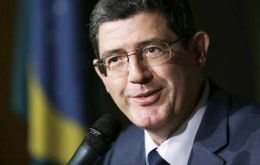
Brazil on Monday announced tax increases on fuel, imports and consumer loans aimed at raising 20.6 billion Reais (7.7bn dollars) in additional revenues this year. The plan is part of an effort to help balance budget accounts and revive investor confidence, Finance Minister Joaquim Levy said at a news conference.
-
Tuesday, January 20th 2015 - 05:27 UTC
Heat wave in Brazil forces power cuts; to recover fragile system rates could increase by 60%
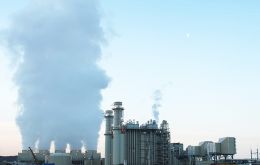
Rolling blackouts swept across parts of Brazil as the grid operator ordered select power cuts to avoid a larger crisis, drawing attention to a fragile electric system that is buckling under the strains of record-breaking heat and dryness.
-
Monday, January 19th 2015 - 07:10 UTC
Brazil central bank expected to raise interest rates this week for third time running
Brazil's central bank is expected to raise interest rates for a third straight meeting this week to quell any doubts about its commitment to ending years of high inflation.