MercoPress. South Atlantic News Agency
Brazil
-
Wednesday, November 21st 2012 - 20:49 UTC
Brazil’s development bank sees economy picking up as loan requests increase
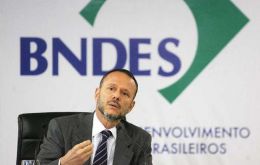
Company inquiries about tapping Brazil's BNDES state development bank for loans is up 30% the past two months, a strong sign of potential growth in the near future for a sluggish economy, the bank's president revealed in the US.
-
Wednesday, November 21st 2012 - 20:07 UTC
Brazil increases gold holdings to 52.5 tons, according to the IMF
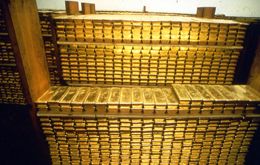
Brazil increased gold reserves for a second month in October to the highest level in more than 11 years as emerging nations from Kazakhstan to Russia boosted holdings by more than 40 metric tons.
-
Thursday, November 15th 2012 - 07:18 UTC
Brazilian economy picks up in third quarter, but doubts remain

The Brazilian economy gained speed in the third quarter central bank data showed on Wednesday, but weaker activity in September suggests that there are still many question marks ahead.
-
Wednesday, November 14th 2012 - 07:05 UTC
Argentines can expect a ‘salt-less’ summer when they turn out to the Atlantic coast

An estimated 20.000 restaurants, hotels and fast food places in the province of Buenos Aires Atlantic beaches have agreed to eliminate salt from tables as part of a campaign to help combat the excess consumption of sodium and related diseases such as high blood pressure and cerebrovascular accidents, CVA
-
Wednesday, November 14th 2012 - 00:42 UTC
Sao Paulo turned into a shoot out battle ground between drug lords and the police
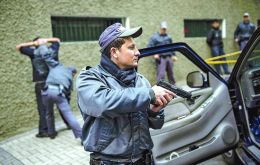
The wave of killings in South America’s largest city, Sao Paulo is attributed to a resurgence of attacks from the criminal gang PCC (First Command of the Capital) against the police, which is also involved in reprisals turning the Brazilian metropolis into one of the most violent in the country.
-
Tuesday, November 13th 2012 - 23:04 UTC
Brazil orange shipments to EU suspended after samples of black spot fungus found

Orange shipments from Brazil to the European Union were suspended after EU officials found samples with black spot fungus, a Brazilian government official said.
-
Tuesday, November 13th 2012 - 22:53 UTC
Argentines and Brazilians pay the most tax in Latam, says OECD

Argentines and Brazilians pay the most tax in Latin America while Venezuelans pay the least, according to a report from the Organisation for Economic Co-operation and Development (OECD), released on Tuesday.
-
Tuesday, November 13th 2012 - 20:51 UTC
Latam rapidly turning into middle class continent, says World Bank
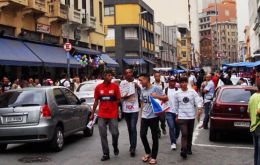
A World Bank report released Tuesday found that Latin America and the Caribbean registered a 50% jump in the number of people joining the middle class during the last decade, which was called by economists an historic achievement for a region long exposed to wealth inequality.
-
Tuesday, November 13th 2012 - 03:40 UTC
Brazil and Argentina sign ‘combined military operations’ agreement

Brazil announced on Monday its first agreement on combined operations with Argentina which will allow the two countries forces to act jointly in catastrophe situations and peace missions.
-
Tuesday, November 13th 2012 - 00:05 UTC
Lula da Silva former chief of staff sentenced to 10 years in prison for corruption
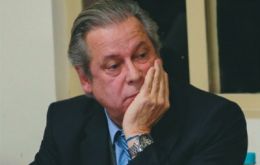
The chief of staff to former President Lula da Silva, and fellow founder of Brazil's ruling Workers' Party, was sentenced to over 10 years in prison for running a congressional vote buying scheme almost a decade ago.

