MercoPress. South Atlantic News Agency
Economy
-
Thursday, March 31st 2016 - 15:28 UTC
Singapore's Changai best world airport; three Japanese terminals in top ten

Singapore’s Changi Airport has been named the best airport in the world for the fourth consecutive year in Skytrax’s World Airport Awards. Changi, which bagged the top spot for the seventh time, also won for best airport for leisure amenities and was hard to beat with a rooftop swimming pool and spa, free 24-hour cinema, and even butterfly and cactus gardens.
-
Thursday, March 31st 2016 - 08:25 UTC
Chile confirms the loss of 39.000 tons of salmon equivalent to toxic algae
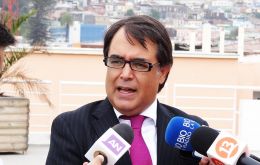
Some 25 million of fish -- equivalent to 39,942 tons of dead biomass -- was the final balance of the emergency caused by algae bloom in 45 farms in the salmon farms of the southern region of Chile, Los Lagos, reported SERNAPESCA, director José Miguel Burgos. A several month’s bloom of toxic algae causes ravage in south Chile salmon and trout farms.
-
Thursday, March 31st 2016 - 06:37 UTC
Three mega-cruise vessels with 14.000 passengers coincide at St. Kitts and Nevis

Three mega luxury cruise liners – Oasis of the Seas, Navigator of the Seas, and Costa Favalosa coincides this week with close to 14,000 passengers at the Caribbean islands of St. Kitts and Nevis and, along with them, hopes of increased business for locals. The capital Basseterre and its environs were bustling with string-band musicians, taxi-drivers competing for tours, tourists soaking up the sun, restaurants and stores full of visitors, and vendors busily plying their trade.
-
Wednesday, March 30th 2016 - 08:32 UTC
Brazil Finance minister disregards calls from Lula for tax breaks and more credit
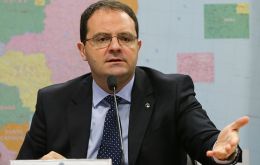
Brazilian Finance Minister Nelson Barbosa said on Tuesday it is not the time for more tax breaks, disagreeing publicly with former president Lula da Silva's call for fiscal stimulus to revive a moribund economy.
-
Wednesday, March 30th 2016 - 08:23 UTC
Yellen says the Fed will 'proceed cautiously' and in no hurry to raise interest rate
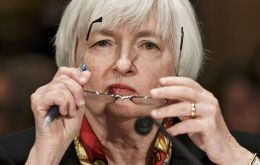
Federal Reserve Chair Janet Yellen said on Tuesday that the Fed still envisions a gradual pace of interest rate increases in light of global pressures that could weigh on the economy. Yellen did not specify a timetable for further hikes to follow the Fed's rate increase in December from record lows. She said the risks to the United States remain limited but cautions that assessment is subject to “considerable uncertainty.”
-
Wednesday, March 30th 2016 - 08:00 UTC
Argentina wins a first round at the WTO over a biodiesel controversy with the EU
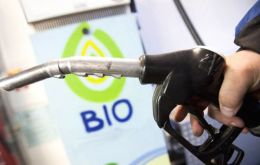
The World Trade Organization (WTO) ruled on Tuesday in favor of Argentina in a series of complaints the country filed with the international body, challenging punitive duties by the European Union on its biodiesel imports. The WTO, however, said the EU was not violating its rules.
-
Monday, March 28th 2016 - 06:16 UTC
Argentina: Month long conflict has Ushuaia paralyzed and under “siege” by pickets

A labor judge from Tierra del Fuego in the extreme south of Argentina was unable to unlock a 25-day conflict between the provincial government and striking public employees since both sides stood by their position and rejected conciliation efforts.
-
Monday, March 28th 2016 - 05:47 UTC
Macri visit to China in September: the strategic relation with Beijing stands, says Argentine ambassador
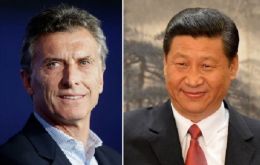
Argentine ambassador to Beijing Diego Guelar confirmed a meeting between President Mauricio Macri and his Chinese counterpart Xi Jinping next April first on the margins of the Nuclear Security Summit that begins next week in Washington and anticipated an official visit to China by Macri in September.
-
Saturday, March 26th 2016 - 07:15 UTC
Mercosur prepares to celebrate 25th anniversary hoping it can be 'reborn' under Argentine leadership

On Saturday 26 March the Asuncion Treaty, which gave birth to Mercosur, the Common Market of the South, will be 25, and even with celebration plans the mood of its members is not enthusiastic following years of “too much ideology” and “too little trade and business”, distant from the original idea and purpose.
-
Friday, March 25th 2016 - 05:26 UTC
Unemployment in Brazil reaches 9.5%, the highest level since 2012
Unemployment in Latin America's largest country is at its highest level since 2012, the Brazilian government said on Thursday. Brazil's IBGE statistics bureau said that the jobless rate in the three months through January was 9.5%, compared to the 6.8% in the same period one year ago.

