MercoPress. South Atlantic News Agency
Entertainment
-
Tuesday, June 3rd 2014 - 05:39 UTC
Rio mayor: be sure when you arrive in Brazil it's not England or London
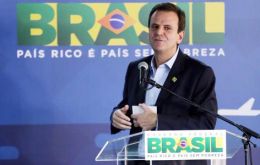
Those travelling to Brazil imagining they have arrived in England or those coming to Rio imagining to be in London “will undergo a frustrating experience” said Eduardo Paes, mayor of Rio do Janeiro, one of the cities to host the World Cup and the 2016 Olympics.
-
Monday, June 2nd 2014 - 07:48 UTC
.Qatar vehemently denies corruption claims in the bid for hosting 2022 World Cup

Qatari organizers of soccer's 2022 World Cup have “vehemently” denied accusations their successful bid was corrupt, saying its lawyers were looking into claims made by a British Sunday newspaper.
-
Friday, May 30th 2014 - 22:11 UTC
End protests against the World Cup, “whatever money has gone has been spent or stolen already”

The grand-daughter of former FIFA president Joao Havelange has stepped into the war of words over Brazil's World Cup preparations unabashedly telling protestors angry at the tournament's massive budget to get over it because some money had already been “spent” or “stolen” or “robbed.”
-
Friday, May 30th 2014 - 22:02 UTC
Brazuca ball less erratic than the Jabulani used at South Africa, say Japanese scientists

Scientists in Japan say the Brazuca 2014 World Cup ball will be less erratic than the Jabulani used at South Africa 2010. The Brazuca is the 12th World Cup match ball designed by Adidas. The Jabulani was criticized for its light weight and unpredictability.
-
Thursday, May 29th 2014 - 22:06 UTC
Rousseff sends the Army to safeguard airports and hotels hosting national teams
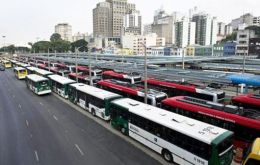
Brazilian president Dilma Rousseff ordered the Army, which already occupies several of the favelas (shanty towns) in Rio do Janeiro to move in and take responsibility for airports and hotels that will be hosting the 32 national teams competing for the World Cup.
-
Wednesday, May 28th 2014 - 08:24 UTC
State of emergency because of floods in Manaus, where England plays Italy

Brazilian World Cup host city Manaus has declared a state of emergency as the waters of an Amazon River tributary swell, although officials say they do not expect it to flood.
-
Wednesday, May 28th 2014 - 00:15 UTC
FBI helps train Sao Paulo police officers in crowd control strategies and use of force
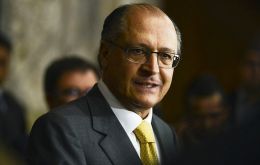
Fifty police officers from the Brazilian city of Sao Paulo were recently trained in crowd control strategies, the use of force, and more by the FBI. The upcoming FIFA World Cup was the driving force behind organizing the five-day workshop. Other topics addressed include decision making, interacting with media, and use of intelligence in identifying acts of vandalism.
-
Tuesday, May 27th 2014 - 09:14 UTC
Brazilian protests extend to the national team as it left Rio airport
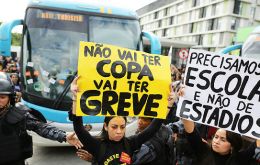
Brazil's World Cup squad were forced to avoid a group of 200 striking teachers on Monday as they headed for their tournament base camp against a backdrop of public anger over the cost of staging the event.
-
Monday, May 26th 2014 - 06:33 UTC
Brazil: Furious Dilma fires back at World Cup criticism from soccer star Ronaldo
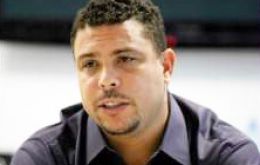
President Dilma Rousseff hit back over the weekend at criticism voiced by former soccer star Ronaldo over mishandled preparations for the World Cup. In an interview with Reuters Ronaldo lamented that many infrastructure projects promised for the tournament were significantly delayed, scaled-down, or canceled, while some stadiums remain unfinished just over two weeks from kick-off.
-
Saturday, May 24th 2014 - 07:39 UTC
FIFA warns about buying World Cup tickets from unauthorized sellers

FIFA has told fans buying World Cup tickets from unauthorized sellers that they could be barred from stadiums. Three weeks from the opening match, FIFA said yesterday that it “cancels tickets discovered as illegally sold or re-sold with the bearers risking not being permitted entry.” FIFA marketing director Thierry Weil said some fans have already been affected.
