MercoPress. South Atlantic News Agency
Environment
-
Thursday, June 14th 2018 - 07:24 UTC
Antarctica ice sheet melting faster than expected, adding 0.6mm to sea level every year
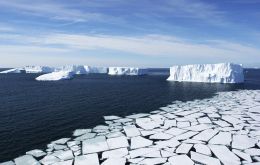
The Antarctic ice sheet has lost more than 2,500 billion tons of ice in the past 25 years and nearly half of that has happened since 2012. An international team of polar scientists found that melting in Antarctica has jumped sharply from an average of 76 billion tons per year prior to 2012, to around 219 billion tones each year between 2012 and 2017.
-
Friday, June 8th 2018 - 11:46 UTC
Falklands government to focus on family-friendly legislation in 2018/19
In setting its legislative priorities for the next twelve months, the Falkland Islands Government has signalled an intention to focus on legislation of interest to families. The Islands are internally self-governing, with much law created locally or adapted from elsewhere in the world. The program for the next year was published this week alongside their fiscal budget for the year.
-
Friday, June 8th 2018 - 08:18 UTC
Friend of the Sea remembers “ship strikes” between vessels and cetaceans remain unnoticed and unreported
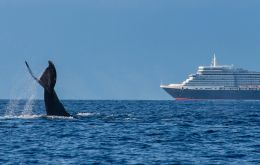
On occasion of the World Oceans Day, international NGO Friend of the Sea calls both the shipping industry and consumers to take actions to prevent ship strikes
-
Friday, June 8th 2018 - 07:25 UTC
2018 World Oceans Day theme: “Clean our Ocean!”
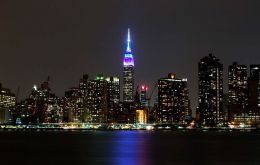
The United Nations celebrates World Oceans Day every year on June 8. As part of the celebrations, the Office of Legal Affairs, Division for Ocean Affairs and the Law of the Sea organizes several events and hosts a reception at United Nations Headquarters in New York City, where the Secretary-General’s Annual World Oceans Day Message is delivered and the winners of the Annual World Oceans Day Oceanic Photo Competition are announced.
-
Friday, June 8th 2018 - 06:48 UTC
Falklands confirms exchange of fisheries data with Argentina will resume “in short order”
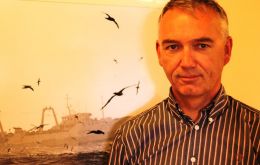
The Falkland Islands Director of Natural Resources John Barton confirmed this week that exchange of fisheries data will resume “in short order” following the resumption of fisheries talks with Argentina last month. Mr. Barton confirmed that proposals for joint research cruises are being drawn up and another meeting has been scheduled to take place in London in late 2018.
-
Wednesday, June 6th 2018 - 19:25 UTC
New Waste Management Strategy for the Falkland Islands
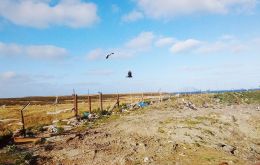
Today the Falkland Islands Government announced the adoption of a new Waste Management strategy for the Islands.
-
Wednesday, June 6th 2018 - 14:09 UTC
Falkland Islands Reception in London
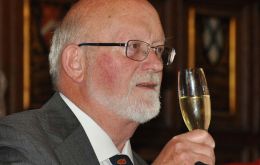
Marking another successful year, the Annual Falkland Islands Government Reception took place on Tuesday 5th June at Middle Temple, London. Islanders in Britain, their friends and supporters, politicians, and veterans of the 1982 war of liberation met in high spirits.
-
Wednesday, June 6th 2018 - 07:38 UTC
Guatemala devastating Fuego volcano showing signs of greater activity
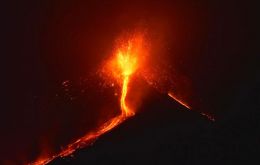
Guatemalan authorities warned that the Fuego volcano was showing signs of greater activity on Tuesday night as the death toll from a devastating eruption at the weekend climbed to 75 and nearly 200 people remained missing.
-
Wednesday, June 6th 2018 - 07:32 UTC
UN is asking you, companies and civil society groups to help to clean up our environment
Humans are both creatures and molders of their environment, which gives them physical sustenance and affords them the opportunity for intellectual, moral, social and spiritual growth.
-
Wednesday, June 6th 2018 - 07:26 UTC
World Environment Day: Beat Plastic Pollution
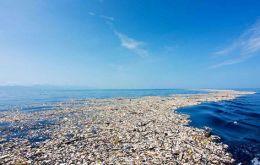
United Nations Secretary General Antonio Guterres message on World Environment Day:”A healthy planet is essential for a prosperous and peaceful future. We all have a role to play in protecting our only home, but it can be difficult to know what to do or where to start. That’s why this World Environment Day has just one request: beat plastic pollution.