MercoPress. South Atlantic News Agency
Environment
-
Tuesday, August 3rd 2010 - 15:37 UTC
Southern Chile Commerson dolphins’ population falls dramatically
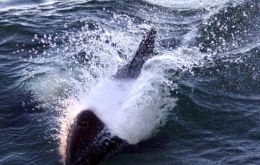
A recent study showed a reduction in the population of Commerson’s Dolphins living in the southern tip of Chile. Commerson’s are also known as Panda Dolphins (or Tonina Overa in Spanish).
-
Tuesday, August 3rd 2010 - 15:28 UTC
Brazil greens claim 300.000 sharks have been killed for their fins
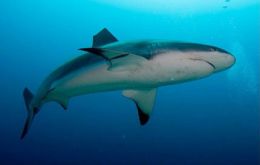
Demand for shark fin soup in Asia has been blamed for the illegal killing of nearly 300,000 sharks off Brazil, an environmental group has alleged. The Environmental Justice Institute in Brazil has accused a seafood exporter (Siglo do Brasil Comercio) of illegally killing nearly 300,000 sharks.
-
Tuesday, August 3rd 2010 - 05:50 UTC
Santiago suffering the coldest July since 1908: 2 degrees below monthly average

Santiago just had the coldest July since 1908 with an average temperature of 6 degrees Celsius. That is 2 degrees under the usual monthly average, according to the Department of Geophysics of the University of Chile.
-
Saturday, July 31st 2010 - 05:23 UTC
Brutal slaughter of pilot whales in Denmark’s Faroe Islands
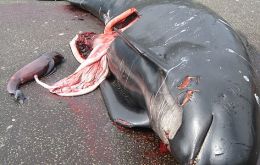
The disembowelled bodies of brutally slaughtered whales line a dockside just 230 miles from Britain - as families with children wander among them, according to a report from The Sun.
-
Thursday, July 29th 2010 - 05:48 UTC
Galapagos Islands removed from list of endangered sites
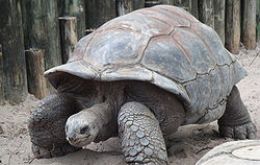
The United Nations Educational, Scientific and Cultural Organization (UNESCO) World Heritage Committee (WHC) Wednesday removed the Galapagos Islands (belonging to Ecuador) from its list of endangered sites, reported the organization currently holding its 34th session in Brazil.
-
Thursday, July 29th 2010 - 05:43 UTC
UN General Assembly declare access to clean water a human right

Safe and clean drinking water and sanitation is a human right essential to the full enjoyment of life and all other human rights, the General Assembly declared Wednesday, voicing deep concern that almost 900 million people worldwide do not have access to clean water.
-
Thursday, July 29th 2010 - 05:36 UTC
UK Overseas Territories “fifth in world league table of bird extinctions”
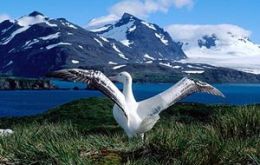
Put together the UK’s 16 Overseas Territories (including Falklands and South Georgia) are fifth in the world league table of bird extinctions, with at least ten species from the territories going to oblivion since 1500AD, partially or wholly because of the impact of non-native mammals, such as rats, feral cats, mice and pigs, according to BirdLife International site.
-
Thursday, July 29th 2010 - 00:49 UTC
Mujica and CFK announce agreement to jointly monitor the River Uruguay
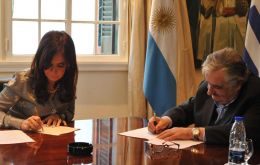
Uruguay and Argentina finally reached on Wednesday an agreement for the joint monitoring of the River Uruguay which should end the long-standing dispute over the construction of the Finnish UPM/Botnia pulp mill dating back to 2005.
-
Tuesday, July 27th 2010 - 04:42 UTC
Brazilian Indians protesting construction of Amazon dam release hostages
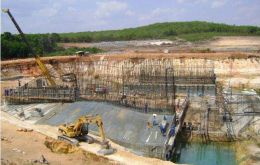
The Brazilian Indians who occupied the construction site of a hydroelectric dam and took more than 150 workers hostage in the far southern portion of the country’s Amazon region on Monday have released the last five people they were holding, a government spokesman said.
-
Monday, July 26th 2010 - 22:38 UTC
Indians seize controversial dam under construction in Brazil’s Amazon jungle
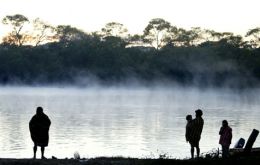
A group of about 300 Indians from 11 different groups on Sunday seized a controversial dam that is under construction in Brazil’s Amazon jungle and took about 100 workers hostage, officials said.

