MercoPress. South Atlantic News Agency
International
-
Sunday, March 20th 2011 - 01:23 UTC
US, UK and France begin bombing Libyan military targets following UN resolution

The US, UK and France on Saturday began attacking Libya as enforcement of the UN-mandated no-fly zone gets under way. Pentagon officials say the US and the UK have fired more than 110 missiles.
-
Friday, March 18th 2011 - 16:46 UTC
EU/Mercosur negotiations stumble, but both sides determined to continue

The fourth round of European Union/Mercosur negotiations for a trade agreement concluded in Brussels Friday with no major advances which could be a setback for the original plan to have a deal sealed by the end of the year.
-
Friday, March 18th 2011 - 04:05 UTC
US, UK, France prepare to implement UN Security Council no-fly zone over Libya

United States President Barack Obama called his British and French counterparts on Thursday and the three agreed Libya must comply with a new U.N. Security Council resolution, the White House said.
Obama, British Prime Minister David Cameron and French President Nicolas Sarkozy also agreed that violence against the civilian population of Libya must cease. -
Friday, March 18th 2011 - 03:45 UTC
Wikileaks: Argentina’s self centred attitude almost had her thrown out of G20

Disappointed and shocked with the self-centred performance of President Cristina Kirchner at the G-20 summit in Washington in 2008, a group of powerful countries seriously considered kicking Argentina out of the industrialized and emerging countries’ Group of Twenty.
-
Friday, March 18th 2011 - 03:29 UTC
If power is restored and if pumps work Fukushima reactor could be cooled
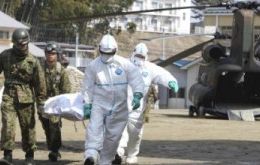
Engineers at Japan's stricken Fukushima nuclear power plant have managed to lay a cable to reactor 2, the UN's nuclear watchdog reports. Restoring power should enable engineers to restart the pumps which send coolant over the reactor.
-
Thursday, March 17th 2011 - 15:27 UTC
Brazilian industry creates a Chinese Studies Centre to monitor bilateral trade
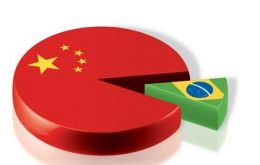
Brazil’s powerful Federation of Industries of Sao Paulo State (Fiesp) is set to create a Chinese Studies Centre in partnership with the federal government, the president of the federation said in Sao Paulo.
-
Thursday, March 17th 2011 - 07:44 UTC
Japanese tsunami surprises Midway atoll killing thousands of albatrosses
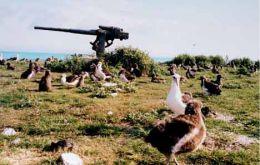
Thousands of albatrosses and other endangered species at a wildlife sanctuary north-west of Hawaii have been killed by the tsunami which devastated Japan, US officials say.
-
Wednesday, March 16th 2011 - 23:28 UTC
UK unemployment hits 17-year high: 2.5 million Brits out of a job

The number of unemployed in the UK has hit a 17-year high of more than 2.5 million and pushed the unemployment rate to 8%, official data showed Wednesday.
-
Wednesday, March 16th 2011 - 23:25 UTC
Wikileads cables reveal Japan was warned about poor safety at nuclear plants
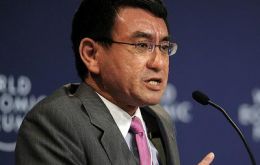
As concerns about a meltdown at the Fukushima plant escalate, Britain’s the Telegraph revealed a series of two-year-old cables the paper obtained from Wikileaks that show unnamed experts telling Japanese officials they needed to update their nuclear safety protocols.
-
Wednesday, March 16th 2011 - 15:05 UTC
WHO: radiation risk in Japan limited to area next to damaged nuclear plant
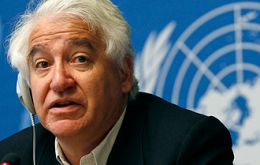
The risk of the contamination of food products from nuclear radiation in Japan is limited to the specific area surrounding the damaged nuclear plant, according to a source from the World Health Organization (WHO).