MercoPress. South Atlantic News Agency
Politics
-
Wednesday, May 25th 2016 - 08:35 UTC
Argentine government agrees a 400% cap on natural gas hikes for Patagonia provinces
The Argentine government has announced a cap on hikes to natural gas prices for the country’s southernmost provinces, after pushback from governors, the Judiciary and even local demonstrators prompted Energy Minister Juan Jose Aranguren to reconsider the scope of his most recent reforms.
-
Wednesday, May 25th 2016 - 06:50 UTC
Macri's administration admits the Catholic church criticism of Argentina's 'labor market fragility'
Leaders from Argentina's ruling “Let‘s Change” (Cambiemos) administration acknowledged on Tuesday that the country is “going through the worst time” yet since president Mauricio Macri took office but also underlined all the measures that have been taken over the last few months to overcome the situation.
-
Wednesday, May 25th 2016 - 06:18 UTC
Venezuela next Mercosur chair, but Uruguay will continue leading negotiations with EU
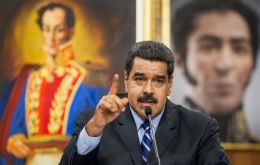
Venezuela, in the midst of a most serious domestic political and economic situation, and with less foreign allies is scheduled to take the chair of Mercosur as of next June for the following six months. However it has been agreed that Uruguay will continue leading Mercosur negotiations with the European Union for a much delayed wide ranging cooperation and trade agreement.
-
Wednesday, May 25th 2016 - 05:58 UTC
Temer announces tough austerity measures but needs to show Congress supports him
Brazil's interim president announced austerity measures on Tuesday aimed at pulling Latin America's largest economy from its worst crisis in decades, warning that a failure to act would sentence future generations to “extraordinary hardship.” Speaking with government leaders in a national televised meeting, interim president Michel Temer, 75, also banged his hand on the table while insisting he was up to the job.
-
Tuesday, May 24th 2016 - 08:52 UTC
St Helena celebrates the new airport on her 514th discovery anniversary
2016 St Helena’s Day celebrations were this year held on Friday 20 May 2016, and were reckoned by all to be a great success. Once again organized by New Horizons and held in lower Jamestown, traditional activities and stalls were arranged in both the Mule Yard and along the Seafront area.
-
Tuesday, May 24th 2016 - 08:30 UTC
US tire maker leaves Venezuela after six decades in the country
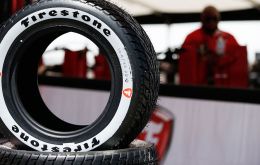
United States tire maker Bridgestone is selling its business in Venezuela after six decades in the country, the latest blue chip company to abandon the country as a result of runaway inflation and strict currency controls. Bridgestone Americas said in a statement Monday that it is selling its Venezuela assets to Grupo Corimon, a local industrialist. It says the company will be called Alice Neumaticos de Venezuela.
-
Tuesday, May 24th 2016 - 08:18 UTC
Brazil and Argentina to work together to help find a solution to Venezuela
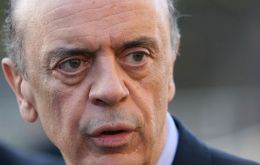
Brazil and Argentina will work together to help find a solution to Venezuela's political crisis, Brazil's acting foreign minister said on Monday. Venezuela is facing a severe economic crisis, with the world's highest inflation and shortages. Polls indicate most Venezuelans want President Nicolas Maduro out of office.
-
Tuesday, May 24th 2016 - 08:05 UTC
Macri's Argentina and Temer's Brazil seal close political and working relationship
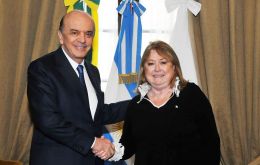
Argentina and the new interim government of Brazil sealed this Monday their close relationship when foreign minister Jose Serra in a brief visit to Buenos Aires, his first overseas trip, met privately with President Mauricio Macri. . Earlier in the day the Brazilian official signed a memorandum of understanding for a bilateral mechanism of political coordination with his peer Susana Malcorra.
-
Tuesday, May 24th 2016 - 05:34 UTC
Temer loses top minister to Petrobras scandal: recordings expose plans to obstruct investigation
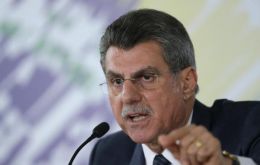
Brazil's Planning Minister Romero Juca said on Monday he will temporarily step down after a newspaper published recordings of him discussing plans to obstruct the country's biggest-ever corruption investigation, which includes him among its targets.
-
Tuesday, May 24th 2016 - 05:25 UTC
Francis resumes dialogue in the Vatican with the higherst authority of Sunni Islam
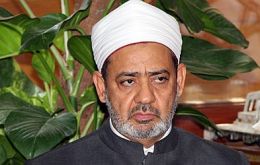
Francis has met the grand imam of Cairo's al-Azhar mosque after a five-year pause in dialogue between the Roman Catholic Church and the mosque, the highest authority of Sunni Islam. Sheikh Ahmed al-Tayeb visited the Vatican en route to a Paris conference involving Muslims and Catholics.