MercoPress. South Atlantic News Agency
Politics
-
Friday, November 7th 2014 - 05:11 UTC
ECB ready to give the Euro zone further economic stimulus
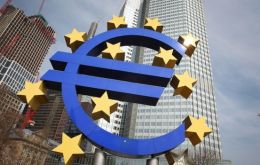
The president of the European Central Bank (ECB), Mario Draghi, says the bank stands ready to give the Euro zone further economic stimulus “should it become necessary”. The comments boosted shares in Europe. It also prompted a fall for the euro, with analysts increasingly braced for more dramatic stimulus measures.
-
Thursday, November 6th 2014 - 21:50 UTC
Falklands oil industry regulated by UK North Sea standards, one of the highest in the world
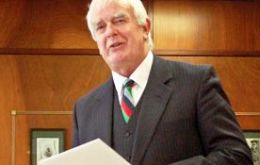
The elected government of the Falkland Islands has strongly refuted remarks by Argentine official 'Malvinas Secretary' Daniel Filmus, published in The Guardian, in which he states that hydrocarbons activities in the Falklands are environmentally reckless, and describes Filmus words as “yet another example of the Argentine's government futile efforts to damage the Falklands economy”
-
Thursday, November 6th 2014 - 08:02 UTC
Australia confident of Antarctic Marine Protected Areas approval in 2015

Australia will continue to push for Marine Protected Areas (MPAs) off East Antarctica despite the proposal not being adopted at the annual Commission for the Conservation of the Antarctic Marine Living Resources, (CCAMLR) which last month met in Hobart, Tasmania.
-
Thursday, November 6th 2014 - 07:52 UTC
YPF manages significant increases in output and profits in the third quarter
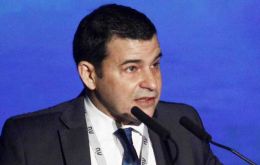
Argentina's state-controlled oil firm YPF hydrocarbons' production in the third quarter increased by 15.4% from a year earlier to 573,000 b/d of oil equivalent (boe/d). The rise in production translates into a 13.9% increase from a year earlier for the first nine months of the year to 553,000 boe/d.
-
Thursday, November 6th 2014 - 07:37 UTC
US soybean crushers claim Argentine export taxes distort the market
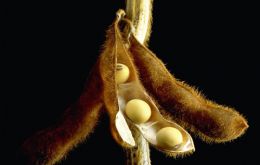
The American Soybean Association, the National Oilseed Processors Association and the North American Export Grain Association sent comments last week to the U.S. Trade Representative identifying significant barriers to U.S. exports, particularly on the trade distorting impact of Argentine Differential Export Taxes, or DETs, and the artificial advantage provided to soybean products exported from that country.
-
Thursday, November 6th 2014 - 07:22 UTC
Argentina and hedge fund NML Capital ratify their commitment to keep fighting

Argentine Central bank chief Alejandro Vanoli, said the country will be not getting down on its knees in a negotiation with 'vulture funds' (hedge funds), once the January first date comes and the controversial RUFO clause, (preventing Argentina from voluntarily offering holdout creditors better terms than those of its 2005 and 2010 restructurings), falls.
-
Thursday, November 6th 2014 - 06:45 UTC
Cristina Fernandez 'stable' in hospital but will miss G20 summit in Australia November 15/16
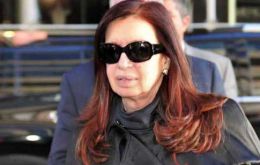
Argentine President Cristina Fernández has completed her third day in the Otamendi hospital after falling ill with a bacterial infection, according to the report released by the presidential Medical Unit.
-
Thursday, November 6th 2014 - 06:28 UTC
Cannabis debate in US rages with legalization claiming more states
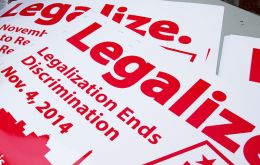
Residents of Oregon, Alaska, and the US capital Washington voted on Tuesday to legalize marijuana in key victories that could fuel the legalization movement as cannabis usage is increasingly recognized by the American mainstream.
-
Thursday, November 6th 2014 - 06:17 UTC
Most powerful Republican intends to employ a “trust and verify” with Obama
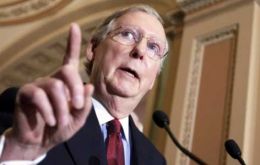
Kentucky Senator Mitch McConnell said on Wednesday he intends to employ a “trust but verify” relationship with President Barack Obama when he takes the helm as the new Senate majority leader, saying voters sent a clear message that both parties must govern.
-
Wednesday, November 5th 2014 - 22:43 UTC
Uruguay, “a role model for the region and the world” in tobacco policies
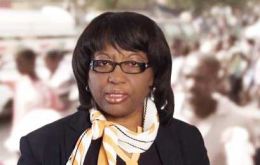
The Pan American Health Organization/World Health Organization (PAHO/WHO) is supporting the Government of Uruguay as it defends its tobacco control policies against claims brought by the Philip Morris tobacco company.